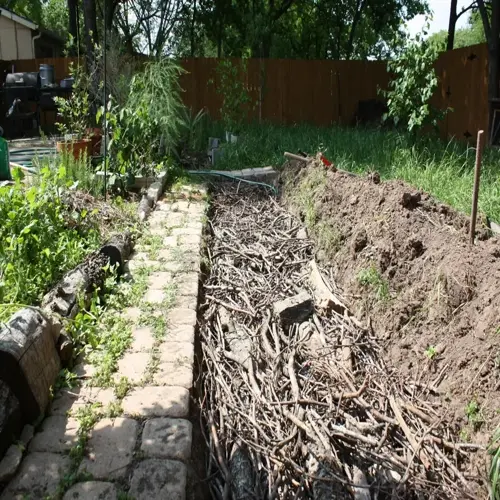

No, the cardboard suffocate soil fear does not hold up, even though it sounds sensible at first. The research does not back it up. Plain corrugated cardboard lets enough air through that the soil below your bed stays alive and well. I pulled up a corner of the soaked cardboard in my fence-line bed a few months after laying it. I half expected dead, gray, airless dirt under there.
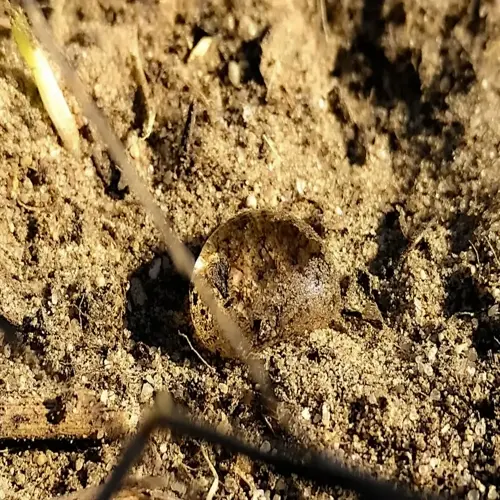
Instead the soil was dark and crumbly and threaded with earthworms. They were right up against the wet board, fat and busy, pulling bits of it down into their tunnels. Worms do not gather in soil that has run out of air. The whole top layer was looser than the bare ground a foot away from the bed.
There is real science behind what I saw in that bed. A 2019 study by Shahzad and colleagues in the journal Soil and Tillage Research put this exact question to the test. The team measured soil gas exchange under different mulch materials. They tracked how oxygen and carbon dioxide moved through the ground under each cover. The goal was simple. They wanted to know which covers starve the soil of air and which ones only seem like they would.
Cardboard and wood-chip mulches did slow gas diffusion a little. But the slowdown was small. It was not enough to change the soil air much at all. The soil oxygen and carbon dioxide stayed close to the levels in bare, uncovered ground. The dirt under the cardboard kept breathing at close to a normal rate. The cardboard mulch oxygen levels stayed high enough that your roots and the worms never feel a real shortage of air.
One material did fail the test, and you should know which one. Polyethylene plastic film caused a real change in the soil. It dropped soil oxygen to about 16%, well below the roughly 21% in open air. Plastic forms a tight seal that traps gases in and keeps fresh air out. That is the cover that can truly choke the ground. Cardboard is nothing like it.
It helps to keep the limits of this work in mind before you bank on it. The Shahzad study was a controlled lab and mesocosm test. It was not a long-term field trial across many seasons in real garden beds. Mesocosms are sealed test containers that let researchers measure gases with care. So the numbers are a strong signal for you, but they are not the final word on every yard. Even so, the gap between cardboard and plastic was wide and clear in the data.
Here is what to do with all of this. Use plain corrugated cardboard in your lasagna bed with confidence. Pull off any plastic tape and heavy glossy labels first, since those are the parts that hold up worst. Soak the cardboard well before you lay it so it goes limp and conforms to the ground. A wet sheet hugs the dirt, breaks down faster, and lets worms reach it from the start.
The one cover you should skip is plastic sheeting. Black plastic and landscape film are the materials that actually restrict soil air, and they do real harm over a season. So let go of the idea that cardboard suffocate soil worries should stop you. Stick with cardboard, soak it, and stack your leaves and clippings on top. The worms will do the rest for you, and the soil under that board will stay every bit as alive as the ground around your bed.
Read the full article: Lasagna Gardening: No-Dig Beds Made Easy