
Introduction
You pull the last of your crops and the bed sits bare for weeks or even months. That empty soil bakes in the sun, washes away in the rain, and slowly loses the life that made it good. Green manure fixes that for free. It is a crop you grow on purpose as a living blanket. Then you turn it back into the ground to feed the soil, rather than buy a bag of fertilizer at the store.
The idea is old. The Greeks were turning crops into their soil around 300 B.C. The Native American Three Sisters planting paired beans with corn to keep the land fed. Then cheap chemical fertilizer arrived in the 1950s and pushed the practice aside. Why grow a crop to feed your soil when you could pour it from a sack? Farmers and gardeners have since come back to it as a cover crop for one plain reason. It builds the soil and stops it from blowing or washing away.
Here is the gap this guide fills. Most green manure articles tell you the benefits but never put a number on them, so you take the claims on faith. This one pairs the simple how-to with peer-reviewed figures on nitrogen and yield. You will see how legumes pull free nitrogen fixation from the air. You will see how grasses lock up runaway nutrients. And you will learn what each crop gives back to your soil fertility and long-term soil health.
So you get both halves in one place. The hands-on steps for sowing and digging in, and the hard data that tells you whether the work pays off. Let us start with what green manure really is.
What Green Manure Actually Is
The simplest green manure meaning is a crop you grow on purpose and then feed straight back to your soil. You never harvest it for the kitchen. You sow it, let it grow leafy and green, then dig it in to make the ground richer.
Here is the part that trips people up. A cover crop is the living plant while it sits in your bed. It becomes green manure the moment you cut it down and work it into the ground while it is still green. Same plant, two stages, one job.
You grow it to build soil organic matter and add nitrogen, not to grow food. Think of it as a crop grown to be eaten by the soil itself, not by you. That is why fast leafy growth matters more than fruit or grain. The greener the top growth, the more food your microbes get when it breaks down.
The two terms describe one plant at two stages. While it is growing it is a cover crop, and once you dig it into the soil it becomes green manure.
Three crop families do this work, and each one does a different job. Legumes like clover and vetch pull nitrogen out of the air and add it to your soil, then release it as they rot. Grasses and cereals like rye hold the ground and mop up leftover nutrients. Brassicas like mustard punch through hard soil with deep roots. Pick the family that fits the gap you need to fill.
None of this is new. The Native American Three Sisters of corn, beans, and squash used the same idea long ago. The beans fed nitrogen to the soil for the corn. Once you cut your crop and it is tilled into the soil, the soil takes over the rest.
Benefits Backed By Research
Most guides promise the same four green manure benefits and then leave you to take them on faith. The research puts real numbers behind each one, so you know what you actually gain before you sow a single seed.
Start with nitrogen fixation. Legumes like clover, vetch, and peas pull 110 to 227 kg of nitrogen per hectare from the air. That figure comes from a 2024 review in Frontiers in Plant Science. Grasses don't add new nitrogen, but they grab the leftover and stop it from washing out.
Erosion control and leaching tell a clear story too. The same review found that non-legume cover crops cut nitrate leaching by about 70%. Legumes manage only 23%. Living roots hold your topsoil in place. They keep nutrients in the root zone where your next crop can use them.
The yield gains are the part people doubt most, and they hold up. Field trials in Bioscience Methods raised yields 12 to 22% over untreated plots. The effect was strongest at 2,000 to 4,000 kg per hectare of dry biomass. The Frontiers review backs this up. Green manure lifted maize yield by 9.9% even with 30% less chemical nitrogen.
I had a back bed packed with heavy clay. Two crops of crimson clover and field peas turned it crumbly and dark, soft enough to dig with one hand. For three seasons before that it drained like a parking lot. Water pooled on top after every rain, and the soil baked into hard plates by July. The roots had punched channels through the pan. The rotted tops left enough soil organic matter to hold air and water at last.
Adds Or Captures Nitrogen
- Legumes fix nitrogen: Clover, vetch, and peas pull 110 to 227 kg of nitrogen per hectare from the air through root bacteria, per Frontiers in Plant Science.
- Grasses scavenge nitrogen: Rye and oats capture leftover soil nitrogen that would otherwise wash away, recycling it for the next crop.
- Cuts fertilizer need: Fixed nitrogen can meet 50 to 80% of a plant's nitrogen needs, lowering the chemical fertilizer you have to buy.
Builds Organic Matter And Structure
- Feeds soil life: Decaying roots and leaves feed earthworms, bacteria, and fungi that bind soil into a crumbly, workable structure.
- Improves drainage: Deep roots open channels in heavy clay, letting water and air move through ground that used to sit wet and compacted.
- Holds moisture: The added organic matter acts like a sponge, helping sandy beds hold water through dry spells.
Suppresses Weeds Naturally
- Shades out weeds: A dense stand of green manure blocks light from weed seeds, leaving little room for them to sprout.
- Allelopathic effect: Annual rye releases natural compounds that suppress germinating weeds, a benefit noted by Colorado State Extension.
- Covers bare ground: Filling empty beds with a chosen crop stops opportunistic weeds from claiming the open space first.
Prevents Erosion And Leaching
- Holds soil in place: Living roots anchor topsoil against wind and heavy rain, the main reason cover crops resurged per the USDA.
- Slows nutrient loss: Non-legume crops cut nitrate leaching by about 70%, keeping nutrients in the root zone, per Frontiers in Plant Science.
- Protects winter beds: A green blanket over winter shields bare soil that would otherwise crust, erode, and lose nutrients.
Better soil structure does double duty here. A dense stand also gives you free weed suppression, since it shades out seeds before they sprout. The USDA reports the same gains in the field. Growers who use cover crops see richer soil, more water on hand, and crops that ride out weather swings.
The resurgence of cover crops is due to producers discovering the need for diversity in crop rotations, an additional carbon source to feed microbes to improve their soil, and to reduce erosion.
Best Green Manure Crops
Pick your green manure by the job you need done, not by some alphabet list. Some crops pull nitrogen from the air, some hold bare soil through winter, and some just fill a gap fast before your next planting goes in.
I scattered buckwheat across an empty bed in mid-July, raked it in, and watered it once. Within three weeks it stood knee-high and broke into white flower, and the patch hummed with bees from morning on. I knocked it all down with a hoe before a single seed set, then dug the soft green stems straight into the soil.
If you want to add real nitrogen, you need a legume. Crimson clover banks about 2.6 pounds of nitrogen per 1,000 square feet before you dig it in. Hairy vetch pushes that to 3.2 pounds, per Colorado State Extension. Both overwinter well. But terminate the vetch before it flowers, since the same source warns it turns weedy once it sets seed. For a quicker legume, field peas grow fast in the cool months and often pair with oats for support.
For holding soil rather than feeding it, winter rye is the toughest cover you can grow. It does not fix nitrogen, but it scavenges what is left in the ground and shields bare beds from erosion through the coldest weeks. To break up packed ground, tillage radish drives deep roots that crack the soil open, and mustard adds fast leafy cover on top.
One quiet bonus sits with the brassicas. The USDA notes that mustard acts as a natural fumigant against some weeds and soil diseases as it breaks down. The list below sorts the best green manure crops by the work they do, so you can match a crop to the problem in front of you.

Crimson Clover (nitrogen fixer)
- Family: A legume that fixes nitrogen from the air, accruing about 2.6 pounds of nitrogen per 1,000 square feet before being dug in, per Colorado State Extension.
- Best use: Sow in late summer or early fall for an overwinter cover that feeds the soil and produces showy red flowers if allowed to bloom.
- Soil: Tolerates a wide range of soils and is one of the easier legumes for home gardeners to establish from seed.
- Termination: Dig in or cut just before flowering to capture the most nitrogen and prevent self-seeding.
- Bonus: Its flowers draw pollinators if you let a patch bloom before turning it in.
- Note: Inoculate the seed with the correct bacterium the first time you grow it if that bacterium is not already in your soil.
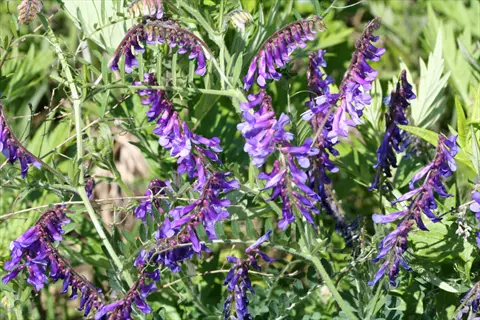
Hairy Vetch (heavy nitrogen)
- Family: A legume that accrues about 3.2 pounds of nitrogen per 1,000 square feet, one of the strongest nitrogen builders for gardens, per Colorado State Extension.
- Best use: A hardy overwinter crop that releases nearly all its nitrogen about 30 days after termination, per Frontiers in Plant Science.
- Soil: Handles poorer soils and cold winters well, making it a reliable choice in colder regions.
- Termination: Terminate before flowering, since Colorado State warns it can become weedy if allowed to set seed.
- Pairing: Often grown with winter rye, which gives the climbing vetch support and adds carbon to the mix.
- Note: Best for beds you can clear well in advance, as the dense growth needs time to break down.
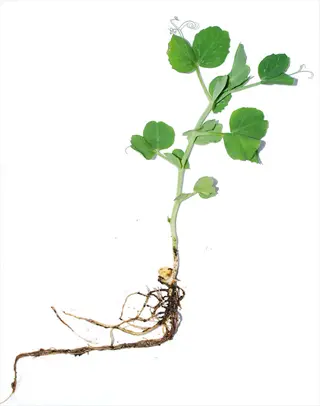
Field Peas (quick nitrogen)
- Family: A legume that fixes roughly 2.0 to 3.4 pounds of nitrogen per 100 square feet depending on bacteria activity, per Colorado State Extension.
- Best use: A fast-growing pea-family crop good for spring or fall, often paired with oats for support.
- Soil: Prefers cooler conditions and grows quickly in the mild parts of the year.
- Termination: Cut or dig in when it begins to flower for the best nitrogen return.
- Seeding: Wisconsin Extension suggests about 5 pounds of field peas per 100 square feet for a home garden stand.
- Note: Inoculate the seed the first time if pea-family crops have not grown in that bed before.

Winter Rye (soil holder)
- Family: A cereal grass that does not fix nitrogen but scavenges leftover soil nitrogen and accrues about 2.0 pounds per 1,000 square feet, per Colorado State Extension.
- Best use: The toughest overwinter cover for holding bare soil and protecting it from erosion through winter.
- Soil: Grows in poor soil and cold weather where legumes struggle to establish.
- Termination: Kill at about 6 inches (15 centimeters) tall, since taller rye can lock up nitrogen, per University of Missouri IPM.
- Bonus: Releases allelopathic compounds that suppress germinating weeds, per Colorado State Extension.
- Note: Give rye extra time to break down, as its tough growth decomposes more slowly than tender legumes.
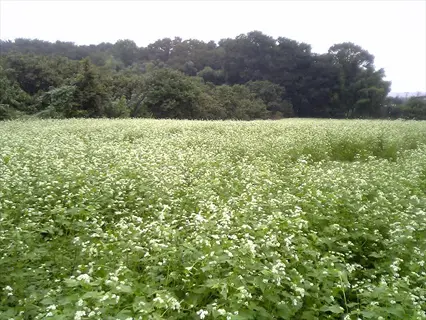
Buckwheat (fast gap filler)
- Family: A broadleaf crop that grows extremely fast and is ideal for filling short summer gaps between crops.
- Best use: Smothers weeds quickly and can be turned in within weeks, making it a flexible warm-season choice.
- Soil: Tolerates poor soil and brings up nutrients, acting as a dynamic accumulator.
- Termination: Cut before it sets seed, as Colorado State warns it can become weedy otherwise.
- Seeding: Wisconsin Extension suggests about 2 pounds of buckwheat per 100 square feet for a quick stand.
- Bonus: Flowers fast and feeds pollinators if you let a patch bloom before knocking it down.
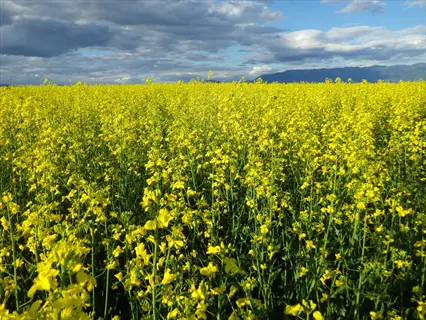
Mustard And Radish (structure and fumigant)
- Family: Brassica crops that do not fix nitrogen but break up soil and add biomass quickly.
- Best use: Tillage radish drives deep roots that loosen compacted ground, while mustard adds fast leafy cover.
- Soil: Both grow quickly in cool conditions and are useful before spring planting.
- Termination: Cut or dig in before flowering and seed set to avoid volunteers in the next crop.
- Bonus: Mustard acts as a natural fumigant against some weeds and soil diseases, per the USDA.
- Note: Avoid following brassica vegetables with brassica green manure to prevent shared disease problems.
Legumes Vs Non-Legume Crops
Most guides toss every green manure into one pile, but these crops do two different jobs. Legumes pull fresh nitrogen out of the air and add it to your soil. Grasses and brassicas do not make new nitrogen at all. They grab the nitrogen already sitting in the ground and hold onto it so rain cannot wash it away.
Think of it like this. A legume is a small factory making new nitrogen from thin air. A grass is a net that catches nitrogen already in the soil before it leaks out. Both help your garden, but you pick one based on the job you need done.
The numbers back this up. Nitrogen fixing legumes add 110 to 227 kg of nitrogen per hectare. The legume and rhizobia team drives 65 to 70% of all the biological nitrogen fixing on Earth. Non-legumes win on a different front. They cut nitrate leaching by about 70%, while legumes manage only 23%. So legumes feed the soil, and grasses guard it.
- Fix 110 to 227 kg of nitrogen per hectare from the air through root bacteria.
- Examples include clover, vetch, field peas, and beans.
- Best when the goal is to add fertility for a hungry following crop.
- Cut nitrate leaching by about 23%, a smaller drop than non-legumes.
- Seed often needs inoculating with Rhizobium the first time it is grown.
- Do not fix nitrogen but scavenge leftover soil nitrogen so it is not lost.
- Examples include winter rye, oats, mustard, and tillage radish.
- Best when the goal is to hold soil, suppress weeds, and stop leaching.
- Cut nitrate leaching by about 70%, the strongest reduction.
- No inoculant needed, and grasses like rye add weed-suppressing compounds.
Here is the part many gardeners miss. Only pea-family crops fix nitrogen. They do it with Rhizobium bacteria that live inside root nodules. Those little bumps on the roots are where the work happens. Grow a pea-family crop in a bed for the first time and the seed may need help. You coat it with the bacterium, since your soil may not have it yet.
When you do plant a legume, the payoff carries into your next crop. In legume-grass rotations, 34% of the following cereal's nitrogen came straight from the legume that grew before it. The grasses still earn their keep through nitrogen scavenging. They mop up loose nitrogen so it never reaches your water. Match the crop to your goal and you get the result you want.
Pea family green manures are unique in that they increase soil nitrogen levels due to bacteria (Rhizobium spp.) in their roots that convert (i.e., fix) nitrogen gas from the air into a form of nitrogen that can be used by plants.
How To Sow And Dig In
Learning how to sow green manure takes about five minutes of real work and a bag of cheap seed. You clear the ground, scatter the seed, let it grow, cut it down, and dig it in. Each step has a timing rule that decides how much your soil actually gains.
The seeding rate matters more than people think when you spread the seed by hand. Wisconsin Extension gives clear home-garden amounts: 4 pounds of winter rye, 5 pounds of field peas, or 2 pounds of buckwheat per 100 square feet. Too little leaves bare gaps for weeds, and too much wastes good seed.
Remove weeds and rake the surface level so seed makes good contact with bare, crumbly soil.
Scatter seed evenly at the rate for your crop, such as 4 pounds of winter rye or 2 pounds of buckwheat per 100 square feet, then rake it in lightly.
Allow the crop to grow and cover the ground, watering if needed until it forms a dense, leafy stand.
Cut legumes as they begin to bloom and grasses like rye at about 6 inches (15 centimeters) tall, before growth turns woody.
Chop the growth and dig or hoe it into the top few inches of soil, or leave it on the surface as a no-dig mulch.
Wait about two to three weeks for it to break down before planting your next crop, longer in fall for tougher growth.
Tough, overgrown crops have a high carbon ratio and can briefly steal nitrogen from the soil as they rot. Kill rye at about 6 inches (15 centimeters) tall to avoid this, per University of Missouri IPM.
How you terminate cover crop growth sets up everything that comes next. Cut grasses early and cut legumes at first bloom. The University of Missouri IPM rule is plain. Kill rye at about 6 inches (15 centimeters) tall, and kill legumes as they start to flower. That timing hands you the most nitrogen for the next crop.
Digging in green manure is like burying a salad for the soil microbes that live under your feet. Chop the growth small and mix it into the top few inches, and the bugs break it down fast and even. Leave it whole and it rots in slow patches that feed nothing well.
Knowing when to dig in green manure comes down to one number: the wait before you plant. Colorado State says till under at least two weeks ahead in spring or a full month ahead for fall-planted crops. Wisconsin Extension allows about two to three weeks for the crop to break down before your seeds go in.
You can skip the spade with a no dig method and let the cut crop sit on top as mulch. The worms pull it down for you over a few weeks, and your soil structure stays whole. This works best with softer legumes, since tough rye stems take longer to vanish on the surface.
Timing And Seasons
One fall I left a vegetable bed bare after the last harvest. Heavy rains hit it through December. The surface crusted hard. Then the water cut shallow ruts down the slope and washed my best topsoil into the path. The next winter I sowed that bed with crimson clover and a bit of winter rye. Come March the soil sat soft and whole under a green mat. No ruts. No crust.
Knowing when to plant green manure matters as much as knowing which crop to use. The year splits into three simple jobs: when to sow, when to overwinter, and when to dig in. Get the timing right and each crop does its work before your next vegetable goes in the ground.
Two kinds of crops behave in two ways over the cold months. Tender crops like buckwheat and field peas winter-kill on the first hard frost, then collapse into a loose mulch that shields the soil on their own. Hardy crops like winter rye and hairy vetch survive the cold. They keep growing into spring, so you must cut them down yourself before they flower.
Spring
Sow fast crops like field peas or buckwheat in gaps between plantings, and dig in last fall's overwintered crop at least two weeks before planting.
Summer
Fill short empty spells with quick buckwheat, which can grow, flower, and be cut back within a few weeks before it sets seed.
Early Fall
Sow overwintering crops such as crimson clover, hairy vetch, or winter rye to cover beds before the cold sets in.
Winter
Let hardy crops protect bare soil from erosion and crusting, while tender crops winter-kill and form a natural mulch.
Late Winter To Spring
Terminate overwintered crops before flowering, then wait two to three weeks for nitrogen release to match your next crop's demand.
The wait after you cut a hardy crop is not dead time. With hairy vetch, nearly all the crop's nitrogen releases about 30 days after you cut it down. That timing lines up with the peak nitrogen need of an 8-week-old maize crop. So you cut to feed the next plant when it is hungriest. Cut too early and the nitrogen can wash away first.
This same logic shapes your spring planting plans. Fall planting of an overwinter green manure works well in a crop rotation. You dig it in two to three weeks before you sow. That way the cover does its job and still leaves you full growing time. New gear even lets farmers plant the cover during the main season, so it takes off the moment the cash crop comes out. A bare winter bed is a missed chance, and one ruined slope was all it took to show me that.
5 Common Myths
All green manures add nitrogen to the soil, so any cover crop you grow will boost fertility the same way.
Only legumes fix nitrogen from the air through root bacteria. Grasses and brassicas instead capture and recycle nitrogen already present in the soil.
Green manure is the same thing as animal manure, just a greener and tidier version of the same material.
Green manure is a living plant crop grown and dug into the soil. Animal manure is decomposed waste from livestock and works in a different way.
You can let green manure grow as large and tall as you like, because more leafy growth always means more soil benefit.
Overgrown, woody crops have a high carbon ratio and can temporarily lock up nitrogen. Most crops should be cut or dug in just before they flower.
After digging green manure into the soil, you can plant your next crop right away without any waiting period at all.
Decomposing material consumes soil oxygen and nitrogen at first. Wait about two to three weeks after digging in before planting your next crop.
Green manure is only useful on large farm fields and offers nothing to home gardeners with small raised beds.
Home gardeners use green manure in beds and containers to add nitrogen, suppress weeds, protect bare winter soil, and improve structure on any scale.
Conclusion
You now know what green manure really is. It's a cover crop you grow and then dig back into the ground while it's still green. We went over the research-backed payoffs and the best crops for each job. We also covered the big split: legumes add nitrogen, while grasses and brassicas just scavenge it. The sow-to-dig-in routine ties it together, so an empty bed never has to sit bare.
The numbers make the case better than any sales pitch. Legume crops fix 110 to 227 kg of nitrogen per hectare straight from the air. And green manure can lift yields by 12 to 22% over untreated plots. That makes it one of the cheapest ways to build soil and raise soil fertility. You grow your own fertilizer instead of buying it by the bag.
Three rules carry most of the weight. Match the crop to the goal, whether you need a nitrogen boost, weed control, or busted-up compaction. Cut it before it flowers so the plant feeds your soil instead of setting seed. Then wait 2 to 3 weeks before you plant again, which gives the material time to break down and hand its nutrients to the next crop.
This practice is both ancient and freshly useful as more of us look to cut chemical inputs and lean on living soil. A fallow season or a tired bed isn't wasted ground anymore. It's a chance to invest in next year's harvest, one root and one leaf at a time, and watch your dirt get richer every round.
Glossary
- Allelopathic
- Describing a plant, such as rye, that releases natural compounds which suppress nearby weed seeds from sprouting.
- Carbon to nitrogen ratio
- The balance of carbon to nitrogen in plant material, which controls how fast it breaks down and releases nutrients.
- Cover crop
- A plant grown to cover and protect bare soil, which becomes a green manure once it is dug into the ground.
- Green manure
- A fast-growing cover crop that is grown and then dug into the soil while still green to feed and improve it.
- Nitrogen fixation
- The process where bacteria in legume roots turn nitrogen gas from the air into a form plants can use.
- Nitrogen immobilization
- A temporary lockup of soil nitrogen when microbes use it to break down tough, high-carbon plant material.
- Nitrogen scavenging
- When grasses and brassicas take up leftover soil nitrogen so it is not lost to leaching, then release it later.
- Rhizobium
- Soil bacteria that live in legume root nodules and fix nitrogen from the air for the plant.
External Sources
Frequently Asked Questions
Why is green manure not commonly used?
Cheap chemical fertilizer that arrived in the 1950s, the need to give up a growing season, and the labor of digging crops in all reduce how often gardeners use green manure.
When should I plant green manure?
Sow green manure in late summer or early fall for overwinter cover, or in spring and summer to fill gaps between crops, always digging in before it flowers.
Is green manure better than compost?
Neither is simply better. Green manure grows in place, adds nitrogen and living roots, and protects bare soil, while compost adds stable, finished organic matter you bring in.
What is another name for green manure?
Green manure is closely tied to the term cover crop. A cover crop becomes a green manure once it is dug into the soil. It is also called a soil-building crop.
Which plants should not get animal manure?
Fresh animal manure can harm root vegetables, young seedlings, and tender salad crops, which is one reason gardeners turn to green manure to build soil more gently.
Does green manure improve soil?
Yes. Green manure adds organic matter, fixes or scavenges nitrogen, improves soil structure, feeds soil life, and reduces erosion and nutrient leaching.
Can you use too much green manure?
Yes. Letting a crop grow too large and woody, or digging in too much at once, can temporarily tie up soil nitrogen and slow down your next planting.
What are the drawbacks of green manure?
Green manure ties up a growing season, takes labor to dig in, can self-seed if left too long, and can lock up nitrogen if killed too late or grown too large.
Can you put green manure on top of the soil?
Yes. You can cut green manure and leave it on the surface as a no-dig mulch, but digging or hoeing it in usually breaks it down and releases nutrients faster.
When should you not use green manure?
Avoid green manure when you need to plant a bed immediately, when frost will not let it establish, or when you cannot wait the two to three weeks after digging in.