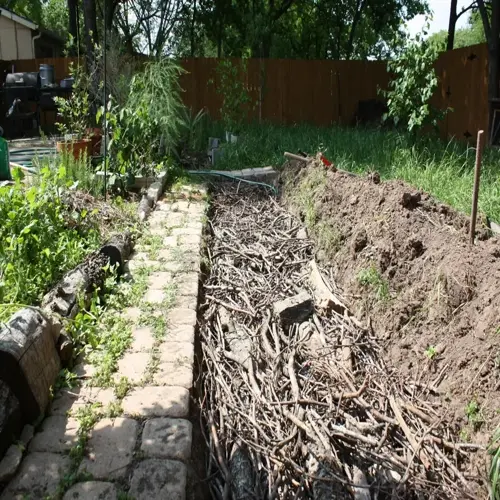

The first of the lasagna gardening disadvantages is the wait. A bed you build today may not be ready to plant for six months to a year. The method also eats up a huge pile of materials. And because it runs as a cold compost, it will not kill weed seeds or plant disease. Those three problems cause most of the headaches new gardeners hit. So it pays to know them before you stack your first layer.
The wait comes down to how the layers break down. Lasagna beds rot slowly at low temperatures, so the brown and green layers need months to turn into soft, plantable soil. Build one in spring and you often miss the whole growing season while you stand there waiting for the pile to settle.
The volume of material is the next hurdle, and it surprises people. A bed needs a deep stack of browns and greens to build up enough mass to compost well. You are looking at layers of cardboard, dead leaves, grass clippings, straw, and kitchen scraps, piled high. On a small property that much organic matter can be a real struggle to gather, a point LawnStarter flags for tight city lots.
Then there is the cold composting limitation. A hot compost pile climbs past 130°F (54°C) and cooks weed seeds and pathogens to death. A lasagna bed never gets that hot. So any weed seed or diseased plant you bury stays alive and waits. Drop in soil from a sick tomato patch and you can carry that trouble straight into the new bed.
Slow Decomposition
- Wait time: Layers can take six months to a year to break down into plantable soil.
- Season risk: A spring build often costs you the current growing season while the pile settles.
- Best fix: Start the bed in fall so winter does the rotting for you.
Material Volume
- Bulk needed: A single bed swallows piles of cardboard, leaves, straw, and scraps.
- Small lots: Gathering enough browns and greens is hard on a tight city property.
- Best fix: Collect free bagged leaves and cardboard boxes through fall to build a stockpile.
Pests And Live Seeds
- Slugs and snails: Damp layers draw them in, a caution Cornell raises for moist beds.
- Weed seeds: Cold composting never gets hot enough to kill them, so they sprout later.
- Best fix: Skip seedy weeds and diseased plants when you choose your green layers.
Pests are the drawback people forget until it is too late. Those moist, rich layers are a perfect home for slugs and snails, and Cornell warns that damp beds tend to pull them in. A big group of them can chew through young seedlings fast. The same soft soil that is great for roots makes a fine buffet for pests. So check under the leaves before you set out small plants.
None of these problems are dealbreakers once you weigh them against the upside. You still get rich, no-dig soil and far less weeding down the road. The trick is to build for the wait. Start your bed in fall. The cold months then handle the slow rot while you are not planting anyway. That timing turns the biggest weakness into a free head start, and you walk into spring with soil that is already done.
The volume problem shrinks too once you stop buying material. Cost is one of the lasagna gardening disadvantages you can erase for free. Free leaves, used cardboard, and grass clippings give you almost everything a bed needs at no cost. So keep a corner stockpile through autumn. Plan around these lasagna garden drawbacks instead of fighting them. The method then pays you back with some of the easiest soil you will ever grow in.
Read the full article: Lasagna Gardening: No-Dig Beds Made Easy