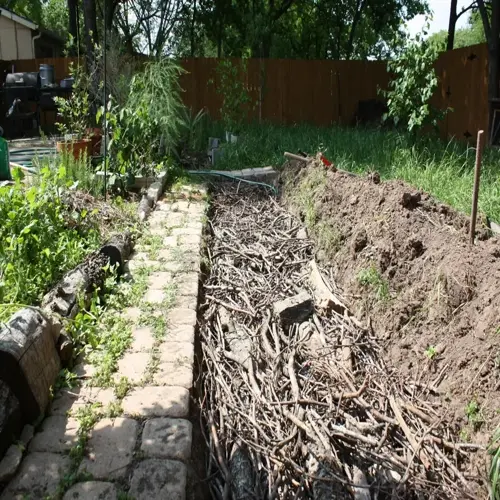

I pulled a thick flush of chickweed and grass out of my fence-line bed last spring, the same weeds I had stacked into the layers the fall before. I had figured the cardboard and leaves on top would smother the seeds for good. They did not. The bed came up greener with weeds than with anything I had planted.
The main lasagna garden materials to avoid are meat and dairy, weed seeds, and diseased plants. You also want to keep out any glossy coated cardboard. Keep those out and the rest of your stack breaks down clean. Most beginner problems trace back to one bad scrap slipping into a layer.
Here is why weed seeds and sick plants matter so much. A lasagna bed is cold composting, so it never heats up the way a turned pile does. Cornell Extension notes the bed rarely climbs past warm to the touch. That heat is what kills seeds and disease, and a layered bed simply never gets there.
So when you bury weedy trimmings, the weed seeds composting slowly underneath stay alive. They wait out the winter and sprout right through your finished bed in spring, which is exactly what got me. The same goes for plants with blight or mildew. The pathogens survive the cold layers and spread to whatever you plant on top.
Diseased debris is the one I would not even risk in small amounts. One tomato plant with early blight can seed a whole bed, and the spores live in the soil for a full season after that. I now burn or bag any plant that looked sick, rather than feed it back into a bed I want to plant in.
Meat, Dairy, Fats, And Bones
- The risk: Clemson Extension warns these attract scavengers like rats, raccoons, and neighborhood dogs that dig your layers apart.
- The smell: Animal products turn rancid as they rot and make the whole bed reek for weeks.
- Better choice: Stick to plant scraps like veggie peels, fruit waste, and coffee grounds for your green layers.
Coated Or Glossy Cardboard
- The problem: Waxed and glossy coated cardboard sheds a thin plastic film that never breaks down in soil.
- Hidden junk: Tape, staples, and shipping labels ride along and leave bits of metal and plastic in your bed.
- Better choice: Use plain brown corrugated cardboard and peel off every strip of tape and each label first.
Weedy Or Diseased Plant Debris
- Seeds survive: A cold bed cannot kill weed seeds, so they sprout in spring as a fresh crop of weeds.
- Disease spreads: Blight, mildew, and rust live through the cold layers and infect your new plants.
- Better choice: Add only seed-free, healthy trimmings and send anything questionable to a hot pile.
Fresh manure is the last one people get wrong. Raw manure is so high in nitrogen it can burn tender roots and carry weed seeds from the animal's feed. Use well-rotted manure that has aged at least six months, or skip it and feed the bed with finished compost instead.
Build your stack from clean parts and you skip almost every headache. Lay down plain corrugated cardboard for the base, then alternate seed-free greens and browns that you know are healthy. Grass clippings, fall leaves, kitchen veggie scraps, and shredded paper all work well. Save the rich, dark layers for material you trust.
When a scrap makes you pause, do not gamble with it in the bed. Toss those weedy roots, seed heads, and sick leaves into a hot compost pile that reaches 131°F to 140°F (55°C to 60°C) instead. That heat finishes off the seeds and pathogens, and you can fold the safe, finished compost back in months later.
Read the full article: Lasagna Gardening: No-Dig Beds Made Easy