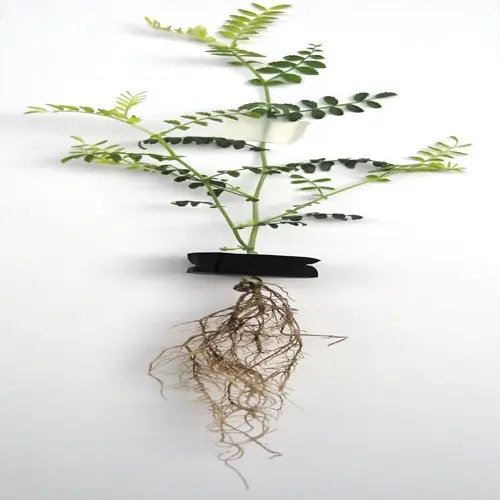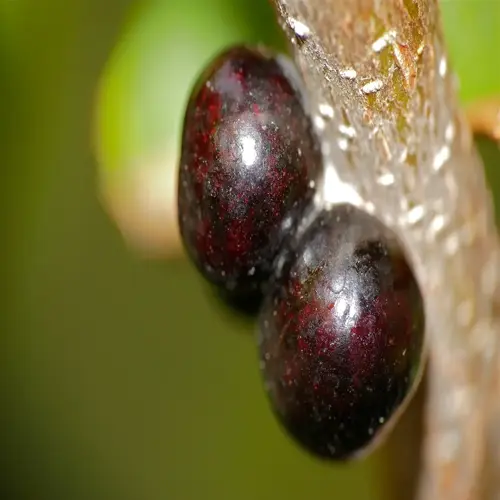

A forgotten packet of three-year-old lettuce seed sprouted on my basement shelf last spring. The little tray of green caught me off guard. I had set those seeds aside as goners months before. A quick paper towel check had told me a different story. Enough of them were still alive. That is the whole point of old seed viability. You do not have to guess, and you should not toss a packet on age alone.
Here is the honest answer. Most seeds stay viable for a few years past their packed date. But the share that sprouts drops every season you keep them. Some types fade faster than others. Onion and parsnip seed go weak in a year or two. Tomato, pepper, and many beans hold on for four years or more. Lettuce, like my surprise packet, often lands in the middle.
A simple seed germination test tells you where your packet stands right now. You wet a paper towel and fold ten seeds inside it. Then you slide the towel into a plastic bag and set it somewhere warm. You count how many sprout within a week. Ten seeds make the math easy. Each sprout equals 10%, so seven sprouts means a 70% rate.
The reason rates fall comes down to stored energy. Each seed holds a tiny food reserve inside it. That reserve fuels the first push of root and shoot before the plant can feed itself. The fuel burns off slowly as the seed ages. An old seed simply has less of it left for the start. The embryo inside also wears down over time and loses some of its vigor. Heat and damp speed both kinds of loss. Cool and dry conditions slow them down. That is why a packet left in a warm window fails years before the same seed kept cold.
Even brand new seed never hits 100%, so do not hold old seed to an unfair bar. Fresh saved seed germinates at only 65 to 80%. About three-quarters of those sprouts go on to make satisfactory plants, per UGA Extension. A packet that throws 7 sprouts out of 10 is doing fine. That is your benchmark for old seed viability too, not perfection.
Good seed storage keeps a packet near that bar for years. Keep your seeds cool and dry. Aim for somewhere near 40°F (4°C), which slows the decline to a crawl. A sealed jar in the back of the fridge works well for this. Add a packet of silica gel if you have one, since dampness is the real enemy. A hot garage or a humid shed is where viability dies fast. Move your packets out of those spots first.
Run the test before you commit a full tray of soil and time. Lay out ten seeds on the damp towel and keep them warm. Count the sprouts after seven days. 5 out of 10 means a rough 50% rate, and that packet is still usable. You just plan around the lower number. Below 3 out of 10 is when I toss the seed and buy a fresh packet.
When a test comes back weak but not dead, over-sow to make up the gap. Drop two or three old seeds in each spot instead of one. Then thin down to the strongest seedling once they are all up. This one trick saves packets that would look like duds at full strength. It works best with cheap, fast crops like lettuce, radish, and beans, where a few extra seeds cost you nothing. So test first, sow heavy, and most of your old seeds will still earn a place in the garden.
Read the full article: Seed Starting: A Complete Beginner Guide