Vegetable · Amaryllidaceae
Leek
Allium ampeloprasum
Plant them deep, feed them hard, and hill the soil up, and a leek hands you a long sweet shank that stands through the cold.
Full sun
Every 3–7 days
120–150 days
USDA 5–10
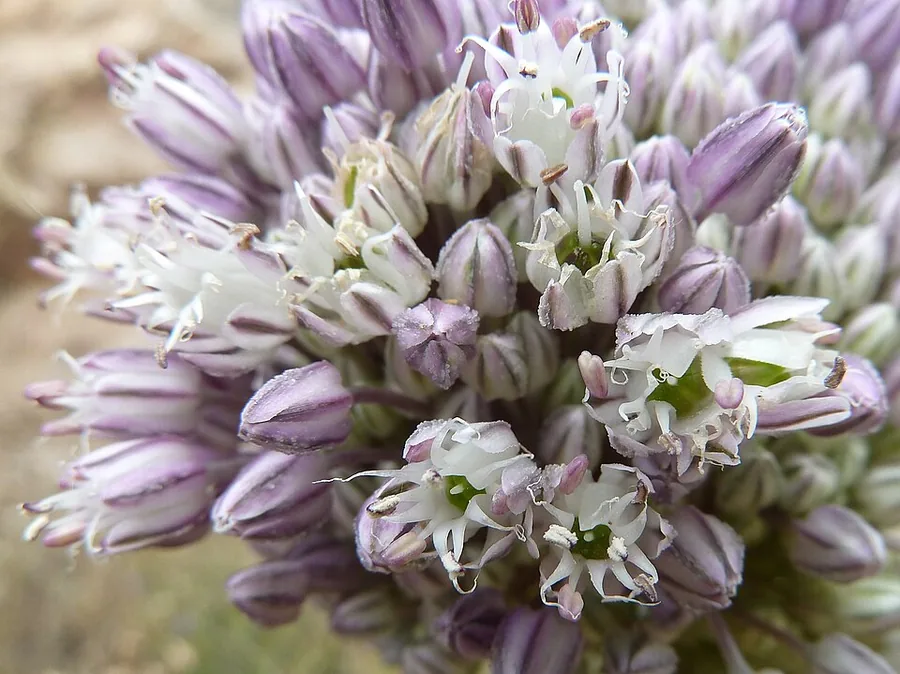
Overview
The leek runs with the onion family but skips the bulb entirely. What you harvest is the shank, a long cylinder of tightly wrapped leaf bases that blanches white when you plant deep and pile soil up the stem as it climbs. The flavor lands milder and sweeter than an onion, and it keeps that gentleness straight through the pan.
This crop rewards a patient grower, and the wait pays off big. Leeks need 120 to 150 days to mature, so most gardeners fire up the seed indoors in late winter and set out pencil-thick seedlings around the last frost. What comes back is a vegetable that parks happily in the ground for weeks and, with a hardy variety tucked under mulch, stands strong right through winter.
Feed a leek deep, rich soil, steady water, and plenty to eat, and it powers up slow and strong. Crowd it, starve it, or let the bed bake dry, though, and you land thin, tough shanks instead of the fat white stems you were chasing.
Care
The short version: full sun, deep and fertile soil, and steady moisture all season. Drop the seedlings in deep, hill soil up the shank to blanch it white, and feed on the regular, because leeks are hungry plants.
Light
Leeks crave full sun to size up right, though they'll shrug off a bit of afternoon shade. Starve them of light and the shanks stay thin while the plants sprawl slack.
Water
Keep the bed evenly moist and never let it bake dry, or the shanks turn thin and tough. Deliver about 1 inch (2.5 cm) of water a week for those shallow roots, and lay down mulch to lock that moisture in between waterings.
Soil
Plant into deep, loose, fertile loam charged up with compost or aged manure, which gives the long roots their run and this hungry feeder its fuel. A pH between 6.0 and 7.0 hits the mark.
Temperature
Leeks are tough customers, riding out anything from 14°F to 86°F (-10°C to 30°C), and a touch of frost even sweetens the shank. Heat is the real threat, since hot, dry spells stress the plants and pull in thrips.
Humidity
Everyday outdoor humidity is plenty, so there's no number to sweat. What counts is airflow, because crowded, damp leaves are exactly the launchpad leek rust wants.
Feeding
Leeks are heavy feeders that want fuel all season long. Side-dress with a nitrogen-rich or balanced fertilizer about once a month from spring through late summer while the shanks are bulking.
Pruning
Trim the seedling tops back to about 4 to 5 inches (10 to 13 cm) once or twice before transplanting to build stockier plants. If one starts to bolt, snap the flower stalk out fast, because a bolted shank turns woody.
Repotting
not applicable; grown in open ground (or a deep container) for a single long season and harvested
Size & spacing
Plants shoot up 12 to 35 inches (30 to 90 cm) tall and stay slim, just 4 to 6 inches (10 to 15 cm) across. Give each one room so air rips through and the shanks fatten without crowding.
When to plant
Leeks run on a long clock, so an early jump makes all the difference. Sow indoors in late winter, set the seedlings out around your last frost once they're pencil-thick, then harvest from late summer through fall and, with a hardy variety under mulch, deep into winter.
Northern hemisphere
Southern hemisphere
Typical months for a temperate climate: start earlier in warm zones, later where spring frosts linger.
- Sow: 8-12 weeks before the last spring frost
- Plant: around the last frost date, once seedlings are pencil-thick; set them deep in dibble holes or a trench and hill soil up as they grow to blanch the shank
- Harvest: harvest from late summer through fall and, for hardy cultivars under mulch, into winter; flowers only in the second year if overwintered
Hardiness
USDA hardiness zones: 5–10
Temperature: down to -29°C
Troubleshooting
Most leek trouble turns up on the leaves or in skinny shanks that won't fatten. Catch the signs early and you can usually turn it right around before harvest. Match what you see below, then jump on it while it still helps.
A flower stalk rockets up and the shank hardens
When a leek fires up a hard, round flower stalk in its first year, it has bolted, usually because a long cold snap tricked a big transplant into thinking a whole winter had rolled by. Drought and transplant shock can push it over the line too. The shank only toughens from here, so pull those plants right away and cook them first.
Fix:
- Harvest bolted plants immediately and use them; quality only declines
- Snap out very young stalks and use those plants first
Orange streaks racing along the leaves
Say hello to leek rust, a fungus that pounces in humid weather and wherever the rows get packed. Pull the worst leaves, throw the planting open so air can rush through, and dial back the nitrogen that pumps out the soft growth rust chases. Then play the long game and rotate your alliums on a 3 to 4 year cycle, and the spores lose their winter hideout entirely.
Fix:
- Remove and destroy heavily infected leaves
- Thin or widen spacing to improve airflow
- Avoid overhead watering late in the day
Silver flecks flashing across the leaves
Those silvery scratches announce onion thrips, tiny insects that rasp the leaf surface and multiply fast through hot, dry stretches. Drought only feeds their damage, so keep the bed watered and mulched and the crop shrugs a lot of it off, while a strong blast of water sends the thrips flying. When they really pile in, drive some insecticidal soap into the inner leaf folds where they shelter.
Fix:
- Knock thrips back with strong jets of water
- Keep plants well watered and mulched
- Use insecticidal soap on the inner leaf folds if pressure is heavy
Shanks stalling thin instead of bulking up
Thin, pencil-like shanks almost always shout crowding, a late start, or a bed running low on food. Leeks power through the full 120 to 150 days and feed hard the whole way, so thin the stand, clear the weeds, side-dress with nitrogen, and soak the bed deep and even. Best part, there's zero rush to pull them, since leeks hold for weeks in cool soil and the little ones keep bulking right up while they sit.
Fix:
- Thin to proper spacing and weed thoroughly
- Side-dress with nitrogen and water deeply and evenly
- Leave undersized plants in the ground longer; leeks hold well in cool soil
Toxicity
Leeks are a joy for people and a genuine hazard for animals. Like every allium, they pack organosulfur compounds that destroy red blood cells and drive hemolytic anemia in pets and livestock, raw or cooked alike. Keep growing plants, kitchen trimmings, and compost scraps well away from cats, dogs, horses, and grazing animals, since cats are especially sensitive and the signs can take days to show up.
Toxic to
Cats · Dogs · Horses · Rabbits · Livestock · Birds
Safe for
People
Cats Severe
Cats sit at the top of the risk list, and even a small nibble can spell trouble. Vomiting, drooling, weakness, and pale gums come first, then rapid breathing and red or brown urine as the red blood cells break down into Heinz-body hemolytic anemia.
Dogs Moderate
A dog that chews any part of a leek can land in vomiting, diarrhea, belly pain, and creeping weakness. Push it further with a larger or repeated helping and the same hemolytic anemia takes over, with pale gums, a racing heart, and dark urine.
Horses Moderate
A horse that grazes a real quantity of leek goes dull and weak, with pale or yellow-tinged gums and dark urine as the blood cells give way.
Rabbits Toxic
Leeks and every last allium are strictly off-limits for rabbits. The same organosulfur compounds go straight after their red blood cells, so keep all parts well away from the hutch.
Livestock Toxic
Cattle, sheep, and goats all sit in the danger zone, and the harm can pile up from grazing alliums over time. Weakness, pale gums, and dark urine follow as anemia sets in.
Birds Toxic
Birds, backyard hens included, should never get leek scraps. The toxin hammers their blood cells just as hard as it does in mammals.
People Safe
For people, leeks are a kitchen champion and completely safe to grow, handle, and eat. The only chore is the cleanup, so stash trimmings and compost scraps where pets can't reach them.
Safe for people to grow and handle; keep growing plants, kitchen trimmings, and compost scraps out of reach of pets. Onset of anemia signs in pets can be delayed by several days after ingestion.
Helpline numbers

United States
ASPCA Animal Poison Control: (888) 426-4435 (fee applies)

United Kingdom
Animal PoisonLine: 01202 509000 (fee applies)

Australia
Animal Poisons Helpline: 1300 869 738
Varieties
Leeks break into early types for fall and hardy late types built to stand through winter. These are the ones worth knowing by name.
King Richard
An early leek that pushes long, slender shanks and shines in a fall harvest, though it ranks among the least winter-hardy of the bunch.
American Flag (Broad London)
A beloved open-pollinated heirloom packing thick shanks and enough cold tolerance to stand tall right through to spring.
Bandit
A rock-hardy late leek with dark blue-green leaves, bred to sit in the ground all winter and deliver fresh harvests in the cold.
Lancelot
A crisp, upright mid-season hybrid that throws long white shanks which rinse clean in no time.
Companions
Leeks pair well with crops that swap pest protection and share their need for rich, moist soil, and badly with the legumes that alliums tend to hold back.
Plant near
carrot: Classic pairing: leeks are reputed to deter carrot rust fly while carrots help deter leek moth, and the crops share bed conditions without competing strongly
celery: Similar needs for rich soil and steady moisture make celery a compatible bed partner that uses the space between slow-growing leeks
Keep apart
beans: Alliums are traditionally reported to inhibit the growth of beans and other legumes when interplanted
peas: Like beans, peas are reported to grow poorly alongside Alliums and should be kept in a separate bed
How to propagate
There's one route to a leek, from seed, and the whole trick is starting early enough and planting deep enough to blanch a long white shank.
SeedModerate
Sow indoors 8-12 weeks before the last spring frost; transplant outdoors around the last frost date · Germinates in about 1-2 weeks at 18-24°C (65-75°F); reaches transplant size in 8-12 weeks
Leeks kick off from seed, and getting an early jump is half the fun. Fire up the trays indoors 8 to 12 weeks before your last frost, where the seed springs up in a week or two at 65°F to 75°F (18°C to 24°C) and then climbs steadily toward transplant size. Once they hit pencil thickness, plunge them 6 inches (15 cm) deep into dibble holes or a trench, water them in without firming the soil, and keep pulling soil up the stem all season to blanch a long, sweet white shank.
Myths
Leeks form a bulb like onions and are ready when the tops fall over.
A leek never builds a true bulb, full stop. That white shank you cook is a cylinder of tightly bundled leaf bases, blanched white by deep planting and hilling soil up the stem. Call the harvest by the size of the shank, never by waiting for the tops to flop.
Cooked leeks are safe to share with cats and dogs.
Cooking, drying, or grinding a leek to powder does nothing to knock out the organosulfur compounds in an allium. A cooked leek hits just as hard as a raw one, and cats can crash into Heinz-body hemolytic anemia from surprisingly little.