
Yes, many plants can recover from root rot, but the odds depend on the plant and how early you catch it. A potted houseplant with some firm white roots left often bounces back. A woody tree or shrub usually does not. That honest split is the heart of any plant recovery root rot question, and it decides whether your rescue is worth the effort.
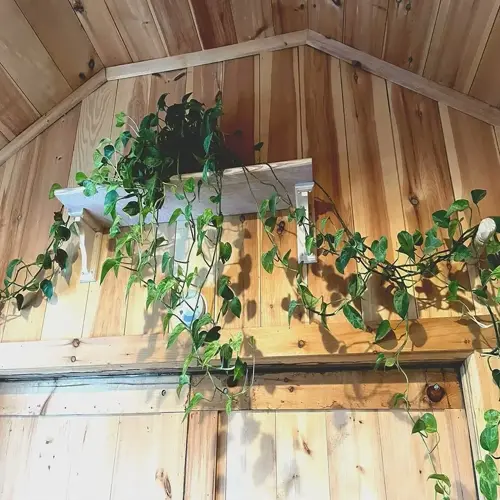
I pulled my yellowing windowsill pothos out of its pot last winter and tipped the soil into my hand. Most of the roots came out black and slimy, the kind that fall apart between your fingers. But near the crown sat a small clump of firm white roots. I grabbed clean scissors and cut every mushy root away, rinsed the rest under the tap, and repotted the plant in dry fresh mix. For three weeks nothing moved at all. The leaves stayed limp and I half expected to toss it. Then one morning a new leaf had pushed out, pale green and tight against the stem.
Those surviving white roots are the whole story. To save a plant from root rot you need living tissue the plant can rebuild from. Healthy roots feel firm and look pale, almost cream colored. Rotted roots turn brown or black, go soft, and often smell sour. The rot itself cannot heal. A brown mushy root is dead, and no amount of care brings it back.
So recovery is really a math problem. The plant has to grow a new root system fast enough to support the leaves it already carries. With half its roots still white, a houseplant has a fair shot. With only a few strands left, it has to drop leaves while it rebuilds, and that race is closer. Once almost every root is gone, there is nothing to grow from, and the plant will not make it no matter what you do.
The plant type matters just as much as the root count. Potted houseplants and tender annuals respond well because you can lift them, see the damage, and start fresh in clean mix. Trees and shrubs are a harder case. Once a tree or shrub gets root rot, there is no cure for it, and the University of Maryland Extension is just as blunt on that point. You can improve drainage around the plant, but you cannot reverse the disease in the wood. That gap is why a $15 pothos is often saveable while a mature shrub is not.
If you decide there is enough healthy root to work with, move fast and keep it simple. Trim away every soft or brown root until only firm white tissue stays. Rinse the roots, throw out the old soggy soil, and repot in dry well-draining mix. Then water far less than before, just enough to keep the mix barely moist, because soggy soil is what started the rot. I keep my rescued pots in a saucer with no standing water and check the soil with a finger before I add any more. Skip fertilizer until you see fresh growth, since weak roots cannot use it.
Set your expectations on the right clock. Real root rot recovery time runs in weeks, not days, and the first new leaf can take a month to appear. A rescued plant looks sad for a while, and that is normal as it spends its energy below the soil. Check the roots gently every couple of weeks and look for fresh white tips, the first real sign of progress. If three or four weeks pass with new wilting and still no white roots when you check, the plant has likely lost the race. Knowing when to stop saves you the disappointment and frees you to start over with a healthier cutting.
Read the full article: Root Rot: Causes, Signs, and How to Fix It