
Introduction
American growers picked 181 million pounds of raspberries in 2024. The crop covered 16,800 acres and sold for $475 million. That haul is up a stunning 27% from the year before. Home gardens fuel much of the rising love for fresh fruit. Once you taste a sun-warmed berry off your own bush, store-bought packs feel sad. Raspberry plants can give you that flavor at home for years on end.
I planted my first row of raspberry canes ten years ago in a tired patch of clay soil behind the shed. The first summer felt slow but by year two I picked buckets of fruit every other morning for weeks. The same crowns still send up fresh canes each spring, and I have shared starts with half the block by now.
Here is the part most guides skip in the first chapter. Raspberry roots are perennial and live for a decade or more in good soil, but each cane only sticks around for two short seasons. Think of the roots as a permanent factory and the canes as workers on a strict two-year shift. First-year canes are called primocanes. Second-year canes are called floricanes. That simple split shapes every choice you make in the patch.
This guide walks you through the full path from soil prep to harvest with summer-bearing raspberries and fall-bearing raspberries both in the mix. You will learn which varieties suit your zone, how to space your bed, when to prune, and how to dodge the pests that hit hardest. By the end you will be ready to plant a row that pays you back in fruit every July and again in October.
10 Best Raspberry Varieties
Picking the right cultivar matters more than any other choice you will make. I learned that the hard way after planting a fancy heat-loving variety in my zone 4 yard during my second year. The canes barely survived one winter, and I tore them all out by April.
Each pick below lists its hardiness zone, flavor, yield, and disease resistance. Pick one that matches your soil, your weather, and how much fruit you can use. These best raspberry varieties cover red raspberries and black raspberries. They also cover purple raspberries and yellow raspberries for any garden style.
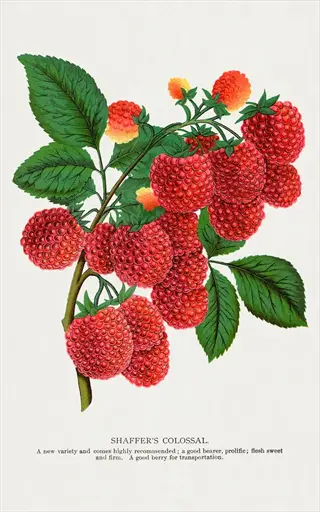
Heritage Red Raspberry
- Type: Fall-bearing red raspberry that also produces a lighter summer crop on second-year floricanes for double harvest seasons.
- Hardiness: Thrives in USDA zones 4 through 8 and tolerates temperatures down to about minus 25 degrees Fahrenheit (minus 32 degrees Celsius).
- Flavor: Classic tangy-sweet raspberry profile with firm fruit averaging around 0.1 ounces (3 grams) per berry, excellent for fresh eating.
- Yield: Produces roughly 1 to 2 pounds (0.45-0.9 kg) per cane per year in well-managed plantings, with peak harvest from late August to frost.
- Disease Resistance: Strong resistance to root rot, anthracnose, and powdery mildew, making it a reliable choice for humid summer regions.
- Best For: Beginners who want a forgiving, widely available variety that produces berries the first year when planted in spring.
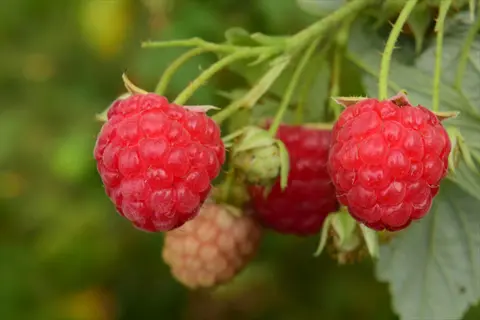
Caroline Red Raspberry
- Type: Primocane-fruiting fall-bearer that delivers exceptionally sweet, aromatic berries on first-year canes for late-season harvests.
- Hardiness: Performs well in USDA zones 4 through 8 and is more heat-tolerant than Heritage, suited to mid-Atlantic and southern gardens.
- Flavor: Large, conical berries weighing around 0.14 ounces (4 grams) with rich, complex flavor that wins taste tests across extension trials.
- Yield: Produces 1.5 to 2.5 pounds (0.7-1.1 kg) per cane annually under good fertility, with harvest from late August through October.
- Disease Resistance: Tolerant of root rot and resistant to most common rust diseases, ideal for clay-heavy or wet soils.
- Best For: Gardeners who prioritize flavor and want a fall-bearer that produces large, easy-to-pick berries on sturdy canes.
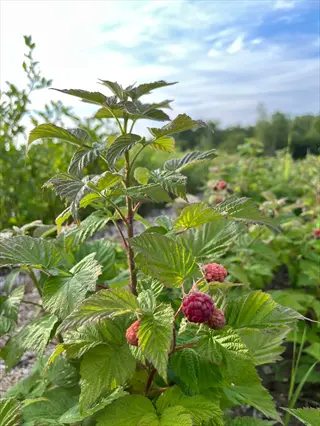
Latham Red Raspberry
- Type: Classic summer-bearing red raspberry developed by the Minnesota Experiment Station, prized for cold hardiness and dependability.
- Hardiness: Extremely cold hardy across USDA zones 3 through 8, surviving winters as low as minus 35 degrees Fahrenheit (minus 37 degrees Celsius).
- Flavor: Medium-sized, round berries with mild, balanced sweetness that holds well in jams, pies, and freezer preserves.
- Yield: Produces around 1 to 1.5 pounds (0.45-0.7 kg) per cane per year, with a concentrated harvest in July lasting about three weeks.
- Disease Resistance: Moderate resistance to mosaic virus and good tolerance for variable soil conditions in northern gardens.
- Best For: Cold-climate growers in zones 3 and 4 who need a proven, hardy summer-bearer with a long track record.
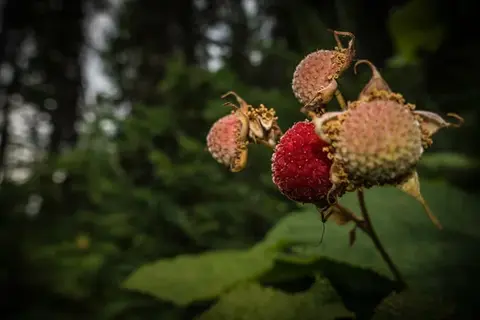
Anne Yellow Raspberry
- Type: Primocane-fruiting yellow raspberry that ripens to a pale golden color on first-year canes for late-summer to fall harvest.
- Hardiness: Performs reliably across USDA zones 4 through 8 with strong cold tolerance and good adaptability to varied climates.
- Flavor: Exceptionally sweet, almost tropical taste with hints of apricot, considered among the most flavorful raspberries available to home gardeners.
- Yield: Produces around 1 to 1.5 pounds (0.45-0.7 kg) per cane annually with a fall harvest window from late August through October.
- Disease Resistance: Resistant to root rot and shows good tolerance to leaf spots, suitable for organic growing systems.
- Best For: Adventurous gardeners and chefs who want a conversation-piece yellow berry with standout dessert-quality flavor.
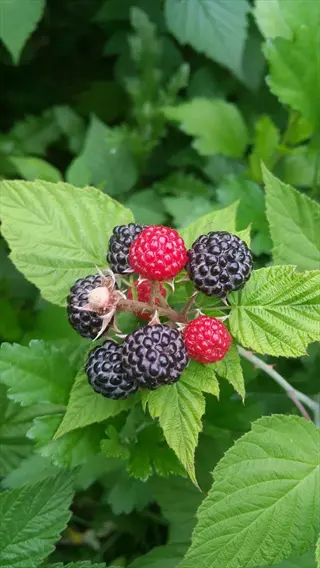
Jewel Black Raspberry
- Type: Summer-bearing black raspberry producing glossy, dark-purple berries on arching canes that benefit from tip-pruning in midsummer.
- Hardiness: Suited to USDA zones 4 through 8 with good winter hardiness and tolerance to typical Midwest growing conditions.
- Flavor: Intense, rich, slightly tart raspberry flavor with high antioxidant content, prized for fresh eating, jams, and baking.
- Yield: Produces around 0.5 to 1 pound (0.23-0.45 kg) per cane per year with a concentrated July harvest lasting two to three weeks.
- Disease Resistance: Strong resistance to anthracnose and powdery mildew, an upgrade over older black raspberry varieties.
- Best For: Growers in zones 4 through 7 who want a dark, antioxidant-packed black raspberry for fresh use and preserves.
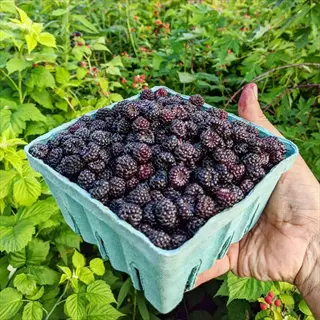
Bristol Black Raspberry
- Type: Summer-bearing black raspberry with vigorous, arching canes that produce a heavy crop of medium-large, glossy black berries.
- Hardiness: Best in USDA zones 5 through 8 with moderate cold hardiness; benefits from winter mulch in zone 4 sites.
- Flavor: Sweet, mildly tart flavor that is more approachable than Jewel, with firm fruit that ships and freezes well.
- Yield: Produces around 0.75 to 1.25 pounds (0.34-0.57 kg) per cane annually with a July harvest under standard care.
- Disease Resistance: Moderate disease resistance; benefits from open spacing of at least 2.5 feet (0.76 m) in-row to prevent fungal issues.
- Best For: Eastern U.S. gardeners who want an attractive, productive black raspberry with sweeter, less acidic fruit.
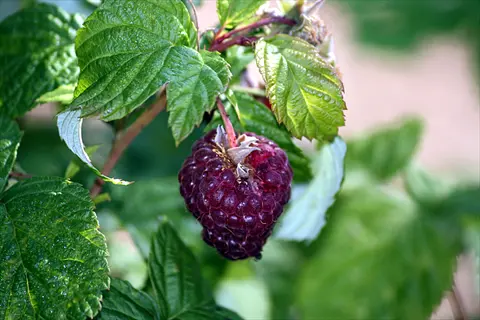
Royalty Purple Raspberry
- Type: Summer-bearing purple raspberry that is a hybrid of red and black raspberries, producing large, reddish-purple berries with unique flavor.
- Hardiness: Reliable in USDA zones 4 through 8 with strong winter hardiness and good adaptability across many climates.
- Flavor: Rich, sweet, distinctive flavor that is less tart than black raspberries with juicy berries weighing up to 0.17 ounces (5 grams).
- Yield: Heavy producer at around 1.5 to 2.5 pounds (0.7-1.1 kg) per cane per year, one of the most productive purple varieties available.
- Disease Resistance: Resistant to several aphid-borne viruses and tolerant of common cane diseases when grown with proper spacing.
- Best For: Adventurous gardeners who want a high-yielding, unique-flavored berry ideal for jams, jellies, and fresh eating.
Joan-J Thornless Raspberry
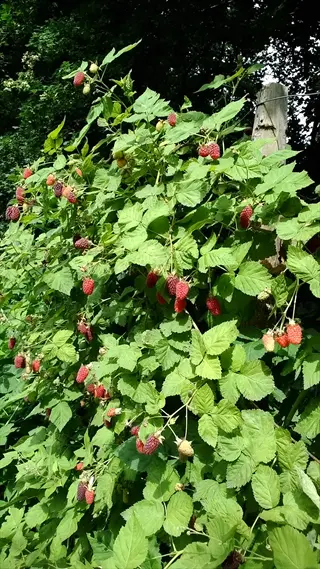
- Type: Primocane-fruiting fall-bearing red raspberry with completely thornless canes, ideal for family gardens and easy harvesting.
- Hardiness: Performs well in USDA zones 4 through 8 with strong heat tolerance, suited to southern and mid-Atlantic growers.
- Flavor: Large, dark red berries with classic sweet-tart raspberry flavor and excellent fresh-eating quality.
- Yield: Produces around 1.5 to 2 pounds (0.7-0.9 kg) per cane per year, with a long fall harvest window from August into October.
- Disease Resistance: Good resistance to root rot and tolerant of cane diseases when grown in well-drained soil.
- Best For: Families with children, beginner gardeners, or anyone tired of getting scratched while picking raspberries.

Himbo-Top Red Raspberry
- Type: Vigorous fall-bearing primocane raspberry that produces exceptionally large, firm berries on tall, sturdy canes.
- Hardiness: Performs well in USDA zones 4 through 8, with strong tolerance for hot summers and humid conditions.
- Flavor: Very large berries averaging around 0.18 ounces (5 grams) with mild, sweet flavor and firm texture that holds up well after picking.
- Yield: Heavy producer at around 2 to 3 pounds (0.9-1.4 kg) per cane per year, one of the most productive fall-bearers in trials.
- Disease Resistance: Strong resistance to root rot and good tolerance for variable soil conditions.
- Best For: Gardeners seeking maximum yield and large, market-quality berries for fresh use, freezing, or sharing with neighbors.
Polana Red Raspberry
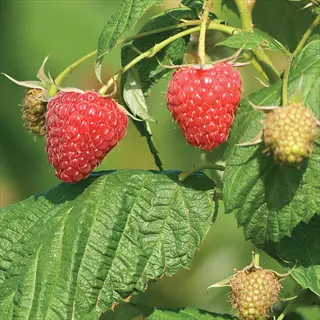
- Type: Early-ripening primocane-fruiting fall-bearing red raspberry that starts producing in late July, weeks before other fall-bearers.
- Hardiness: Excellent for USDA zones 3 through 7 with outstanding cold hardiness developed by Polish breeders for northern climates.
- Flavor: Medium-sized, firm berries with classic sweet raspberry flavor and balanced acidity, excellent for fresh eating and preserves.
- Yield: Produces around 1 to 1.5 pounds (0.45-0.7 kg) per cane per year with a long harvest window from late July through frost.
- Disease Resistance: Good resistance to root rot and tolerant of cane diseases when grown in well-drained soil with proper spacing.
- Best For: Northern growers in zones 3 and 4 who want an early-starting fall-bearer that finishes ripening before hard frost.
Want fruit twice a year? Pair a summer pick like Latham with a fall pick like Heritage. You will get berries from July to frost. Many raspberry cultivars here fight off rot and rust on their own. So they rank as disease-resistant raspberry varieties that cut your spray time.
Start with two or three cultivars at most in your first year so you can see which ones thrive on your land. Soil and weather vary block by block, and personal trials beat any chart every time.
Site and Soil Preparation
Site prep is the dull part of growing fruit. But it pays off for a full decade. Think of it like the footing under a house. Skimp here and your whole patch suffers for years.
The best soil for raspberries is deep loam with a pH near 6.0. Raspberry sun requirements call for full sun for raspberries of 6 to 8 hours per day. You also need well-drained soil and clean ground. The four items in this checklist sort out where to grow raspberries on your land. Get them right before you plant a single cane.
Sunlight Exposure
- Minimum hours: Provide at least 6 to 8 hours of direct sunlight per day to fuel photosynthesis and maximize berry sugar development.
- Morning sun priority: Morning sun dries dew from leaves quickly, reducing fungal disease pressure such as gray mold and cane blight.
- Avoid heavy shade: Sites with less than 4 hours of direct sun produce weak canes, sparse fruit set, and increased pest susceptibility.
- Southern aspect: South-facing or southwest-facing slopes warm earlier in spring, extending the growing season for northern gardeners.
Soil Texture and Drainage
- Loamy soil: Sandy loam to silt loam soils provide the ideal balance of drainage, moisture retention, and root oxygen for raspberry crowns.
- Drainage test: Dig a 1-foot (30 cm) hole, fill with water, and ensure it drains within 4 hours to confirm adequate drainage.
- Raised beds: In heavy clay or poorly drained sites, build raised beds 8 to 12 inches (20-30 cm) tall to prevent root rot.
- Organic matter: Incorporate 2 to 4 inches (5-10 cm) of compost or aged manure to improve structure and water-holding capacity.
Soil pH and Fertility
- Target pH range: Aim for soil pH between 5.8 and 6.5 to optimize nutrient uptake and prevent micronutrient deficiencies.
- Soil testing: Submit a soil sample to your local extension office at least 3 to 6 months before planting for custom amendment advice.
- Acidify high pH: Apply elemental sulfur at 1 to 2 pounds per 100 square feet (0.5-1 kg per 9.3 sq m) to lower pH gradually.
- Raise low pH: Apply dolomitic lime to raise pH and supply calcium and magnesium, following soil test recommendations precisely.
Site Isolation and Rotation
- Wild bramble distance: Plant raspberries at least 300 feet (91 m) from wild blackberries or wild raspberries to prevent virus transmission.
- Crop rotation: Avoid sites where tomatoes, potatoes, peppers, eggplant, or strawberries grew in the last 5 years due to Verticillium risk.
- Air circulation: Choose open sites with good airflow to reduce humidity around canes and discourage fungal disease establishment.
- Wind shelter: Provide a windbreak on exposed sites to protect tender primocanes and prevent fruit damage during summer storms.
I lost half my first patch to Verticillium wilt after planting in a bed where tomatoes grew the year before. The canes leafed out fine in May. By July they wilted and died. Soil history matters as much as soil texture, so check the past five years of any spot.
Fix your raspberry soil pH in fall, the season before you plant. Sulfur and lime both take months to shift the pH down or up. A spring soil test tells you the new number so you can plant with confidence.
How to Plant Raspberry Bushes
When to plant raspberries is the first call you make. Bare-root canes go in during early spring as soon as you can work the soil. Potted plants can wait until late spring or early fall. I prefer bareroot raspberry canes because they cost half as much and root faster.
How to plant raspberries comes down to four steps. Dig a wide trench. Lay the roots flat at the right planting depth of 1 to 2 inches below the surface. Cover with loose soil. Then water it in well. For raspberry plant spacing, use the table below to match your variety.
Container growing works for small yards or patios. Pick a pot of at least 15 gallons with good drainage holes in the base. Fill with a mix of compost and potting soil. Transplanting raspberries from a container into the ground works fine in the second year too.
Black and purple types need more room because their roots stay in a clump. They form a hill rather than a row. Red and yellow types spread by suckers, so they fill a narrow row over time.
Trim the canes to about 6 inches tall right after planting. This forces the roots to focus on growing strong instead of feeding weak tops. Your first real harvest comes in year two.
Fertilizing and Watering
Fertilizing raspberries is simple once you know the rhythm. Two doses of 10-10-10 fertilizer raspberries love each year. One in early spring before bud break. Another at bloom. That is it for the main season.
Raspberry water requirements stay steady from bloom through harvest. You want 1 to 1.5 inches per week, which adds up to about a gallon per square foot. Watering raspberries with drip lines beats overhead spray. Wet leaves invite mold and rust.
I keep a small raspberry plant food schedule pinned to my fridge. Compost for raspberries goes down in March as a mulch. The 10-10-10 follows two weeks later. This calendar below covers every season so you do not miss a step.
Early Spring (March-April)
- Pre-bloom fertilizer: Apply 2 to 3 pounds (0.9-1.4 kg) of 10-10-10 per 100 feet (30 m) of row before bud break to fuel spring growth.
- Compost top-dress: Spread 1 to 2 inches (2.5-5 cm) of finished compost or well-rotted manure along the row for slow-release nutrition.
- Mulch refresh: Renew straw or wood chip mulch to 3 to 4 inches (7.6-10 cm) deep to suppress weeds and retain soil moisture.
- Soil moisture check: Begin monitoring soil moisture; ensure consistent 1 inch (2.5 cm) of water per week as canes leaf out.
Late Spring to Bloom (May-June)
- Second fertilizer round: Apply another 2 to 3 pounds (0.9-1.4 kg) of 10-10-10 per 100 feet (30 m) of row at the start of bloom to support fruit development.
- Increase watering: Boost irrigation to 1.5 inches (3.8 cm) per week as plants flower and set fruit, prioritizing morning watering.
- Pollinator protection: Avoid spraying pesticides during bloom to protect honeybees and bumblebees that pollinate raspberry flowers.
- Sucker patrol: Begin deep spading along row edges every few weeks to control wandering suckers and maintain row width.
Summer Harvest (June-August)
- Steady moisture: Maintain 1 to 1.5 inches (2.5-3.8 cm) of water weekly via drip irrigation to keep berries plump and prevent crumbly fruit.
- Mulch monitoring: Replenish mulch as needed to keep soil cool and reduce evaporation during peak summer heat.
- Harvest cadence: Pick raspberries every 2 to 3 days at peak ripeness to encourage continued fruit set and reduce pest pressure.
- No late nitrogen: Avoid high-nitrogen fertilizer after July to prevent soft fall growth that may not harden off before winter.
Fall to Dormancy (September-November)
- Fall-bearing harvest: Continue harvesting primocane-fruiting varieties through October, watering 1 inch (2.5 cm) per week until first hard frost.
- Winter mulch: Apply 4 to 6 inches (10-15 cm) of straw or wood chip mulch to insulate roots and protect crowns through winter freeze cycles.
- Soil test prep: Collect soil samples in late fall for testing so amendments can be applied during the dormant season as needed.
- Watering wind-down: Reduce irrigation after leaf drop, providing supplemental water only during prolonged fall drought conditions.
Skip the late summer feed. New growth after August stays soft and weak. It freezes and snaps in the first hard frost. I learned this the year I dumped extra fertilizer on a tired-looking row in September.
Water early in the morning if you can. The soil soaks it up before the sun bakes it off. Steady moisture builds bigger berries and keeps the fruit from going crumbly in the cap.
Pruning and Trellis Setup
How to prune raspberries depends on the type. Summer-bearers fruit on second-year wood. Fall-bearers fruit on first-year wood. Get this wrong and you cut off your whole crop. I once mowed a Heritage bed flat in spring thinking I was helping. Lost the summer harvest that year.
For pruning summer-bearing raspberries, cut out spent canes after July. Pruning fall-bearing raspberries can mean a clean mow each spring for one big fall crop. Or a lighter trim for two smaller crops. Floricane pruning opens up the bed so the new primocanes get sun and air.
A raspberry trellis keeps the canes upright and the fruit clean. Set two 5 to 6 foot end posts with 12.5-gauge wire strung at 2, 3, and 4 feet. Raspberry cane thinning in late winter limits each foot of row to 3 to 4 strong canes. More than that and yield drops fast.
Try the scratch test if you cannot tell live canes from dead ones in spring. Scrape the bark with your thumbnail. Green under the skin means live. Brown and dry means dead. Cut the dead ones at ground level.
Always prune on a dry day with clean sharp tools. Wet cuts invite fungus into the wound. Wipe blades with rubbing alcohol between plants to stop the spread of cane blight from one crown to the next.
Pests, Diseases, Solutions
Most raspberry pests and diseases show up in mid to late summer when the canes are stressed. I check my plants once a week with a quick walk down the row. Catching a problem early can save the whole crop. The chart below covers the five worst offenders for home growers.
Spotted wing drosophila is the new big threat across most U.S. zones. Anthracnose raspberry issues hit canes hard during wet springs. Botrytis gray mold ruins fruit during humid weeks. Phytophthora root rot kills whole plants from below. Raspberry cane diseases spread fast in tight rows. Most raspberry plant problems trace back to bad airflow or too much water.
Spotted Wing Drosophila
- Symptoms: Soft, collapsed berries with tiny larvae inside ripe fruit, often appearing just before harvest in late summer.
- Cause: An invasive vinegar fly that lays eggs in ripe and ripening berries, unlike native fruit flies that target only damaged fruit.
- Solution: Harvest fruit every 1 to 2 days, remove overripe and dropped berries immediately, and refrigerate at 33 degrees Fahrenheit (0.5 degrees Celsius).
- Prevention: Hang vinegar or yeast-baited monitoring traps in early summer to detect first arrivals and time exclusion netting properly.
Gray Mold (Botrytis)
- Symptoms: Fuzzy gray fungal growth on ripening berries, often spreading rapidly during humid weather or cool rainy spells.
- Cause: Botrytis cinerea fungus that thrives in dense canopies with poor airflow and prolonged leaf wetness from rain or overhead watering.
- Solution: Remove infected berries promptly, prune for better airflow, and switch to drip irrigation to keep foliage dry.
- Prevention: Thin canes to 3-4 per foot (30 cm) of row, maintain row width of 12-18 inches (30-46 cm), and mulch to prevent soil splash onto fruit.
Cane Blight and Anthracnose
- Symptoms: Dark brown to purple lesions on canes, cracked bark, and wilting of fruiting laterals during summer heat.
- Cause: Fungal pathogens that enter through pruning wounds, insect damage, or winter injury, often spreading via splashing rain.
- Solution: Cut and destroy infected canes well below visible damage, sterilizing pruners with 70% alcohol between cuts.
- Prevention: Prune in dry weather only, choose disease-resistant cultivars, and avoid overhead irrigation that wets canes and leaves.
Phytophthora Root Rot
- Symptoms: Wilting canes despite moist soil, reddish-brown discoloration of root and crown tissue, and sudden plant collapse.
- Cause: Soil-borne water mold that thrives in poorly drained soils and standing water, especially during wet springs.
- Solution: Remove and destroy affected plants, improve drainage with raised beds at 8-12 inches (20-30 cm), and avoid replanting raspberries in the same spot.
- Prevention: Plant on well-drained sites or raised beds, choose root-rot-tolerant cultivars such as Caroline or Heritage, and never overwater.
Japanese Beetles and Aphids
- Symptoms: Skeletonized leaves with veins intact from beetles, or clusters of small green to black insects on tender shoots and leaf undersides.
- Cause: Japanese beetles emerge from soil as adults in early summer, while aphids reproduce rapidly on succulent new growth.
- Solution: Hand-pick beetles into soapy water in early morning, blast aphids off with strong water spray, or apply insecticidal soap.
- Prevention: Encourage beneficial insects such as ladybugs, lacewings, and parasitic wasps by planting many flowering companions nearby.
Prevention beats cure every time with berry plants. Clean up old leaves and dropped fruit each fall. Keep wild brambles at least 300 feet away. Rotate away from past tomato and pepper beds for 5 years. These four habits stop most trouble before it starts.
If a single cane shows trouble, cut it out and burn it. Do not toss sick canes on the compost pile. The spores will come back next year and hit your fresh canes even harder.
Harvest, Storage, Health Benefits
Knowing when to harvest raspberries comes down to one simple cue. A ripe berry will leave the vine willingly with the lightest tug. If you have to pull, it is not ready yet. Wait one more day and try again.
How to harvest raspberries takes a soft hand and a flat container. Pick into low trays at most 3 berries deep. Stack any deeper and the bottom layer turns to mush by the time you reach the kitchen. I pick every other morning during peak season.
Storing raspberries in the fridge buys you about 1 week. Spread the fruit out on a paper towel. Keep them dry and cold. Freezing raspberries works for up to a year. Spread them flat on a tray to freeze first, then bag them up.
The raspberry nutrition payoff is huge for such a small fruit. Raspberry health benefits start with fiber and vitamin C. They also include rare plant compounds called anthocyanins. The chart below shows the key numbers from USDA data per 1-cup serving.
A single cup gives you 30% of daily fiber and 36% of daily vitamin C. That same cup runs only about 64 calories. Few foods pack more nutrition per bite than fresh raspberries off the vine in your own yard.
Eat the berries the day you pick them for the best flavor and the most nutrients. Antioxidant levels drop a bit each day after harvest. Fresh from the cane beats any grocery store pint by a wide margin.
5 Common Myths
All raspberry canes live for many years and keep fruiting season after season from the same wood.
Individual raspberry canes are biennial: they grow one year, fruit the next, then die, while the roots stay perennial.
Raspberries are too invasive to grow in a home garden because suckers will overrun the entire backyard.
Suckers spread, but deep edging, mowed borders, and regular cane thinning easily keep raspberry patches contained.
You should fertilize raspberries heavily with high-nitrogen feed to maximize berry size and yield each year.
A balanced 10-10-10 fertilizer applied at modest spring rates produces stronger canes and better fruit than heavy nitrogen feeding.
All raspberries fruit only once per season, so you cannot pick fresh berries in both summer and fall.
Fall-bearing cultivars can produce two crops per year: one on second-year floricanes and another on first-year primocanes.
Raspberries need very little water once established and can be left to fend for themselves through dry months.
Raspberries need 1 to 1.5 inches (2.5-3.8 cm) of water weekly from bloom through harvest for plump, sweet fruit.
Conclusion
Growing raspberries comes down to three pillars you now know well. Pick the right site with sun and drained soil. Prune by the cane lifecycle each season. Choose a cultivar that fits your climate and your harvest goals. Get these three right and the rest falls in line.
Even a small 25-foot row of well-chosen raspberry plants can yield 25 to 50 pounds of fruit each year. That is more than enough for fresh eating, jam, and gifts to the neighbors. Home garden raspberries pay you back many times over for the modest care you put in.
US growers saw a 27% surge in commercial raspberry output in 2024. Your backyard bed taps into the same momentum. The raspberry care you put in today builds fruit for the next 10 to 15 years. Few crops give back so much for so long.
Start with one well-prepped bed of 6 plants this season. See the raspberry harvest roll in by your second summer. I started with one short row and now I tend three of them. Once you taste that first warm berry off your own canes, you will be looking for room to add a second row before the year is out.
External Sources
Frequently Asked Questions
Where is best to plant a raspberry bush?
Plant raspberry bushes in a sunny, sheltered spot with deep, well-drained loamy soil and good airflow.
Do raspberries grow back every year?
Yes, raspberry roots and crowns are perennial and send up fresh canes each spring, even though individual canes only live two seasons.
Do raspberry bushes like full sun or shade?
Raspberry bushes prefer full sun with at least 6 to 8 hours of direct light per day for the best fruit yield.
Do raspberries grow better in pots or in the ground?
Raspberries grow best in the ground where roots can spread, but compact varieties do well in pots of at least 15 gallons.
Where not to plant raspberries?
Avoid planting raspberries where:
- Tomatoes, potatoes, peppers, eggplant, or strawberries grew in the last 5 years
- Within 300 feet (91 m) of wild brambles
- In low spots with poor drainage
- Heavy shade under tree canopies
Do raspberry plants spread quickly?
Yes, raspberry plants spread quickly by underground suckers that can travel several feet in all directions during the growing season.
Do raspberries need to climb?
Raspberries are not true climbers, but tall canes benefit from a trellis or T-post support to stay upright and produce cleaner, easier-to-pick fruit.
How long does a raspberry flower take to fruit?
A raspberry flower typically takes about 30 to 45 days from pollination to develop into a ripe, harvestable berry.
Can you plant raspberries in October?
Yes, October is suitable for planting raspberries in mild climates because dormant canes establish roots before winter and start strongly in spring.
What is the lifespan of a raspberry plant?
A raspberry plant's crown and roots live 10 to 15 years, though peak productivity usually lasts 5 to 7 years before replanting is recommended.