
Introduction
The 25 Best Pollinator Plants for Your Garden are the workhorses behind your food and yard. The USDA notes that 75% of flowering plants rely on animal pollinators. 1 in 3 bites of food on your plate comes from their work. Bees, butterflies, and moths move pollen so fruits and seeds can form.
I have grown pollinator plants for over ten years in three climate zones. I tried hot southern yards, mild coastal beds, and cold mountain meadows. I learned fast that a glossy plant tag tells you little. My first spring, a flashy hybrid sat empty while a scruffy native milkweed buzzed all summer.
Think of your pollinator garden as a living grocery store. Every bloom is a meal that keeps the local food web running. When the shelves go empty in late summer, bees and beneficial insects pay the price. Native plants grew alongside these visitors for thousands of years. They give the richest nectar and pollen, often with less fuss than showy hybrids.
Honey bees alone added over 19 billion dollars to U.S. crop value in one year. That number leaves out the work of more than 3,600 native bee species across the country. This guide walks you through the top plants that attract pollinators. You will learn how to match them to your region and soil. You will also learn how to keep blooms going from the first warm day through fall.
25 Best Pollinator Plants
I picked these 25 plants after years of watching what bees and butterflies visit in my own beds. The list blends perennials, annuals, and shrubs so your garden can support visitors at every height. Each one earns its spot by feeding many species at once. Some also act as a key host plant for caterpillars. The National Park Service notes that pollinators support over 180,000 plant types and 1,200 food crops worldwide.
You will see classic native plants like milkweed, coneflower, bee balm, and goldenrod take the top slots. These plants give the strongest nectar plant value and the most pollen per visit. I also added imports like lavender. Annuals such as zinnia and cosmos round out the list so you can pick what fits your space.
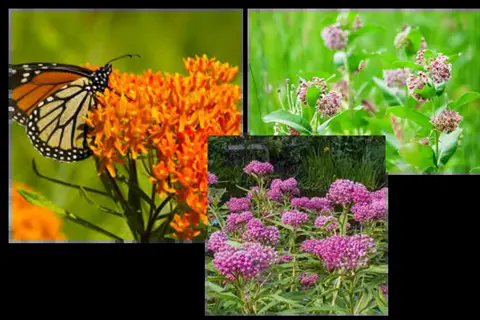
Butterfly Milkweed
- Botanical name: Asclepias tuberosa, a clump-forming native perennial with bright orange flat-topped flower clusters.
- Pollinators served: Monarch butterflies use it as a larval host while bees, swallowtails, and hummingbirds sip nectar.
- Hardiness: USDA Zones 3 through 9 across most of the continental United States.
- Light and soil: Full sun with dry, well-drained soil; tolerates poor and sandy ground beautifully.
- Bloom time: Early summer through late summer, June through August in most regions.
- Designer tip: Plant in groups of at least three to make the orange clusters easier for monarchs to find.
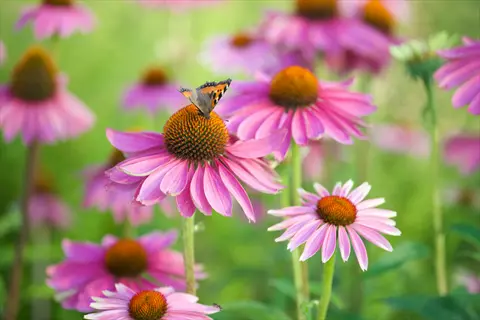
Purple Coneflower
- Botanical name: Echinacea purpurea, a sturdy native prairie perennial with pink-purple daisy-like flowers and raised seed cones.
- Pollinators served: Bumblebees, native long-horned bees, fritillaries, and goldfinches feed on the seeds later.
- Hardiness: USDA Zones 3 through 8 with strong drought tolerance once established.
- Light and soil: Full sun in average, well-drained soil; thrives in lean conditions where richer soils flop.
- Bloom time: Mid summer through early fall, roughly July through September.
- Designer tip: Leave seed heads standing through winter to feed finches and provide stem cavities for native bees.
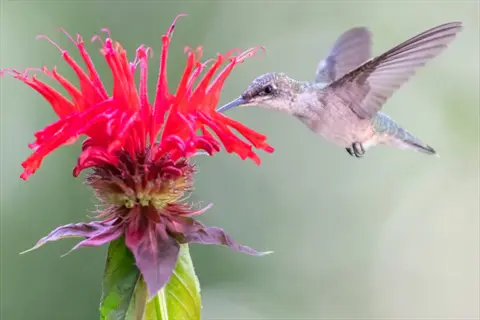
Bee Balm
- Botanical name: Monarda didyma and Monarda fistulosa (wild bergamot), mint-family perennials with tubular crown-shaped flowers.
- Pollinators served: Hummingbirds, bumblebees, hawkmoths, and clearwing moths flock to the tubular blooms.
- Hardiness: USDA Zones 3 through 9 depending on species, with wild bergamot the most adaptable.
- Light and soil: Full sun to part shade; moist soil for M. didyma, dry-tolerant for M. fistulosa.
- Bloom time: Mid summer, with deadheading extending flowers into early fall.
- Designer tip: Choose mildew-resistant cultivars and give plants good airflow to prevent powdery mildew.
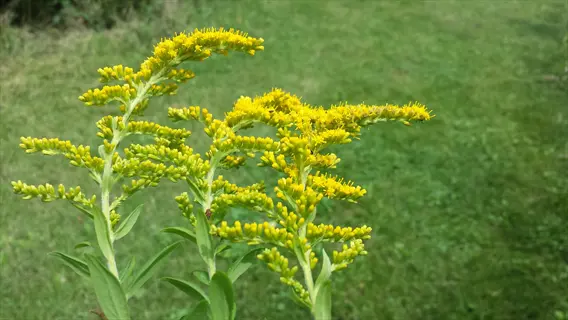
Goldenrod
- Botanical name: Solidago species, including Canada goldenrod and showy goldenrod, native perennials with arching yellow plumes.
- Pollinators served: Hundreds of bee, wasp, fly, and butterfly species rely on it as a late-season nectar source.
- Hardiness: USDA Zones 3 through 9 across most regions of the United States.
- Light and soil: Full sun in average to dry soil; tolerates clay and lean ground without complaint.
- Bloom time: Late summer through early fall, often August through October.
- Designer tip: Goldenrod pollen is heavy and insect-borne, not airborne, so it does not cause hay fever as ragweed does.
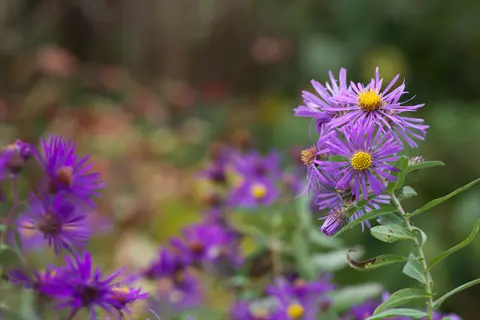
New England Aster
- Botanical name: Symphyotrichum novae-angliae, a tall native perennial with rich purple daisy-like flowers and yellow centers.
- Pollinators served: Migrating monarch butterflies, native bumblebees, and skippers feed heavily before winter.
- Hardiness: USDA Zones 3 through 8 with reliable performance in cold climates.
- Light and soil: Full sun in moist, fertile soil; tolerates clay where many perennials struggle.
- Bloom time: Late summer through mid fall, an essential pre-frost fuel source.
- Designer tip: Pinch stems in early summer to keep plants bushy and prevent flopping at bloom time.
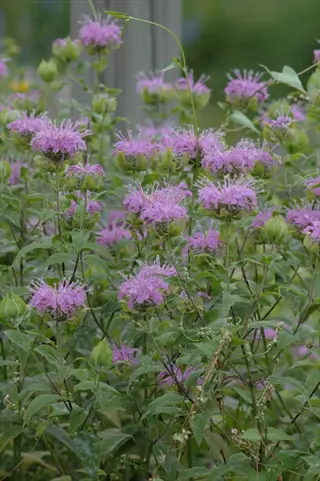
Wild Bergamot
- Botanical name: Monarda fistulosa, a tough native cousin of bee balm with lavender-pink flowers and aromatic foliage.
- Pollinators served: Long-tongued bees, hummingbirds, and clearwing moths sip the tubular florets.
- Hardiness: USDA Zones 3 through 9 with strong drought tolerance.
- Light and soil: Full sun in dry to medium soil; far more mildew-resistant than red bee balm.
- Bloom time: Mid summer, blooming for four to six weeks.
- Designer tip: Combine with coneflower and black-eyed Susan for a classic native prairie trio.
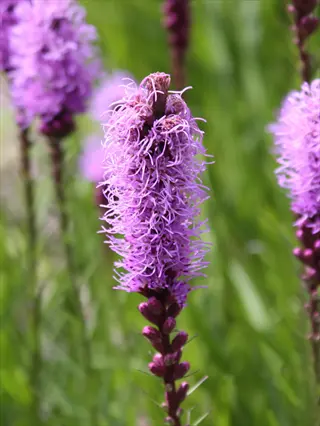
Blazing Star
- Botanical name: Liatris spicata, a native perennial with grass-like foliage and tall purple bottlebrush flower spikes.
- Pollinators served: Monarchs, swallowtails, skippers, and bumblebees work the spikes from the top down.
- Hardiness: USDA Zones 3 through 8 with excellent cold tolerance.
- Light and soil: Full sun in average to dry, well-drained soil; rot-prone in wet winter soils.
- Bloom time: Mid to late summer, an important pollinator bridge between summer and fall.
- Designer tip: Use as a recommended native alternative to invasive butterfly bush in pollinator borders.
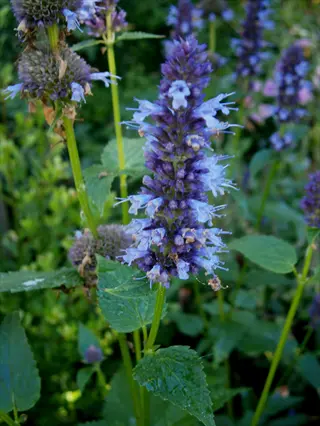
Anise Hyssop
- Botanical name: Agastache foeniculum, a mint-family native perennial with licorice-scented leaves and purple flower spikes.
- Pollinators served: Bumblebees, honey bees, hummingbirds, and butterflies visit the long-blooming spikes.
- Hardiness: USDA Zones 4 through 8 with good drought tolerance.
- Light and soil: Full sun in average to dry, well-drained soil; thrives where lavender thrives.
- Bloom time: Early summer through early fall, a marathon bloomer.
- Designer tip: Lightly self-seeds, so let a few seedlings remain for a naturalized look.
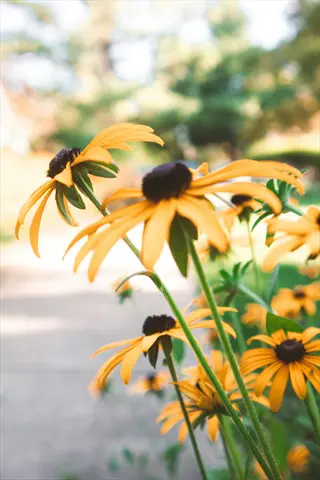
Black-Eyed Susan
- Botanical name: Rudbeckia hirta and Rudbeckia fulgida, native daisy-family plants with golden petals and dark cones.
- Pollinators served: Native bees, hoverflies, and small butterflies use the flat landing pads heavily.
- Hardiness: USDA Zones 3 through 9 depending on species.
- Light and soil: Full sun in average to moist soil; tolerates clay better than most prairie natives.
- Bloom time: Mid summer through fall, often July through September.
- Designer tip: Leave seed heads up for goldfinches and overwintering insects.
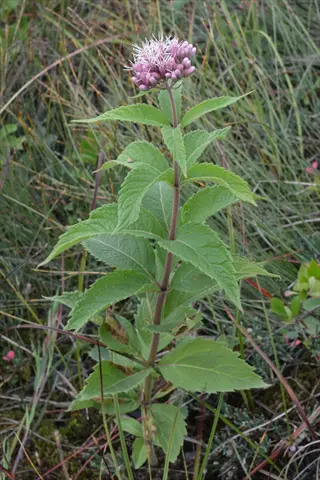
Joe Pye Weed
- Botanical name: Eutrochium purpureum and E. maculatum, tall native perennials with domed mauve flower clusters.
- Pollinators served: Tiger swallowtails, monarchs, fritillaries, and large bumblebees feast on the umbels.
- Hardiness: USDA Zones 3 through 8.
- Light and soil: Full sun to part shade in moist to wet soil; ideal for rain gardens.
- Bloom time: Late summer through early fall.
- Designer tip: At five to seven feet tall, plant at the back of borders or as a soft hedge.
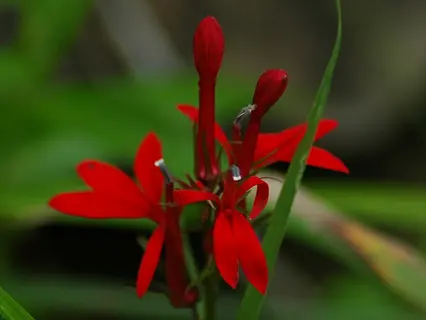
Cardinal Flower
- Botanical name: Lobelia cardinalis, a native perennial with brilliant red tubular flower spikes.
- Pollinators served: Ruby-throated hummingbirds are the primary pollinator, with long-tongued butterflies also visiting.
- Hardiness: USDA Zones 3 through 9.
- Light and soil: Part shade in moist to wet soil; ideal along streams and pond edges.
- Bloom time: Mid summer through early fall.
- Designer tip: Mulch lightly in winter and avoid heavy leaf cover that can smother the basal rosette.
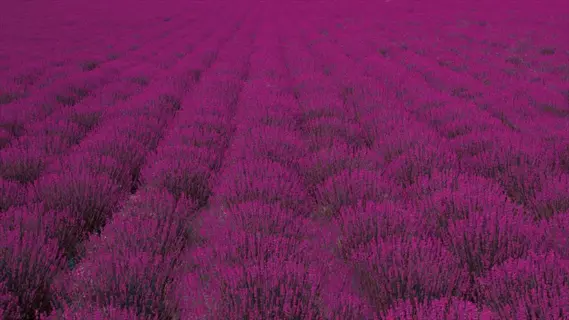
Lavender
- Botanical name: Lavandula angustifolia, a Mediterranean woody subshrub with silver foliage and purple flower spikes.
- Pollinators served: Honey bees, bumblebees, hawkmoths, and butterflies visit in droves.
- Hardiness: USDA Zones 5 through 9 depending on cultivar.
- Light and soil: Full sun in lean, sharply drained, alkaline soil; rot-prone in wet clay.
- Bloom time: Early to mid summer with a possible second flush after shearing.
- Designer tip: Shear plants by one-third after the first bloom to encourage a tidy mound and a fall flush.
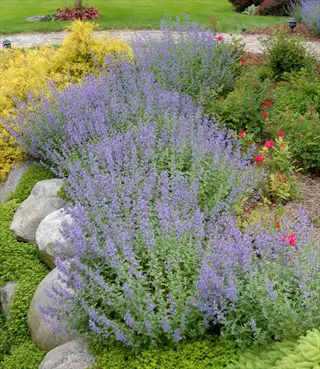
Catmint
- Botanical name: Nepeta x faassenii, a tough mint-family perennial with gray-green foliage and lavender-blue flowers.
- Pollinators served: Bumblebees, honey bees, and mason bees work the spikes from spring through summer.
- Hardiness: USDA Zones 3 through 8.
- Light and soil: Full sun in average, well-drained soil; very drought tolerant.
- Bloom time: Late spring through mid summer, often reblooming after a shear.
- Designer tip: Choose sterile cultivars like 'Walker's Low' that bloom longer and do not self-sow aggressively.
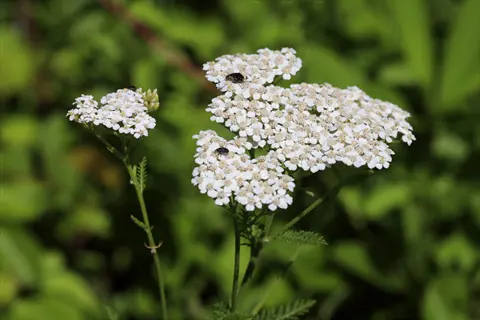
Yarrow
- Botanical name: Achillea millefolium, a native perennial with feathery foliage and flat-topped flower clusters.
- Pollinators served: Hoverflies, native bees, beetles, and small butterflies use the landing-pad flowers.
- Hardiness: USDA Zones 3 through 9.
- Light and soil: Full sun in average to dry soil; tolerates poor ground and salt spray.
- Bloom time: Early summer through fall with deadheading.
- Designer tip: Available in white, yellow, pink, and red, making it versatile for any color scheme.
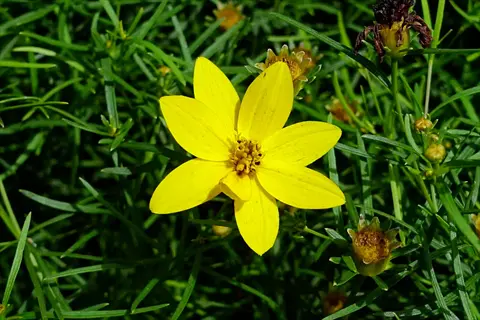
Coreopsis
- Botanical name: Coreopsis lanceolata and C. verticillata, native tickseed perennials with cheerful yellow daisy flowers.
- Pollinators served: Native bees, sweat bees, and small butterflies feed on the abundant blooms.
- Hardiness: USDA Zones 3 through 9 depending on species.
- Light and soil: Full sun in average to dry, well-drained soil.
- Bloom time: Early summer through fall with consistent deadheading.
- Designer tip: Threadleaf types like 'Moonbeam' offer airy texture in tight border spaces.
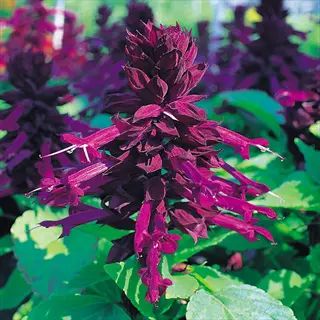
Salvia
- Botanical name: Salvia nemorosa and Salvia guaranitica, mint-family plants with upright purple, blue, or red flower spikes.
- Pollinators served: Hummingbirds, bumblebees, and long-tongued bees visit the tubular flowers.
- Hardiness: USDA Zones 4 through 9 depending on species.
- Light and soil: Full sun in average to dry, well-drained soil.
- Bloom time: Late spring through fall depending on type.
- Designer tip: Shear by one-third after the first flush to trigger a strong second bloom.
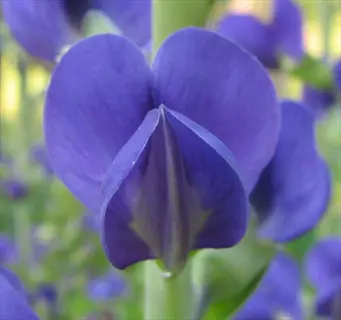
False Indigo
- Botanical name: Baptisia australis, a native legume-family perennial with blue-green foliage and indigo pea-like flowers.
- Pollinators served: Bumblebees are the primary pollinator; silver-spotted skippers use it as a larval host.
- Hardiness: USDA Zones 3 through 9.
- Light and soil: Full sun in average, well-drained soil; deep taproot makes it long-lived and drought tolerant.
- Bloom time: Late spring through early summer.
- Designer tip: Slow to establish but treat it as a shrub-sized investment that improves for decades.
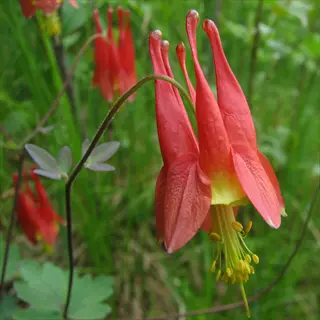
Columbine
- Botanical name: Aquilegia canadensis, a native woodland perennial with red and yellow spurred flowers.
- Pollinators served: Ruby-throated hummingbirds and long-tongued bumblebees reach the nectar in the spurs.
- Hardiness: USDA Zones 3 through 8.
- Light and soil: Part shade in moist, well-drained soil; tolerates dry shade once established.
- Bloom time: Mid spring through early summer.
- Designer tip: A vital early-spring nectar source when few other native flowers are open.
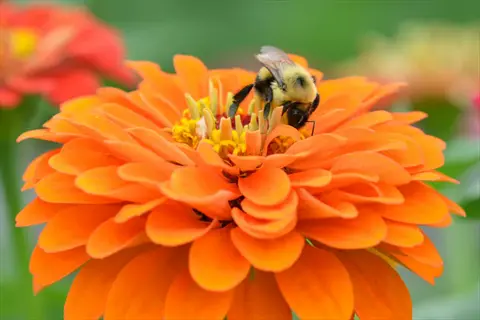
Zinnia
- Botanical name: Zinnia elegans and Z. angustifolia, easy-to-grow annuals with bright daisy-like flowers.
- Pollinators served: Butterflies including monarchs and swallowtails, plus bees and hummingbirds.
- Hardiness: Frost-tender annual grown nationwide from seed.
- Light and soil: Full sun in fertile, well-drained soil with regular water.
- Bloom time: Early summer through frost when deadheaded.
- Designer tip: Choose single-petaled types over fully double cultivars to ensure pollen and nectar access.
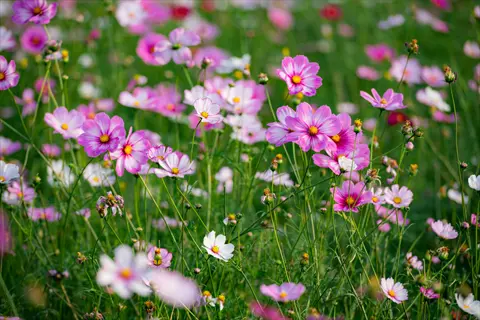
Cosmos
- Botanical name: Cosmos bipinnatus and Cosmos sulphureus, airy annuals with single daisy-like flowers.
- Pollinators served: Native bees, hoverflies, and butterflies use the open flower form heavily.
- Hardiness: Frost-tender annual that self-seeds in mild climates.
- Light and soil: Full sun in average, well-drained soil; tolerates lean ground better than rich soil.
- Bloom time: Early summer through frost.
- Designer tip: Direct-sow after the last frost for the strongest, longest-blooming plants.
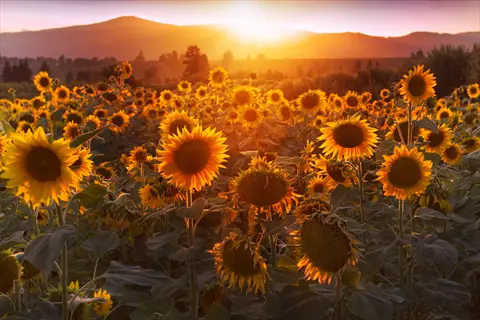
Sunflower
- Botanical name: Helianthus annuus and perennial Helianthus species, large native annuals and perennials.
- Pollinators served: Native bees including long-horned bees, plus honey bees, butterflies, and seed-eating birds.
- Hardiness: Annual sunflowers grow nationwide; perennial species hardy in Zones 3 through 9.
- Light and soil: Full sun in average soil with steady moisture during establishment.
- Bloom time: Mid summer through frost.
- Designer tip: Choose pollen-bearing varieties rather than pollenless cut-flower types that offer little to bees.
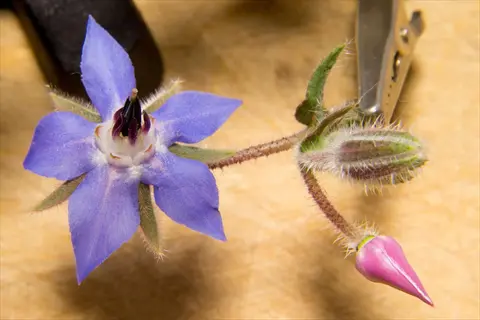
Borage
- Botanical name: Borago officinalis, a quick-growing annual herb with star-shaped blue flowers.
- Pollinators served: Honey bees and bumblebees so heavily it is sometimes called the bee plant.
- Hardiness: Frost-tender annual that self-seeds reliably.
- Light and soil: Full sun to part shade in average, well-drained soil.
- Bloom time: Early summer through fall.
- Designer tip: Plant near tomatoes and squash where its blooms boost vegetable pollination.
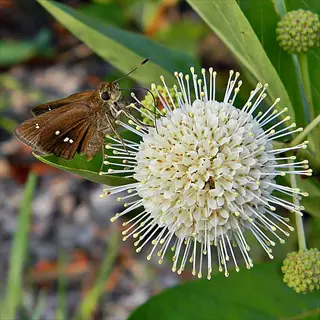
Buttonbush
- Botanical name: Cephalanthus occidentalis, a native deciduous shrub with spherical white pincushion flowers.
- Pollinators served: Honey bees, native bees, hummingbirds, and butterflies including swallowtails.
- Hardiness: USDA Zones 5 through 9.
- Light and soil: Full sun to part shade in wet to moist soil; thrives where most shrubs rot.
- Bloom time: Mid to late summer.
- Designer tip: A rare pollinator powerhouse for soggy spots and pond edges.
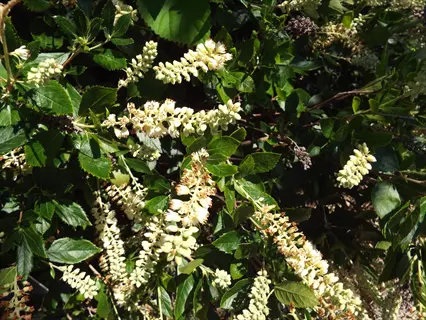
Summersweet
- Botanical name: Clethra alnifolia, a native shrub with fragrant white or pink bottlebrush flower spikes.
- Pollinators served: Bumblebees, butterflies, and many native bees seek the strong sweet scent.
- Hardiness: USDA Zones 3 through 9.
- Light and soil: Part shade in moist to wet, acidic soil; tolerates clay and seasonal flooding.
- Bloom time: Mid to late summer when many shrubs are finished blooming.
- Designer tip: Use in shady, moist corners where lavender and lilac would fail.
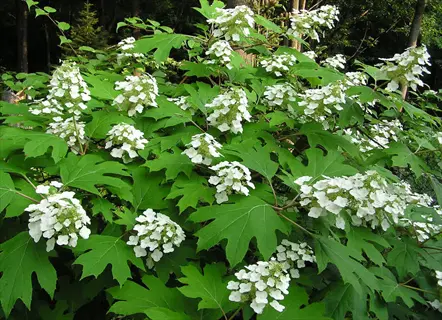
Oakleaf Hydrangea
- Botanical name: Hydrangea quercifolia, a native shrub with oak-shaped leaves and cone-shaped white flower panicles.
- Pollinators served: Native bees, bumblebees, and beetles work the fertile florets within the panicles.
- Hardiness: USDA Zones 5 through 9.
- Light and soil: Part shade in moist, well-drained, slightly acidic soil.
- Bloom time: Early to mid summer with flowers fading to pink.
- Designer tip: Choose species or single-flowered forms; sterile mophead hydrangeas like Annabelle offer little pollen and nectar.
In my experience, you should pick at least five plants from this list to start strong. Aim for a mix of spring, summer, and fall bloomers so your visitors never run short on food. I plant in groups of three or more of the same species since bees waste less energy when blooms cluster together.
Native vs Cultivar Plants
I used to fill my cart with the showiest blooms I could find at the garden center. After a slow summer of empty bees and zero butterflies, I learned that flashy hybrids and true native plants are not the same thing. Penn State research shows that the popular Annabelle hydrangea is almost all sterile flowers. The native Hydrangea arborescens, by contrast, gives rich pollen and nectar that real bees can use.
The key is knowing how to read a plant tag before you buy. Single-petaled flowers with open faces let bees reach the pollen and nectar. Double blooms stack so many extra petals that visitors cannot get inside. Many cultivars also cross too far from their wild parent. Even modern nativars can lose pollen value when breeders push for bigger or brighter flowers.
When in doubt, choose the straight species over a fancy cultivar. The plant tag should list a simple botanical name like Echinacea purpurea, not a long string of trademarks in quotes. Your bees will thank you with the kind of buzz that makes a garden feel alive.
Regional Native Plant Picks
The right native plants for region matter more than the prettiest plant in the catalog. The U.S. Fish & Wildlife Service maps about 144 native species across 8 main ecoregions. Each ecoregion has its own bees, soils, and rainfall pattern. A plant that thrives in a Florida yard may sulk and die in a Colorado meadow.
I made every regional mistake you can name in my first five years. I tried to grow Pacific natives in the humid South. I lost them to root rot in one wet July. Match your picks to your USDA hardiness zones and your local rain pattern. The USDA also points to the Pollinator Partnership. It offers 32 regional planting guides you can download for free.
Below is a quick tour with native wildflowers that earn their keep in each region. I share pollinator plants for Southeast beds. I cover pollinator plants for Midwest prairies. You will also see dry-climate picks for the western states.
Northeast and Mid-Atlantic
- Top natives: New England aster, wild bergamot, cardinal flower, and Joe Pye weed thrive in the region's seasonal moisture.
- Pollinators supported: Monarchs, ruby-throated hummingbirds, mason bees, and migrating swallowtails benefit from late-season blooms.
- Conditions: USDA Zones 4 through 7 with cold winters and moderate summer humidity.
- Avoid: Invasive butterfly bush and Japanese barberry; the University of Maryland recommends Liatris spicata and Asclepias tuberosa as alternatives.
- Bloom strategy: Pair early columbine with summer bee balm and fall asters to cover the full pollinator season.
Southeast
- Top natives: Purple coneflower, swamp milkweed, scarlet sage, and stokes' aster handle heat and humidity well.
- Pollinators supported: Tiger swallowtails, gulf fritillaries, ruby-throated hummingbirds, and southeastern blueberry bees.
- Conditions: USDA Zones 7 through 9 with hot, humid summers and mild winters.
- Avoid: Lantana camara in frost-free counties where it escapes cultivation; choose native milkweeds instead.
- Bloom strategy: Lean on long-blooming Salvia coccinea and Coreopsis for nearly nonstop nectar.
Midwest
- Top natives: Showy milkweed, prairie blazing star, wild bergamot, and Canada goldenrod anchor classic prairie plantings.
- Pollinators supported: Monarchs, rusty patched bumblebee in select states, and a wide range of long-horned native bees.
- Conditions: USDA Zones 3 through 6 with cold winters and warm summers.
- Avoid: Crown vetch and invasive teasel that crowd native prairie plants.
- Bloom strategy: Plant in matrix style with grasses like little bluestem to mimic the prairie ecosystem.
Mountain-Prairie and Southwest
- Top natives: Rocky Mountain bee plant, desert marigold, penstemon, and showy milkweed handle dry conditions.
- Pollinators supported: Native solitary bees, hummingbirds, hawkmoths, and lesser long-nosed bat in southern areas.
- Conditions: USDA Zones 3 through 9 with low humidity and dramatic temperature swings.
- Avoid: Russian olive and tamarisk, both highly invasive in riparian zones.
- Bloom strategy: Use xeric design and group plants by water need to conserve moisture.
Pacific and Pacific Southwest
- Top natives: Western columbine, California poppy, narrow-leaf milkweed, and Foothill penstemon shine in Mediterranean climates.
- Pollinators supported: Anna's hummingbird, painted lady butterflies, native bumblebees, and the western monarch population.
- Conditions: USDA Zones 7 through 10 with wet winters and dry summers.
- Avoid: Pampas grass and English ivy that crowd native flora.
- Bloom strategy: Lean heavily on spring bloomers since summer drought limits flowering windows.
Designing for Continuous Bloom
A great pollinator garden runs like a relay race. Each plant hands the nectar baton to the next one as the season moves forward. The goal is continuous bloom from the first warm day in March to the last frost in October. Penn State splits the year into three main windows: early spring, summer, and autumn.
In my experience, the August gap is the worst trap for new pollinator gardeners. I once skipped August blooms in my own beds. My bees vanished for three weeks until the goldenrod opened. That gap taught me to map every month before I plant a single thing. I now treat bloom succession as the simple skill that turns a pretty yard into a true year-round pollinator garden.
Use the table below to plan your blooms. I group plants into early spring flowers, summer pollinator plants, and fall pollinator plants. Aim for at least three plants in bloom during each window. Your visitors will never face empty weeks.
Garden Design by Sun and Soil
Smart garden design starts with your real site, not the cover of a glossy plant catalog. The University of Maryland Extension shares six core plant lists. The lists cover sun and dry, sun and moist, shade, wet, and small spaces. Each one calls for a different plant set.
I have ruined more plants than I care to admit by fighting my soil. I once tried to grow lavender in soggy clay. The plants rotted by August. Now I match every pick to the spot. Full sun pollinator plants want lean, well-drained soil, while shade pollinator plants need cool, moist root zones. Wet soil pollinator plants thrive where most shrubs would drown. Drought tolerant plants want sandy beds that bake in the sun.
Full Sun and Dry Soil
- Signature plants: Butterfly milkweed, wild bergamot, blazing star, yarrow, and lavender all thrive without supplemental water.
- Pollinators served: Native long-horned bees, monarchs, swallowtails, and honey bees forage heavily here.
- Soil prep: Skip rich amendments and compost; lean soil produces sturdier stems and more flowers.
- Watering: Water deeply the first season then taper off; mature plants resent summer irrigation.
- Common mistake: Overcrowding traps humidity and encourages root rot in drought-loving species.
Full Sun and Moist Soil
- Signature plants: Bee balm, Joe Pye weed, swamp milkweed, ironweed, and New England aster handle steady moisture.
- Pollinators served: Hummingbirds, tiger swallowtails, fritillaries, and bumblebees feed at multiple heights.
- Soil prep: Add two inches of compost at planting to support heavier biomass.
- Watering: Maintain even moisture during establishment and through summer drought spells.
- Common mistake: Cutting these plants back too early limits the late-season bloom that pollinators need.
Part Shade
- Signature plants: Wild columbine, cardinal flower, foamflower, woodland phlox, and great blue lobelia bloom in dappled light.
- Pollinators served: Ruby-throated hummingbirds, mason bees, and woodland butterflies prefer cool shade gardens.
- Soil prep: Build humus-rich soil with leaf mold rather than synthetic fertilizers.
- Watering: Keep soil consistently moist; tree roots compete heavily with new plantings.
- Common mistake: Choosing sun-loving cultivars and expecting flowers; pick true woodland natives instead.
Wet or Boggy Soil
- Signature plants: Buttonbush, cardinal flower, summersweet, blue flag iris, and swamp milkweed handle standing moisture.
- Pollinators served: Native bees, swallowtails, hummingbirds, and many fly species feed in these moist refuges.
- Soil prep: Do not amend wet sites with sand; choose plants that match the conditions instead.
- Watering: Natural rainfall is usually enough; supplemental watering risks rot.
- Common mistake: Treating soggy spots as problems instead of pollinator opportunities.
Small Spaces and Containers
- Signature plants: Catmint, dwarf coneflower, calamint, zinnia, and salvia perform well in pots and tight borders.
- Pollinators served: Honey bees, bumblebees, small butterflies, and hoverflies adapt readily to balcony gardens.
- Soil prep: Use a quality potting mix with added compost and a slow-release organic fertilizer.
- Watering: Containers dry quickly in summer; check daily during heat waves.
- Common mistake: Treating containers as static; refresh annuals each year to keep blooms going.
Beyond Plants Habitat Needs
A great pollinator garden gives more than flowers. Think of it as a full habitat package, not a salad bar. Visitors need shelter, nesting sites, water, and a chemical-free zone. The USDA reports that about 70% of U.S. bee species are ground-nesting bees that dig small tunnels in bare soil.
I used to rake every leaf and cut every stem in October. Then I read the UMD Extension advice on overwintering habitat. Now I leave the leaf litter under my shrubs. Dead stalks stand until late spring. My mason bee count tripled the next year.
Build a clear pesticide-free garden zone. Skip the use of neonicotinoids in your yard. These chemicals move through every part of the plant, even the pollen. Ask your nursery if plants were pre-treated. Add a simple water source for bees with a pebble-filled saucer. Set up a bee hotel for stem-nesting species. Plant at least one host plant like milkweed so caterpillars have a place to grow.
Provide Nesting Sites
- Ground-nesting bees: Leave patches of bare, sunny soil since about 70% of U.S. bee species nest in the ground, per USDA.
- Stem-nesting bees: Leave hollow plant stalks standing until late spring; mason bees and leaf-cutter bees nest inside.
- Bee hotels: Use simple drilled blocks or paper tubes cleaned annually to prevent disease.
- Brush piles: Stack twigs and dried stems in a corner for bumblebee queens and overwintering butterflies.
- Common mistake: Heavy mulch over every inch of soil blocks ground-nesting bees from accessing nest sites.
Add a Water Source
- Low water: Use a saucer with pebbles for safe landing surfaces; bees drown in deep open water.
- Refresh regularly: Change water every few days to prevent mosquito breeding.
- Mud puddles: Butterflies puddle on damp mineral-rich mud to absorb salts and nutrients.
- Placement: Locate water within ten feet of flower beds so pollinators can refuel between visits.
- Common mistake: Treating bird baths as bee water; the smooth surface causes drowning without rocks or marbles.
Skip the Pesticides
- Avoid neonicotinoids: Systemic insecticides move through every plant tissue, including pollen and nectar.
- Check labels: Ask nurseries whether plants were pre-treated with systemic insecticides before purchase.
- Use targeted methods: Hand-pick pests, encourage predator insects, and rotate crops in vegetable beds.
- Tolerate damage: Healthy pollinator gardens accept some leaf chewing as the price of caterpillar success.
- Common mistake: Spraying broad-spectrum products that kill beneficial insects along with target pests.
Leave the Fall Mess
- Standing stems: Keep dead perennial stems through winter for stem-nesting bees and butterfly pupae.
- Leaf litter: Let leaves stay under shrubs as overwintering shelter for fireflies, moths, and ground beetles.
- Late spring cleanup: Wait until sustained warmth before cutting back so emerging insects can escape.
- Seed heads: Standing coneflower and rudbeckia heads feed goldfinches and chickadees through winter.
- Common mistake: Tidying every leaf and stalk in October destroys the next year's pollinator generation.
5 Common Myths
Any flower in the garden center will help pollinators if it looks bright and showy on the plant tag.
Many showy cultivars and double-flowered varieties produce little or no pollen and nectar, so native single-petaled blooms remain far more useful.
Goldenrod causes hay fever and should be avoided in pollinator gardens because of its high airborne pollen count.
Goldenrod pollen is heavy and insect-carried, not airborne, while wind-pollinated ragweed blooming at the same time is the real allergy culprit.
Honey bees are the most important pollinators, so a healthy garden only needs to support European honey bees.
Native bees, butterflies, moths, flies, beetles, and birds also pollinate, and many native plants depend on specialist native pollinators.
Butterfly bush is the best plant to add to any pollinator garden because butterflies love its flowers in summer.
Butterfly bush is invasive in many regions and feeds adult butterflies without supporting caterpillars, so native alternatives provide more ecological value.
Cutting down every dead stalk and raking all leaves in fall keeps the pollinator garden neat and healthy for spring.
Hollow stems and leaf litter shelter overwintering native bees and butterfly pupae, so leaving the mess until late spring protects next year's pollinators.
Conclusion
Your pollinator garden does real work for the food web that feeds us all. The USDA reports that 75% of flowering plants depend on pollinators. 1 in 3 bites of your food links back to a bee or butterfly. The U.S. is home to more than 3,600 native bee species. Each one needs the kind of bloom you can plant in your own yard.
I have shown you how I pick the best pollinator plants for any region and soil. In my experience, native plants beat showy cultivars on pollen and nectar. I taught you how to keep blooms going across three seasons. I also walked you through habitat needs that go past flowers, so beneficial insects can nest, drink, and rest in your yard.
A sustainable garden does not need a full overhaul on day one. Pick one bare patch in your yard this season. Plant three milkweed, three coneflower, and three bee balm. Watch the new visitors arrive within weeks. Add more plants each year as your beds grow.
Every yard that joins the pollinator-pathway movement makes a real change. Your small patch links up with the parks, farms, and gardens around you. Together you build a chain of food and shelter that keeps bees, butterflies, and birds alive for the years to come.
External Sources
Frequently Asked Questions
What is the best plant for pollinators?
Native milkweed is widely considered the best pollinator plant because it feeds adult bees and butterflies while serving as the only host plant for monarch caterpillars.
What color can bees not see?
Bees cannot see the color red because their vision is shifted toward ultraviolet light, so they often visit red flowers only when those blooms also reflect ultraviolet patterns.
What is the only insect that can pollinate?
Bees are not the only pollinating insects, but among insects bees are the most effective and consistent pollinators because they actively collect pollen to feed their young.
What plants are very easy to pollinate?
Easy plants to pollinate include open, single-petaled flowers such as zinnia, cosmos, sunflower, marigold, and borage that attract a wide range of insects.
Which plants are the best pollinators?
Native milkweed, coneflower, bee balm, goldenrod, and aster are widely considered the best pollinator plants because they offer abundant nectar and pollen for many species.
What is the number one flower that attracts butterflies?
Butterfly milkweed, Asclepias tuberosa, is widely cited as the top butterfly flower because it offers nectar to adults and feeds monarch caterpillars.
Which plants are self-pollinating?
Tomatoes, peppers, beans, peas, and lettuce are common self-pollinating plants that can produce fruit or seed without help from insects or wind.
What is the 3 3 3 rule for bees?
The 3-3-3 rule suggests planting at least three different plants blooming in each of the three seasons, with at least three of each species for a strong floral display.
Why can't you wear black around bees?
Bees may interpret dark, fuzzy clothing as a predator like a bear or skunk, which can trigger defensive behavior and increase the chance of stings.
Which is the most common pollinator?
Bees are the most common and effective pollinators worldwide, with more than 3,600 species in the United States alone, most of them native ground-nesting bees.