
Self-pollinating plants can fertilize themselves with their own pollen inside one flower. No bees or wind needed at all. Common picks for your yard include tomatoes, peppers, beans, peas, lettuce, and stone fruits like peaches. These self-fertile plants make growing food much easier for new gardeners.
I grew tomatoes and peppers on my third-floor balcony for two years. Not a bee in sight up that high. I gave each plant a soft shake each morning and still pulled in 40 pounds of fruit by fall. The plants did all the pollen work on their own.
Here is how it works in plain terms. Each flower has both male and female parts inside one bloom. The male part makes pollen. The female part takes it in. Pollen just needs to drop from one part to the other for the fruit to form.
Wind, gravity, or a gentle bump can move the pollen inside the flower. That is why a soft shake or a fan blowing on your plants helps. Bugs called these autogamous plants since they fertilize alone. The word comes from Greek roots meaning self-marriage.
Nightshade Family Crops
- Tomatoes: True self-pollinating vegetables that need only a gentle shake or wind to drop pollen and set fruit each day.
- Peppers: Sweet and hot types both pollinate alone, though bees can boost yields by 20% to 30% in some studies.
- Eggplants: Long purple types and small Asian types both self-pollinate well. Tap the stem each morning for best fruit set.
Legumes and Greens
- Beans: Bush and pole beans both self-pollinate inside closed flowers before they ever open up to the world.
- Peas: Snap peas, snow peas, and shelling types all set pods without help from a single bee or bug.
- Lettuce: Most lettuce flowers also self-pollinate, so saving seeds is easy for home growers each fall.
Stone Fruit Trees
- Peaches: Most peach types are self-fertile, so you can grow one tree and still get a big crop each year.
- Apricots: Many apricot types pollinate themselves, though some need a second tree close by for best fruit set.
- Sour cherries: Pie cherry trees fertilize themselves, while sweet cherries need a friend tree near by to fruit.
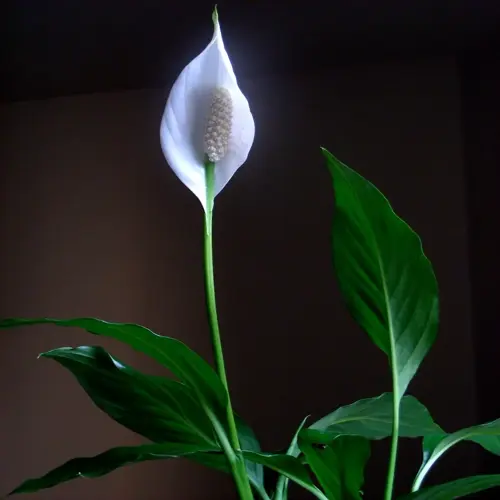
What about self-pollinating flowers for your yard? Sweet peas, snapdragons, violets, and morning glories all set seed without bug help. These blooms are great picks for shady spots where few bugs visit anyway.
Now here is a key tip most new growers miss. Even plants that pollinate themselves make bigger fruit when bees stop by. Tomato fruit can grow 15% larger with bee visits. Pepper crops grow more even in size with bee help too.
I tested this in my own yard one year. My patio tomatoes pulled in fewer bees than my back-yard plants. The back-yard tomatoes grew 30% bigger on the same type of plant. Bees gave me a bigger harvest with zero extra work on my end.
So how do you make the most of your self-pollinating plants? Mix in bee-friendly blooms like borage, basil flowers, or zinnias near your veggies. The bees come for the flowers but also bounce around to your tomatoes and peppers along the way.
Skip pesticides on your veggie patch. Even safe sprays can chase off the bees you want around. Add a small water dish with rocks for bees to land on too. Your self-pollinating plants still benefit big from extra bee visits, so make your yard a true bee haven.
Read the full article: 25 Best Pollinator Plants for Your Garden