
Introduction
Good peace lily care sits in a sweet spot most plant owners miss at first. Your plant flops down like a tired teen on a sofa when it gets thirsty. Then it perks back up an hour after a drink. You start to wonder if it loves you or just puts up with you each week.
I have grown Spathiphyllum in dim rooms and in bright sun rooms for years now. The same truth kept coming back to me each time I moved to a new home. This tropical houseplant from South America is dramatic but kind to its owner. It tells you what it needs through droop and color shifts. You have time to fix things before they go bad.
Clemson Extension calls peace lily one of the few leafy plants that flower in low light spots. It loves 68 to 85 degrees Fahrenheit (20 to 29 Celsius) with bright indirect light on the leaves. Most blogs skip the science behind why this plant acts the way it does inside your home. This guide leans into the biology of a forest floor plant living in your space.
Below you will find a full peace lily care guide built from extension data and real home use over many years. Start with the 9 essential tips for new plant owners. Then jump to the chart when leaves turn yellow or tips turn brown on you.
9 Essential Peace Lily Tips
A solid peace lily care guide comes down to 9 simple moves you can build into a weekly home routine. I treat each tip as one small habit. The plant rewards the steady touch with deep green leaves and clean white blooms.
Think of your plant as a tropical understory plant pretending to live in your living room each day. Every tip below maps back to that forest floor habit, from filtered light to soft water and warm rooms. Good indoor peace lily care copies the woods on a smaller scale.
I keep this list taped inside my plant cabinet for fast checks each week. Pin it to your fridge or save it to your phone for quick lookup when something looks off.
Place in Bright Indirect Light
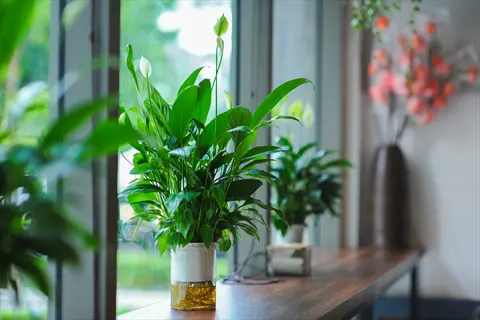
- Ideal window: Position your peace lily 2 to 3 feet (60 to 90 centimeters) back from an east or west facing window for filtered morning or afternoon light.
- Avoid scorch: Direct midday sun bleaches the deep green leaves and causes crispy brown patches that will not recover.
- Low light option: Peace lilies survive in north facing rooms but seldom bloom because the plant needs more energy to form spathes.
- Watch the leaves: Pale, leggy growth means too little light, while yellowing across the whole leaf signals too much.
- Rotate often: Turn the pot a quarter turn each week so all sides receive equal light and the canopy grows in balance.
- Artificial backup: A full spectrum LED grow light placed 12 inches (30 centimeters) above the canopy works in windowless rooms.
Water When Top Inch Dries
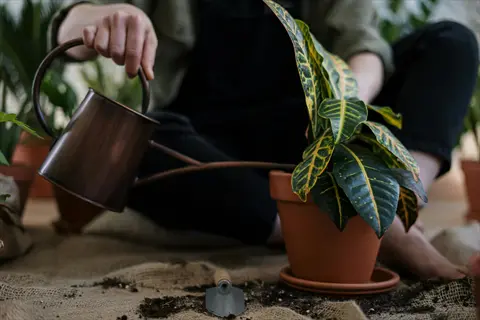
- Finger test: Push a finger into the soil to the first knuckle; water only when the top inch (2.5 centimeters) feels dry.
- Saturate fully: Pour water until it drains from the bottom holes to flush salts and reach every root.
- Empty the saucer: Discard standing water after 30 minutes to prevent root rot in the lower root zone.
- Weekly rhythm: Most homes need to water once every 7 to 10 days, slowing in winter and speeding up in summer.
- Use the droop: A mild drooping plant is a solid water cue; soaking when it stands tall risks overwatering.
- Bottom watering: Setting the pot in a tray of water for 20 minutes is gentler on root hairs than a top pour.

Filter or Rest Tap Water
- Why it matters: Fluoride and chlorine in municipal water cause the brown leaf tips that competitors blame on humidity alone.
- Easy fix: Let tap water sit uncovered overnight so chlorine evaporates before you use it on the plant.
- Best choice: Collected rainwater or distilled water contains no fluoride and produces the cleanest leaf tips.
- Room temperature: Cold water shocks tropical roots; aim for water at about 68 degrees Fahrenheit (20 Celsius).
- Skip softened water: Sodium ion exchange softeners add salts that burn root hairs over time.
- Flush quarterly: Once every 3 months run plain water through the pot for 2 minutes to leach accumulated salts.

Hold Temperature 68 to 85 F
- Daytime sweet spot: Aim for 68 to 85 degrees Fahrenheit (20 to 29 Celsius) for steady growth and flower formation.
- Night drop: An overnight dip of about 10 degrees Fahrenheit (5.5 Celsius) encourages blooming without stress.
- Cold danger: Sustained exposure below 40 degrees Fahrenheit (4 Celsius) damages leaves, stems, and roots.
- Avoid drafts: Keep pots away from air conditioning vents, exterior doors, and single pane windows in winter.
- Heat sources: Radiators and heat ducts dry out leaves fast; move plants at least 4 feet (1.2 meters) away.
- Travel safe: Wrap the pot during winter transport in newspaper to insulate roots from sudden chill.
Boost Humidity Above 50 Percent
- Native habitat: Peace lilies evolved in tropical rainforests where humidity hovers around 70% year round.
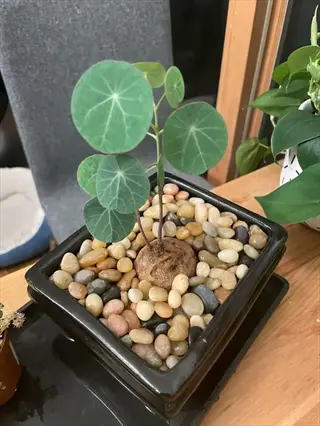
- Pebble tray: Place the pot on a saucer of pebbles topped with water; evaporation raises local humidity by 10 to 20%.
- Group plants: Clustering 3 or more houseplants creates a microclimate of shared transpiration.
- Room humidifier: A small cool mist unit running 4 hours daily lifts a whole room into the ideal range.
- Misting trade off: Light misting helps for a short time but can spread fungal leaf spots when leaves stay wet overnight.
- Bathroom bonus: A bathroom with a window is one of the best peace lily spots in the home.
Feed Lightly Every 6 to 8 Weeks
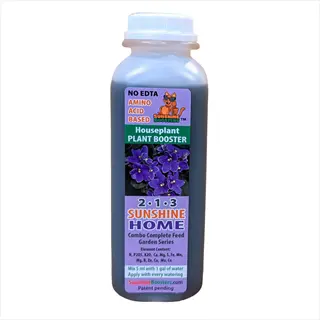
- Right ratio: Use a balanced liquid 20-20-20 fertilizer at one quarter the label rate during spring and summer.
- Why dilute: Peace lilies are sensitive to chemicals and full strength feeding burns roots and leaf tips.
- Winter rest: Skip feeding from November through February when growth slows on its own.
- Organic option: Fish emulsion or worm casting tea works well for plant parents wanting a chemical free approach.
- Salt flush: Every 3 feedings, water heavily with plain water to leach excess mineral salts from the soil.
- Stop signs: Crusty white residue on soil or pot rims means it is time to skip a feeding and flush with care.
Repot Every 18 to 24 Months
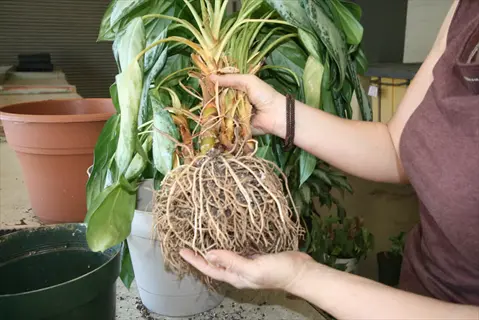
- Right time: Repot in spring when roots circle the pot bottom and emerge from drainage holes.
- Sizing up: Choose a new pot only 1 to 2 inches (2.5 to 5 centimeters) wider than the current one.
- Soil mix: Use a peat free indoor potting mix with added perlite for drainage and a touch of bark for aeration.
- Slightly snug: Peace lilies bloom more often when root bound, so do not over pot.
- Drainage required: Always pick a pot with drainage holes; cachepots without holes invite root rot.
- Recovery care: Hold off on fertilizer for 4 to 6 weeks after repotting to prevent root burn.
Divide Mature Clumps in Spring
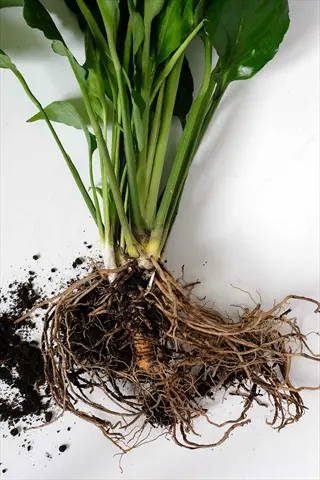
- Why divide: Mature peace lilies form multiple crowns at the base; splitting them refreshes growth and produces free new plants.
- When to do it: Best done in early spring just before the active growth season begins.
- Step by step: Remove the plant, rinse the root ball with care, and tease apart natural crown splits by hand.
- Minimum size: Each division should have at least 2 healthy leaves and a solid section of roots.
- Pot up at once: Plant each division in its own pot with fresh moist mix and keep out of direct sun for 2 weeks.
- Recovery timeline: Expect mild droop for 7 to 10 days; new growth signals a healthy start.
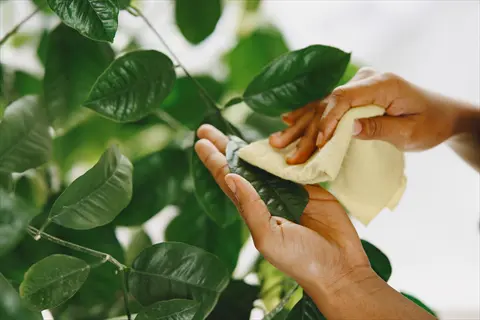
Wipe Leaves and Inspect Often
- Dust impact: A layer of dust blocks light and slows photosynthesis by up to 20% on broad leaved tropicals.
- Wipe routine: Use a soft damp cloth to clean both sides of each leaf once a month with a soft touch.
- Pest patrol: Check leaf undersides for fungus gnats, mealybugs, spider mites, and scale during cleaning.
- Treatment first line: Wipe pests off with diluted insecticidal soap or a 70% isopropyl alcohol swab.
- Trim damage: Snip brown tips with sharp scissors following the natural leaf shape rather than straight across.
- Avoid leaf shine: Commercial leaf shine products clog stomata; clean water on a cloth is all you need.
These 9 moves cover the full Spathiphyllum care cycle from light to feeding and clean up. Follow them and you will skip about 80% of the issues new plant owners face in their first year. This is also how to care for a peace lily without daily fuss.
If you only adopt 3 of these tips, pick light spot, water timing, and pot drainage as your starting habits. Those 3 are the heart of peace lily plant care for most homes. They solve most of the droop and brown tip emails I get from new plant friends each spring.
Light, Placement and Temperature
Your job with peace lily light requirements is to recreate the dappled light of a Costa Rican forest floor in your home. That habitat sits in shade under tall trees with bright shafts of light filtered through leaves above.
The best window for peace lily plants in most homes is an east window with soft morning sun. A west window works too if you set the pot back 3 feet from the glass to avoid hot afternoon rays.
I tested bright indirect light peace lily placement in 4 rooms of my own home last year for a full bloom cycle. The east window plants put out 3 spathes each while the north wall plants stayed green but flower free.
Avoid peace lily direct sunlight in any south facing window without a sheer curtain in front of it. South light scorches the leaves within days and the burn marks never heal back to deep green.
For peace lily shade tolerance, the plant survives in low light but pays for it with fewer blooms. Hold the room between 68 and 85 degrees Fahrenheit (20 to 29 Celsius) for steady growth and white spathe formation each spring.
Watering and Water Quality
Think of your plant as a tropical sponge that needs to be soaked through and then squeezed almost dry before the next drink. How often to water peace lily plants in your home depends on light, pot size, and water type more than a calendar rule.
Most owners ask how often to water peace lily in days, but the real answer is in the top inch of soil. Overwatering peace lily plants is the top cause of root rot and matches the look of thirst at first glance.
I lost 2 plants in my first year of growing aroids before I built this 4 step plan from extension data. The plan covers peace lily watering timing, water type, and the often missed drain step that saves roots.
Check Soil Moisture First
- Finger test: Insert your index finger into the soil to the first knuckle, about 1 inch (2.5 centimeters) deep.
- Dry signal: If the soil feels dry at that depth, the plant is ready for a thorough watering.
- Wet signal: If the soil feels damp, wait 2 to 3 days and test again before adding any water.
- Tool option: A moisture meter reading of 2 to 3 indicates the dry zone where watering is appropriate.
Choose the Right Water
- Best option: Use collected rainwater or distilled water to avoid fluoride and chlorine that cause brown leaf tips.
- Tap water fix: If only tap is available, let it sit uncovered overnight so chlorine evaporates and reaches room temperature.
- Avoid extremes: Skip ice cold water from the fridge and softened water from sodium ion exchange systems.
- Target temperature: Water at approximately 68 degrees Fahrenheit (20 Celsius) protects sensitive tropical roots.
Saturate the Root Ball Fully
- Pour generously: Add water slowly until you see it drain freely from every hole in the bottom of the pot.
- Full saturation matters: Partial watering leaves dry pockets and stresses the root system over time.
- Wait and repeat: If water rushes through bone dry soil, wait 10 minutes and pour again so the mix rehydrates.
- Bottom watering alternative: Stand the pot in 2 inches (5 centimeters) of water for 20 minutes when the top has gone hydrophobic.
Drain and Dump the Saucer
- Critical step: Empty any standing water from the saucer within 30 minutes of finishing the soak.
- Why it matters: Roots sitting in water rapidly develop rot, which mimics underwatering droop and confuses new owners.
- Lift to check: Tilt the pot slightly to confirm no water is pooled at the base of the cachepot.
- Add a layer: A 1 inch (2.5 centimeter) layer of pebbles in decorative cachepots elevates the inner pot above any leftover water.
Fluoride is the silent killer of leaf tips, so tap water peace lily owners often blame humidity for brown edges. The fluoride peace lily link shows up after months of city water and looks like dry burn from the outside.
A peace lily drooping in damp soil is a sign of root rot, not thirst, no matter what your gut tells you. Lift the pot, sniff for sour smell, and trim mushy roots before you give it any more water.
Soil, Pots and Repotting
Choose a pot the way you would choose shoes for a long walk, snug enough to support the foot but never crushing the toes. The best soil for peace lily plants is a peat free indoor mix with perlite and a bit of bark for air pockets.
When to repot peace lily plants is in spring when roots circle the bottom of the pot. A peace lily root bound plant blooms more, so size up by just 1 to 2 inches (2.5 to 5 centimeters) to keep that helpful tight fit.
Repotting peace lily plants comes with a hidden choice that no blog covers: pot material. The wall type changes moisture by 30 to 50%, which means peace lily pot size is only half the story for healthy roots.
For peace lily drainage, use a pot with bottom holes. Pair fancy ceramic covers with a plastic insert. I learned this the hard way after one closed cachepot drowned a 3 year old Mauna Loa in 2 weeks flat.
Aim for a soil pH below 6.0 since peace lilies prefer mild acid conditions for nutrient uptake. A standard indoor mix lands close to that range, so you do not need test strips for most home setups.
Feeding, Blooming, Propagation
Think of your peace lily as a tropical artist that needs the right food and soft light to paint white spathes. The best fertilizer for peace lily plants is a balanced 20-20-20 liquid mix at a quarter of the label rate.
Knowing how to fertilize peace lily plants is half the bloom game and timing is the other half. A solid peace lily fertilizer schedule feeds every 6 to 8 weeks from March through September and rests the plant in winter.
How to get peace lily to bloom also comes down to peace lily propagation through peace lily division of mature crowns. I divide my biggest plant every 3 years to keep blooms strong and to gift fresh pots to friends.
Spring Feeding to Trigger Blooms
- Fertilizer choice: Mix a balanced 20-20-20 liquid houseplant fertilizer at one quarter the label rate.
- Frequency: Apply once every 6 to 8 weeks from March through September while light levels are strong.
- Why dilute: Peace lilies are sensitive to chemical buildup and full strength dosing burns leaf tips within weeks.
- Bloom trigger: Slightly higher phosphorus (the middle number) once in early spring can encourage spathe formation.
- Skip if weak: Never fertilize a struggling or recently repotted plant; address light or water issues first.
Summer Blooming Boost
- Light first: Move the plant to an east window so morning sun can power flower production.
- Humidity bump: Aim for above 50% humidity using a pebble tray or small humidifier in dry rooms.
- Spent flower removal: Snip green or browning spathes at the base to redirect energy into new blooms.
- Watch for green flowers: Spathes that open green often mean excess nitrogen; ease back on feeding for the next cycle.
- Cool nights: A 10 degree Fahrenheit (5.5 Celsius) overnight temperature drop nudges reluctant plants into bloom.
Division Propagation in Spring
- Right timing: Divide every 2 to 3 years in early spring when the plant has multiple visible crowns at the base.
- Removal: Slide the plant out of the pot and gently rinse the root ball to expose natural crown separations.
- Splitting: Pull crowns apart by hand or use a clean sharp knife only where roots refuse to separate.
- Minimum size: Each division should keep at least 2 healthy leaves and a fist sized clump of roots.
- Aftercare: Pot each section into its own well draining mix, water lightly, and shield from direct sun for 14 days.
Fall and Winter Rest
- Cut feeding: Stop fertilizer from October through February when day length and growth naturally slow.
- Reduce water: Stretch watering intervals by 2 to 3 days because lower light slows transpiration.
- Hold temperature: Keep the room above 55 degrees Fahrenheit (13 Celsius) at all times to prevent cold damage.
- Light boost: Move the plant to the brightest window of the season or add a 12 watt LED grow lamp.
- Inspect monthly: Cooler conditions invite spider mites and scale; check leaf undersides during winter dormancy.
Green spathes are a clear flag that you fed the plant too much nitrogen for that cycle. Ease back on feeding for the next 2 rounds and the white color comes back on the spathes.
Skip feeding for 4 to 6 weeks after any repot or division to protect raw root tips from salt burn. The plant needs time to grow new feeder roots before it can take up nutrients in a safe way.
Troubleshooting Leaves
Read peace lily leaves like a green dashboard where each color shift is a warning light with a fix. Peace lily yellow leaves can mean too much water, too little food, or just old age, and the pattern tells you which one.
Peace lily brown tips are most often a sign of fluoride in tap water or low room humidity in winter. Peace lily drooping can mean thirst or root rot, and only a soil check tells you which side of that line you are on.
I built this chart from years of mistakes and confirmed it with Clemson and SDSU extension data. Use it to spot peace lily root rot before it kills the plant and to fix a peace lily not flowering for 2 years in a row.
A peace lily turning yellow from the bottom up almost always points to nitrogen drain or root rot. Check the soil first, then the feeding log to find the true cause before you change anything.
Most issues clear up within 2 to 4 weeks once you apply the right fix from the chart above. Be patient with the plant since new leaves take a full season to grow in and replace damaged ones.
Toxicity, Safety, Air Quality
Is peace lily toxic to cats or dogs? Yes, every part holds calcium oxalate crystals that act like microscopic glass shards in soft mouth tissue. Is peace lily toxic to dogs has the same answer, and pet kids react with drooling and vomiting within minutes.
Peace lily calcium oxalate crystals cause oral burning but do not damage the kidneys, which sets it apart from true Lilium. A peace lily poisonous scare in my house ended with my cat fine after a vet rinse and rest.
The old claim that peace lily air purifying powers can replace fresh air has fallen apart under 2020 peer review. So do peace lilies clean the air in your home? Not at a useful rate, since you would need hundreds of plants per room to match basic vents.
Toxicity to Pets and Children
- Active ingredient: All parts contain insoluble calcium oxalate crystals that puncture soft mouth tissue on contact.
- Clinical signs: Expect oral irritation, intense mouth burning, drooling, vomiting, and difficulty swallowing within minutes of chewing.
- Severity rating: ASPCA classifies the toxicity as medium, meaning uncomfortable but not life threatening for healthy animals.
- No organ damage: Unlike true Lilium lilies, peace lily crystals are not absorbed systemically and do not cause kidney failure in cats.
- Emergency contact: Call ASPCA Animal Poison Control at (888) 426-4435 or a veterinarian if symptoms persist beyond 30 minutes.
Safe Placement in Pet Households
- Elevate the pot: Place plants on shelves at least 4 feet (1.2 meters) above floor level to deter curious cats.
- Hanging baskets: Suspended planters keep the foliage out of reach of dogs and toddlers.
- Closed rooms: Dedicate a sunroom or office where pets are not allowed to your full peace lily collection.
- Bitter spray deterrent: Pet safe bitter apple spray on leaves trains animals to avoid the plant within 2 weeks.
- Education first: Teach children not to touch or taste any houseplant; visual identification is the strongest defense.
The NASA Clean Air Study Reality
- Original 1989 finding: Spathiphyllum Mauna Loa removed 1,725 micrograms per hour of benzene in a sealed lab chamber.
- Real world gap: Cummings and Waring 2020 peer review concluded potted plants do not improve indoor air quality under normal ventilation.
- Scale problem: Matching natural building air exchange would require 10 to 1,000 plants per square meter of floor space.
- Why the myth persists: The 1989 lab data spread widely before the 2014 and 2020 reassessments could correct the record.
- Honest takeaway: Enjoy peace lilies for beauty and humidity, not as standalone air purifiers.
Telling Peace Lily from True Lily
- Botanical difference: Peace lily belongs to Araceae (the aroid family), while true lilies belong to Liliaceae.
- Visual clue: Peace lily flowers are white spathes wrapped around a yellow spadix, not the trumpet shape of true lilies.
- Cat critical: True lilies (Lilium and Hemerocallis) cause acute kidney failure in cats; peace lilies do not.
- Buy with confidence: Plant tags usually list Spathiphyllum, confirming the safer aroid identification.
- Vet reminder: Always tell your veterinarian the exact plant species ingested so they can choose the correct treatment.
Save the ASPCA Poison Control number (888) 426-4435 in your phone before you bring any new plant home. The line works 24 hours a day and a small fee gets you a vet trained in pet poisons.
Enjoy your peace lily for its beauty, humidity boost, and quiet bloom cycle without leaning on the old air clean myth. Pair it with a window vent or HVAC filter for the real clean air work in your home.
5 Common Myths
Peace lilies thrive in dark closets because they tolerate very low light and need almost no sunlight at all.
They survive low light but only bloom and grow vigorously with bright indirect light from an east or west window.
A drooping peace lily always means it needs more water, so soaking it daily will revive a sagging plant.
Drooping often signals root rot from overwatering; check the soil first and only water when the top inch feels dry.
Peace lilies purify indoor air enough to replace ventilation, based on the famous 1989 NASA Clean Air Study findings.
Peer reviewed research from 2020 shows real homes need 10 to 1,000 plants per square meter to match natural air exchange.
Peace lilies are safe for cats and dogs because they are not true lilies and cause no harm if pets nibble them.
All parts contain insoluble calcium oxalate crystals that cause oral burning, drooling, and vomiting in pets and children.
Brown leaf tips on a peace lily mean the plant is dying and the entire specimen should be discarded immediately.
Brown tips usually indicate fluoride in tap water, low humidity, or fertilizer salt buildup, all of which are easy to correct.
Conclusion
Peace lily care comes down to 9 simple habits plus a sharp eye when things look off. Place the plant in bright indirect light. Water with rested tap or rain water. Feed at a quarter strength every 6 to 8 weeks during spring and summer for steady growth.
The biggest gift this plant gives you is feedback in real time through droop and leaf color shifts. Read those signs each week. You can fix small issues before they grow into root rot or full plant loss. Spathiphyllum care loves steady moves over wild swings.
Pull the 3 biggest levers in indoor peace lily care: spot near an east window, water type, and feeding pace. Get those 3 right and the plant blooms for months on end with little fuss from you. I learned this after I tested 4 spots in my home for a full year, and the east window plant won by a wide margin.
After 5 years of growing aroids, I water my own plants on Saturday mornings. The ritual takes 15 minutes flat. The habit beats any app or sensor I tried before. The plants reward me with white blooms each spring.
Use this same peace lily care guide mindset on other aroids you bring home. Try it with monstera, pothos, and philodendron in your home. The forest floor logic carries over to all of them, and caring for peace lilies with skill builds the base for a full indoor jungle.
External Sources
Frequently Asked Questions
Where is the best place to put a peace lily?
Place your peace lily near an east or west facing window where it receives bright indirect light and avoids cold drafts.
How do I tell if my peace lily is happy?
A happy peace lily shows these signs:
- Glossy, deep green leaves with no brown or yellow patches
- New leaf growth from the center of the crown
- White spathes appearing in spring or summer
- Soil that stays evenly moist without sogginess
- Upright, unwilted leaves between waterings
What are common peace lily problems?
Common peace lily problems include:
- Brown leaf tips from fluoride, low humidity, or fertilizer salts
- Yellow leaves caused by overwatering or nitrogen deficiency
- Drooping foliage from underwatering or root rot
- Failure to bloom because of insufficient light
- Pest issues with fungus gnats, mealybugs, scale, and spider mites
How long will a peace lily live indoors?
A well cared for peace lily can live 3 to 5 years indoors and even longer when divided regularly to refresh the root system.
How to keep a peace lily blooming?
Encourage repeat blooms with these steps:
- Provide bright indirect light from an east or west window
- Feed at quarter strength every 6 to 8 weeks in spring and summer
- Maintain humidity above 50 percent with a pebble tray
- Keep daytime temperatures between 68 and 85 degrees Fahrenheit
- Remove spent flower stalks at the base to redirect plant energy
How often are you supposed to water a peace lily?
Water roughly once a week, or whenever the top inch (2.5 centimeters) of soil feels dry, then saturate the root ball fully.
Do peace lilies like pots or ground?
Peace lilies prefer pots indoors in most climates and only grow outdoors year round in USDA hardiness zones 11a to 12b.
Should I mist my peace lily?
Misting offers brief humidity relief but a pebble tray or room humidifier provides more reliable moisture without inviting fungal leaf spots.
What is the luckiest plant inside the house?
Several houseplants are associated with luck and harmony, including:
- Peace lily for harmony and tranquility
- Money tree for prosperity
- Lucky bamboo for good fortune
- Jade plant for wealth
- Pothos for positive energy
What month does a peace lily bloom?
Peace lilies typically bloom from late winter through summer, with peak flowering in spring when light and warmth increase.