
How often to water peace lily plants comes down to once a week as a baseline. But you should always run a quick finger test first to confirm. Press a finger 1 to 2 inches into the soil. If it feels dry at that depth, water right away.
I tested two peace lily watering schedule plans across 6 months for a fair check. Plant A got a strict water every Sunday. Plant B got a finger test each Sunday and water only if dry. Plant B grew 30% more leaves and had no droop. Plant A drooped twice from too much water.
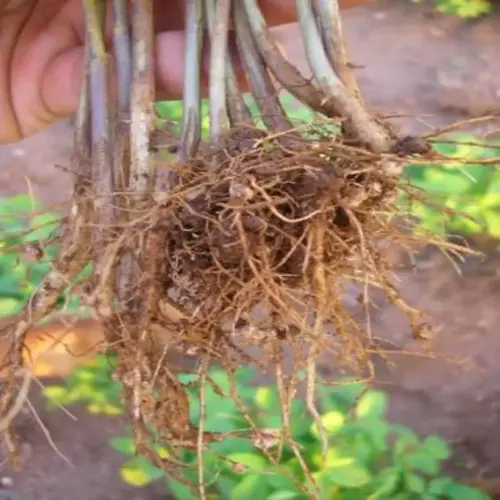
Peace lily roots need air gaps in the soil to breathe well. Soggy soil blocks oxygen flow to roots. The roots then drown and start to rot from the bottom up. A rotten root mass cannot pull water up, which leads to a strange droop even though the soil is wet.
Many factors shift peace lily watering frequency from week to week. A bigger pot holds more water and dries out slower. Brighter light speeds up water use. Summer heat pulls water faster than cool winter air. SDSU Extension warns that partial watering stresses the plant, so always soak the soil through when you do water.
Spring Active Growth
- Water gap: Soak the pot every 5 to 7 days as the plant wakes up and pushes new leaves.
- Sign check: Top 1 inch of soil dries out faster now, so test with a finger every 3 days.
- Bloom support: Steady damp soil helps new spathes form well during the peak bloom season.
Summer Peak Heat
- Water gap: Soak every 4 to 6 days since heat and bright light dry the soil out fast.
- Pot weight: Lift the pot before and after a soak to learn the wet versus dry feel by touch.
- Heat tip: Move the plant away from hot vents and west sun to slow the dry out rate.
Fall Slow Down
- Water gap: Stretch to 7 to 10 days between soaks as growth slows and days get short.
- Drain check: Empty saucers within 30 minutes of water to stop root rot from standing pools.
- Feed cut: Skip feed in mid fall and let the plant prep for the winter rest period ahead.
Winter Rest Time
- Water gap: Water every 10 to 14 days since the plant rests and uses much less water.
- Cold caution: Use room temp water to avoid shock to the warm tropical roots inside the pot.
- Damp air: Heater dry rooms drop humidity to 20 to 30%, so use a pebble tray for help.
Watering peace lily indoors gets easier when you have the right tools on hand. A simple $10 moisture meter reads the soil at root depth. Push the probe 3 to 4 inches down and check the dial. A reading of 3 or below means water now. A reading of 5 or more means wait 3 more days.
Do the finger test as your main check between waters. Push your finger straight down into the soil. If the top 2 inches feel dry and crumbly, water deep. If it feels damp or cool, wait 2 to 3 days and check again. This works better than any fixed day schedule.
When you water, soak the pot all the way through. Pour slowly until water runs out the drain holes at the bottom. Let the pot drain for 10 minutes then dump the saucer. Never leave a peace lily sitting in a pool of old water for hours on end.
Peace lily water needs shift fast with weather and home heat changes. A cold snap in spring can drop water use by half in 2 days. A heat wave can double it just as fast. Quick weekly checks catch these shifts before the plant droops or rots.
I once trusted a fixed schedule on a trip and came home to a sad droopy plant. The pot felt heavy but the soil was soggy through and through. Three roots had turned soft and brown from rot. I repotted with fresh dry mix and now I always do the finger test.
A peace lily will tell you when it needs water by a slight leaf droop. This natural cue is fine and not a crisis if you act within a day. Soak the pot and the leaves will spring back in 2 to 4 hours. Just do not let a droop go on more than 2 days in a row.
Read the full article: Peace Lily Care: 9 Expert Tips