
Vermiculite does not cause root rot on its own, but it can lead to vermiculite root rot when you overuse it with the wrong plants. The mineral holds water, so a heavy dose in soggy soil keeps roots wet and starved of air. That is the exact setup rot needs to take hold.
I pulled a dead pepper seedling off my basement shelf one March. The stem had gone black and mushy right at the soil line, and the top flopped over leggy and pale. The tray below it sat heavy and dark, water beading on the surface days after I last watered. That seed mix was almost half vermiculite, and it never dried out down where the roots lived.
The mineral behaves like a sponge that refuses to wring itself out. Each flake pulls water in and lets it go slow, so the root zone stays damp far longer than plain soil would. In a mix that already drains well, that steady moisture is a gift. In wet or heavy ground it turns into a trap that holds water against the roots with no break.
Roots need air as much as they need water. When soil drainage is poor and you pile in vermiculite, the gaps that should carry oxygen fill with water instead. The root zone goes airless and stays that way. Roots that sit in airless, soggy soil suffocate, and the weakened tissue gives rot fungus an easy way in.
This is really a problem of overwatering plants by accident. You water on your normal schedule, the surface dries and looks ready for more, but a deep core of vermiculite is still holding the last drink. So you water again too soon. Each round adds water the soil cannot shed, and the roots never get the dry spell they need to breathe.
Your risk of vermiculite root rot swings hard based on what you grow. Match the plant to the moisture and you sidestep most trouble.
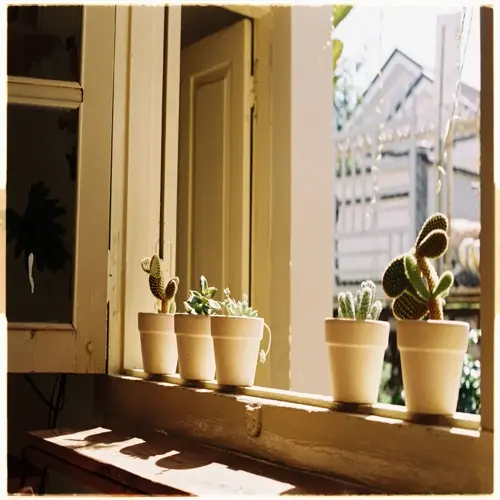
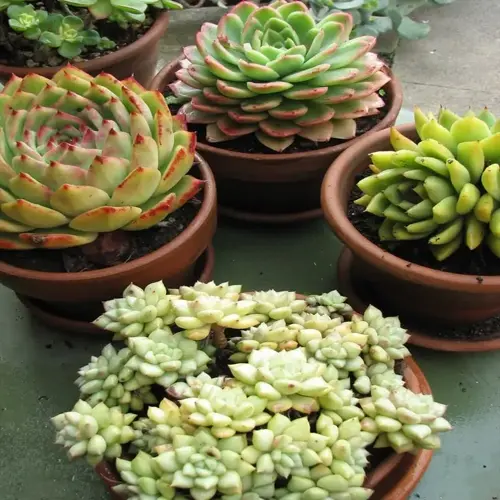
Drought-tolerant plants like succulents are the most at risk. Their roots want to dry out between drinks, and vermiculite denies them that. Heavy clay soil ranks just as high, since it drains slow already and the added mineral only seals in more water. The lowest risk goes to thirsty seedlings like tomatoes and peppers planted thin, because they pull the moisture out fast before it can stagnate. My dead pepper was the exception, drowned by a mix that was far too rich in vermiculite for one tiny plant to drink down.
Keep vermiculite to about one-third of your mix at most, and less for anything that likes dry feet. That cap gives you the moisture buffer without choking the roots. Going past it is where most growers tip over into trouble.
Pair it with perlite to bring back the airflow. Perlite holds almost no water and props open little air pockets, so the two balance each other. A blend of one part vermiculite, one part perlite, and a couple parts soil or compost gives you damp roots that can still breathe between waterings.
Fix the drainage before you add anything to soggy ground. If a bed stays wet, work in coarse grit or compost and raise it up rather than reaching for vermiculite. In pots, make sure every container has open drain holes and let the water run all the way through after each drink. Never let a pot stand in a full saucer, since that one habit undoes good drainage and brings the rot risk right back.
Read the full article: Vermiculite Soil: A Complete Garden Guide