
You do not always need vermiculite soil to grow good plants. The honest answer is that its value depends on what you are growing and how fast your mix dries out. For seed trays and thirsty plants it earns a spot fast. For cacti and free-draining beds you can skip it without a second thought. So before you buy a bag, look at the plants you want to feed and the way your current mix behaves on a hot afternoon.
Two batches of tomato seed mix sat side by side on my basement shelf last March. One held a third vermiculite, the other was straight peat and compost with none. The plain batch dried to a pale crust by lunch and begged for water every single day. The vermiculite batch stayed dark and damp, and I watered it maybe twice a week. Same shelf, same grow light, same room. The only change was those soft gray flakes pulling their weight.
That gap shows you where vermiculite actually matters. It pays off most for seed starting, where tender roots hate the swing from soggy to bone dry. It helps moisture-loving plants like ferns and peace lilies that sulk the moment their roots dry out. And it rescues sandy soil that drains so fast the water runs through before roots can drink. In those spots the flakes act like a buffer, holding water and feeding it back over days instead of hours.
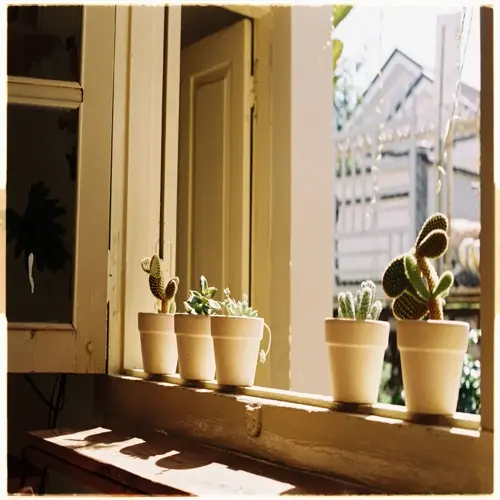
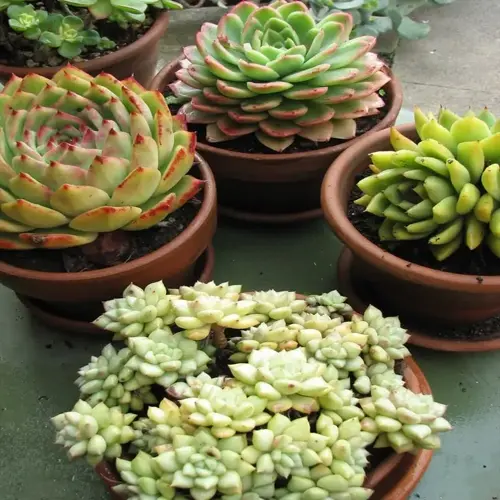
But plenty of setups do fine with no vermiculite at all. A free-draining bed that already stays moist gains nothing from more water-holding flakes. Drought-tolerant plants want the opposite of what vermiculite gives, since they rot in a root zone that never dries. If your mix holds water well on its own, adding vermiculite can tip it into soggy ground that smothers roots. Match the amendment to the real problem, not to the bag a store happened to put on sale.
Say you want more moisture but skip the flakes. A few easy vermiculite alternatives can do the job for you. Coconut coir holds water well and breaks down slower than peat. Compost adds moisture and feeds your plants at the same time. Peat moss soaks up water like a sponge, though it dries hard if you ever let it go fully dry. Any of these can lift the water-holding side of your soil mix ingredients without a single flake of vermiculite.
- Vermiculite for steady seed-tray dampness.
- Coconut coir for slow, even water holding.
- Compost for moisture plus plant food.
- Peat moss for a sponge-like soak.
- Perlite for fast drainage and air gaps.
- Coarse sand for cacti and succulents.
- Less water-holding stuff in the blend.
- Wider pots that dry out quicker.
When drainage is the real worry, vermiculite is the wrong tool and you want the opposite traits. Reach for perlite, the white puffed beads that hold air and let water rush through. Coarse sand does the same job for heavy clay and works well under cacti and succulents that crave a dry root zone. These keep your mix loose and quick to dry, so picky roots get the air they need between drinks instead of sitting in a wet sponge.
Here is the rule I follow with my own pots. Add about one-third vermiculite when steady moisture helps your plant, such as seedlings, ferns, and anything that wilts the day you forget the hose. Blend that third with peat or compost and your mix holds water without turning to mud. Skip vermiculite for cacti, succulents, and any soil that already stays wet. You need vermiculite soil only where slower drying helps, so look at the plant and how fast your mix dries, then add it there and nowhere else.
Read the full article: Vermiculite Soil: A Complete Garden Guide