
I watched my windowsill zebrina push out three new leaves in about five weeks one spring. It had sat frozen and unchanged since the fall before. I almost gave up on it. Nothing moved for months. Then the days got longer. The room warmed up. I came home one evening and saw a fresh spear poking up from the soil. The plant woke like someone flipped a switch.
Yes, Alocasia zebrina grows fast when your conditions are right. But it does not grow at a steady pace all year. The alocasia zebrina growth rate speeds up in warm, bright, humid weather. It slows or stops cold in winter. So the honest answer is that your plant grows in waves, not in a straight line.
That spring burst was no accident. The trigger was lengthening light and rising warmth. The date on the calendar had little to do with it. I had not changed a thing about my care routine that month. Only the light coming through the window had changed. Your plant reads its surroundings, and those surroundings tell it when to work and when to rest.
Light is the biggest lever you have. Research on alocasia growth links more monthly sunshine to more mature leaves. So leaf production tracks your light, warmth, and humidity far more than time alone. Give your plant a bright spot near a window. You feed the engine that drives its growth, and the speed follows from there.
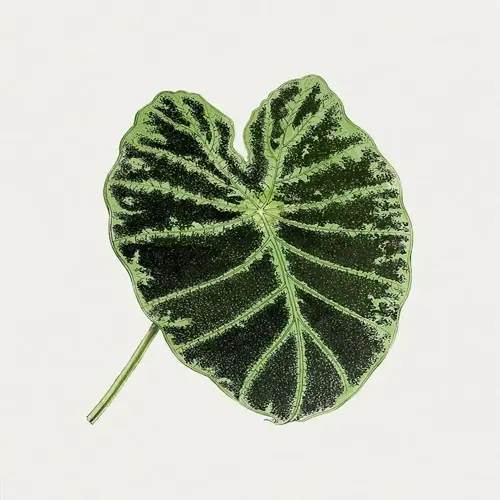
Each new leaf unfurls on its own tall, speckled stem. Your plant rarely holds many leaves at once. A zebrina often drops an older, tired leaf as a fresh one opens. So your leaf count stays around four to six leaves even during a strong run. You gain a leaf and lose a leaf. That is normal, and it is not a sign of trouble.
During the growing season in spring and summer, expect a fresh leaf every two to four weeks. Your plant needs to be warm, bright, and humid for that pace. Through winter, growth slows to a crawl or stops. Your plant may go fully dormant for a while. A still zebrina in January is resting, not dying. So hold off on heavy water and food until your light returns in spring.
Spring
Light returns and the plant wakes up. New leaves start to push, often the first flush of the year.
Summer
Peak speed. A fresh leaf every two to four weeks in bright, warm, humid air with regular feeding.
Fall
Growth tapers as days shorten. The plant slows down and may hold its current leaves without adding more.
Winter
Rest or full dormancy. Little to no new growth, so cut back on water and stop feeding.
To push faster growth, stack the conditions your plant wants. Move it to the brightest spot you have without harsh midday sun. Keep your room above 65°F (18°C). Raise your humidity past 60% with a pebble tray or a small humidifier. Feed a diluted balanced fertilizer every two to four weeks from spring through summer. Then stop once your days shorten and growth tails off.
Do not expect any of this in a dark, cool, dry corner. Starve your plant of light and warmth and even a healthy zebrina just sits there. That is why so many people think their plant has stalled for good. I made that mistake once with a plant tucked behind a curtain. It did nothing for an entire season. Get your basics right instead. You will watch a new leaf climb out of the soil on a fresh striped stem, sometimes faster than you can keep up with.
Read the full article: Alocasia Zebrina Care Guide