
Introduction
The Alocasia Polly stops people in their tracks. Its leaves are dark, glossy, and shaped like arrowheads, and bold white veins run across each one. The edges ripple in a soft wave that makes the whole plant look hand-carved. You also see it sold as the African mask plant, and that name fits the dramatic, sculpted look.
This is a compact hybrid cultivar, so it stays small and tidy on a shelf or table. A mature Polly reaches about 1 to 2 feet (30 to 60 cm) tall and just as wide. Each leaf can grow up to 16 inches (40 cm) long, which is plenty of drama for such a neat footprint. The plant is a cross known as Alocasia amazonica, and it has never grown in any jungle. It was bred for homes.
Polly has a scary reputation, and most care posts make it worse by stopping at one vague line about light and water. This guide goes deeper. You get real care steps paired with sourced safety facts. You also get a full dormancy section and a hands-on troubleshooting walkthrough. The Polly is the most popular Alocasia people grow indoors, so you are far from alone if you feel nervous about it.
Here is the good news. The routine is learnable, and it works fine as a beginner houseplant once you know what it wants. My first Polly dropped 3 leaves in its first month, and I almost tossed it. It came back, and the fix was simple. Give it bright indirect light, the right watering rhythm, and a bit of humidity, and it settles down. By the end of this guide you will know how to keep a Polly alive, handle it safely around kids and pets, and rescue it when the leaves start to drop.
Alocasia Polly Care Basics
Good Alocasia Polly care comes down to five things you can learn in a minute. Get the light, water, warmth, humidity, and soil right, and this plant rewards you with those bold arrow leaves and bright silver veins. The grid below gives you the quick numbers, then I break each one down in plain words.
Think of Polly as a rainforest understory plant. On the forest floor it sits under a canopy, so it gets soft dappled light, steady warmth, and damp air all day. Copy that and you win. Park it on a hot dry windowsill in full sun and you will fight it the whole way.
I keep one Polly on a plant shelf right beside a bright east-facing window, where it catches gentle morning light and skips the harsh afternoon sun. It has put out three new leaves since spring and holds its color well in that spot.
Light comes first. Polly wants bright indirect light near a window, not direct rays that scorch the leaves. Water is next. Keep the soil lightly moist but never soggy, since wet roots are the fastest way to kill this plant. Use a well-draining soil, something airy that holds a little water and drains the rest fast.
Warmth and humidity round it out. Aim for 65 to 80°F (18 to 27°C) and keep it away from cold drafts and heating vents. Humidity counts too. This tropical houseplant likes damp air around 60% or higher. A pebble tray or small humidifier nearby helps a lot in a dry room.
One note on the numbers. The humidity and temperature figures are guidance, not hard rules, so treat them as targets to aim for. A grown plant stays about 1 to 2 ft (30 to 60 cm) tall and wide, which makes it a tidy fit for a shelf or side table. Outdoors it only lives year-round in USDA zones 10 to 12, so most of us grow it inside.
Light, Water, and Soil
Three things keep an Alocasia Polly happy, and they all feed into each other. Get the light, the water, and the soil right, and the rest of the care is easy. Miss one, and the plant tells you fast with droopy or browning leaves.
Start with light. A spot near an east or north window gives the bright indirect light this plant loves, with morning glow but no harsh midday sun on the leaves. Strong direct sun through a south or west window bleaches and crisps the bold foliage within days. Too little light is just as bad, since the plant stretches and the silvery veins fade.
Watering Alocasia Polly is where most people slip up. Skip the fixed weekly schedule and touch the soil instead. Water only when the top inch feels dry. Aim for moist soil, never a soggy pot. Too much water is the top reason a Polly fails. Empty the saucer and let the soil breathe between drinks. Tap water can also leave brown leaf tips, because Polly reacts to chlorine and other additives. Let water sit out overnight or use filtered water to dodge that problem.
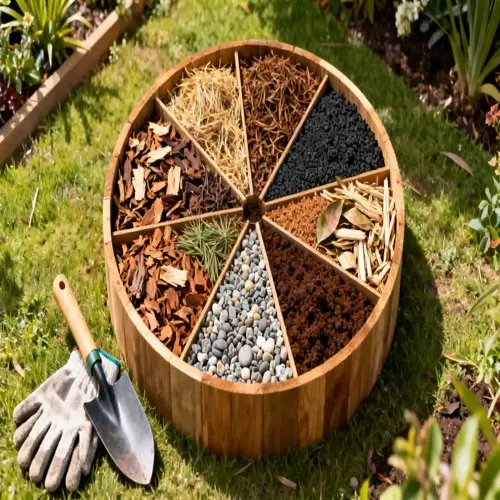
Soil ties it all together. Plant your Polly in a chunky aroid mix that holds light moisture but drains within seconds. A blend of orchid bark, perlite, and coco coir builds the air pockets these tropical roots need to breathe. Fast drainage is your single best defense against root rot, the soggy-soil killer that takes down more Pollys than any pest. The three pillars below break down each one.
Light Placement
- Best spot: Bright indirect light near an east or north window gives strong glow without the harsh midday sun that scorches leaves.
- Avoid: Direct sun through a hot south or west window can bleach and crisp the bold foliage within a few days.
- Too dark: In low light the plant stretches, makes smaller leaves, and loses the silvery vein contrast that makes it special.
- Tip: Rotate the pot a quarter turn each week so every side reaches toward the light and the plant grows evenly.
Watering Rhythm
- Touch test: Water when the top inch (2.5 cm) of soil feels dry, aiming for lightly moist soil rather than a wet or bone-dry pot.
- Drainage: Always use a pot with drainage holes and empty the saucer, because standing water quickly leads to root rot.
- Water quality: Polly can react to chlorine and tap-water additives, so filtered or overnight-rested water helps prevent brown leaf tips.
- Winter shift: Water far less in the cold months when growth slows, keeping the soil barely moist instead of regularly damp.
Soil and Potting Mix
- Aim: Use a chunky aroid mix that holds light moisture yet drains within seconds, never a dense water-holding potting soil.
- Ingredients: A blend of orchid bark, perlite, and coco coir creates the air pockets these tropical roots need to breathe.
- Why it matters: Fast drainage is the strongest protection against the soggy conditions that cause fatal root rot.
- Refresh: Replace tired, compacted mix every couple of years so the roots keep getting oxygen and even moisture.
Putting It Together
- Balance: The three pillars work as a team, since the right soil only protects the roots when watering and light are also dialed in.
- Read the plant: Pale stretched growth signals too little light, while yellowing leaves usually signal too much water.
- Adjust slowly: Change one factor at a time and wait a week or two, so you can tell which tweak actually helped.
- Consistency: Steady, moderate conditions beat dramatic swings, which is what keeps the bold foliage looking its best.
Humidity, Warmth, and Feeding
Think of the air your Alocasia Polly craves as a warm, steamy bathroom right after a hot shower. Dry winter heating and cold drafts off a window are its two worst enemies indoors. Get the moisture and warmth right, and most beginner problems never show up.
Brown, crispy leaf edges almost always mean the air is too dry, not a disease. Alocasia Polly humidity needs sit around 60% or higher, which is hard to hit in a normal living room. So you'll want to raise the moisture on purpose with one of a few simple tricks.
A pebble tray under the pot lifts moisture as the water evaporates. A small humidifier does the job even better and holds a steady level all day. You can also group Polly with other plants so they share one humid pocket of air.
- Pebble tray: Set the pot on a tray of pebbles and water so evaporation lifts humidity around the leaves without soaking the roots.
- Humidifier: Run a small humidifier nearby to hold steady moisture, the most reliable way to reach around 60% or higher.
- Group plants: Cluster Polly with other houseplants so they share a more humid pocket of air through shared transpiration.
- Avoid drafts: Keep the plant away from cold windows, exterior doors, and heating or cooling vents that dry and chill the leaves.
- Hold warmth: Aim for 65 to 80°F (18 to 27°C) and never let it sit below about 50°F (10°C), where growth stalls and leaves suffer.
Warmth matters as much as moisture for this plant. Hold the temperature between 65 and 80°F (18 to 27°C) for steady growth all year. Polly can take a dip to about 50°F (10°C), but any colder and growth stalls while the leaves start to suffer.
Feed your Polly only during the active growing season of spring and summer, when it pushes out new leaves. Use a diluted fertilizer, a balanced formula cut to half strength, so the roots never burn. Stop feeding once growth slows in autumn and winter, since a resting plant can't use the food and will only get stressed.
Toxicity and Safe Handling
The Alocasia Polly toxic label is real. The reason why is more interesting than the one-line warning you get. Every leaf, stem, and root of the plant is full of insoluble oxalates, and each one is a tiny sharp crystal. Many aroids use them to keep animals from eating the leaves.
Picture tiny glass-like needles packed inside special cells. The plant guide from Colorado State University tells us the name for these needles is raphides. The cells act like little pressure ejectors. Bite or chew a leaf and the cells burst. They fire the needles into the soft skin of your mouth and throat.
That makes the plant toxic to cats and dogs. The ASPCA and LSU list it as toxic to horses too. The good news? The danger comes from chewing or swallowing, not from touching. You can keep this plant and care for it without worry. Just handle it with a little common sense.
The Toxic Principle
- Calcium oxalate: Every part of the plant holds insoluble calcium oxalate crystals, the toxic principle confirmed by the ASPCA and LSU School of Veterinary Medicine.
- Raphides: These crystals form sharp needle shapes called raphides, stored inside cells that act like tiny pressurized ejectors.
- The trigger: When the plant is chewed, the cells burst and fire the needles into the soft tissue of the mouth and throat.
- Not an allergy: The result is a direct physical and inflammatory injury, not a true allergic reaction, so anyone can react to it.
Symptoms In Pets
- Who is at risk: The ASPCA and LSU list it as toxic to dogs, cats, and horses if they bite or chew the leaves or stems.
- Mouth signs: Expect oral irritation with intense burning and swelling of the mouth, tongue, and lips soon after chewing.
- Other signs: Excessive drooling, vomiting, and difficulty swallowing are the classic warning signs in cats and dogs.
- What to do: Contact a veterinarian or animal poison control promptly, and keep the plant well out of a curious pet's reach.
Symptoms In People
- Typical reaction: In people the crystals cause a localized inflammatory response with mouth pain, swelling, heavy salivation, and trouble swallowing.
- Severe cases: A documented Toxins 2025 case showed that swallowing concentrated root liquid caused serious effects needing 20 days of hospital care.
- The real danger: The most worrying complication is swelling that affects the airway, which is why any swallowing case deserves medical attention.
- Safe to grow: The plant is safe to keep and handle; simply wash your hands after pruning and never let anyone chew any part of it.
Handling It Safely
- Placement: Set the plant on a high shelf or in a room that curious pets and small children cannot easily reach.
- After pruning: Wash your hands after cutting or repotting, since the sap carries the same irritating crystals as the leaves.
- If chewed: Rinse the mouth and contact a doctor, veterinarian, or poison control rather than waiting to see what happens.
- Stay calm: Casual contact with intact leaves is not the danger; the problem only arises from biting, chewing, or swallowing the plant.
How bad can it get? A 2025 case in the journal Toxins followed a woman who swallowed liquid from a grated root. She got severe symptoms. She survived only after 20 days of hospital care. That is an extreme case from eating the root on purpose, not a brush with a leaf. Still, it shows this plant earns your respect.
For everyday safe handling, keep it simple. Wash your hands after pruning or repotting, since the sap carries the same crystals as the leaves. Set the plant on a high shelf away from pets and small children. Doctors describe the human reaction as a direct injury rather than a true allergy, which means anyone can react to it.
Ingestion of these crystals results in a localized inflammatory response, typically manifesting as irritation, edema, hypersalivation, and dysphagia.
Propagation and Repotting
Here is the first thing to know about Alocasia Polly propagation. You cannot snip a leaf or a stem, drop it in a glass of water, and grow a new plant the way you would with a pothos. Polly does not work like that. It spreads underground instead, so all the real action happens down at the roots.
You have two methods that actually work. The first is division, where you split off the baby plants, called offsets, that sprout from the parent with their own little roots already attached. The second is sprouting the small round corms, which are firm bulb-like nodes that hide in the soil and grow into fresh plants when you give them warmth and moisture.
Both jobs pair well with repotting, so do them at the same time and save yourself the mess. A mature Polly stays small at only about 1 to 2 feet (30 to 60 cm) tall and wide. That means it never needs a giant pot. Move it up just one size larger when you do repot, since a huge container holds too much wet soil and invites root rot.
Do not rush the schedule either. Polly actually likes being slightly rootbound, so plan on repotting only every couple of years. Spring is the sweet spot, right as new growth picks up and the roots are hungry for fresh aroid mix. The steps below walk you through dividing and potting in one go.
Work in spring or early summer as the plant wakes up, so a divided piece has the whole growing season to recover and root in.
Slide the plant from its pot and loosen the soil with light hands so you can see the root ball, offsets, and any firm round corms.
Tease apart natural offsets with their own roots, or pick out corms, and pull with a slow grip so each piece keeps as many roots as possible.
Set each division into a snug pot of airy aroid mix, only slightly larger than its roots, since Polly prefers being a little rootbound.
Water lightly and keep the pieces warm and humid; expect some early drooping, which is normal as the roots re-establish.
I split a crowded Polly on the plant shelf by my bright east-facing window last spring. The divided piece wilted flat within a day. Every leaf went soft and sad-looking. I left the pot alone in warm, humid air, and after about a week the leaves lifted back up on their own. That early droop is normal, not a failure, so resist the urge to drown it in water or shuffle it around the house.
Give a new division the same care you give the parent and it will catch up fast. Bright indirect light, soil kept moist but never soggy, and steady warmth do the heavy lifting. Within a season your one plant turns into two or three healthy ones, free of charge.
Problems, Pests, and Dormancy
Most Alocasia Polly problems trace back to one thing: water. The plant tells you what is wrong through its leaves, and once you learn to read those signs you can fix trouble before it spreads. Use the table below as your fast first check.
Match the symptom you see to the likely cause, then jump straight to the fix. Yellow leaves almost always mean soggy soil, while brown tips point to dry air or harsh tap water. Catch these early and a stressed plant bounces back fast.
Root rot is the worst of these to ignore. Soft, dark roots and a sour smell mean the soil stayed wet too long. Pull the plant, snip away every mushy root, and repot into a fresh airy mix so the rest of the roots can breathe again.
Pests need a closer look than most guides give. Everyone warns you about spider mites, and the fine webbing on the undersides of leaves does give them away. But mealybugs, scale, and fungus gnats all target a Polly too. Treat any of them early with insecticidal soap or neem oil, and wipe the leaves down each week until the bugs are gone.
Now the part that fools almost every owner. One late autumn the Polly on the plant shelf by the bright east-facing window dropped one leaf, then another, until the pot held nothing but bare soil. It looked dead, and it sat by the trash for a week before anyone moved it back. The corm under the soil was still firm, so it stayed put.
That bare pot was not dead. It was in dormancy, the natural winter rest this plant takes when light and warmth drop off. Winter leaf drop scares people into tossing a healthy plant, and that mistake is the number one reason a fine Polly ends up in the bin.
Riding out dormancy is mostly patience. Keep the corm barely moist, never soggy, and hold it somewhere warm out of cold drafts. Cut watering way back, since there are no leaves drawing it up. By spring the same corm pushed out a fresh green shoot, and within a few weeks it carried full leaves again.
5 Common Myths
Alocasia Polly is a wild species collected from the Amazon rainforest, which is why it carries the amazonica name on plant tags.
It is a man-made hybrid first raised at a Miami nursery in the 1950s, and it has never grown wild in the Amazon.
When an Alocasia Polly drops all its leaves in winter, the plant has died and the bare pot should be thrown away.
Leaf loss is usually winter dormancy. Keep the corm barely moist and warm, and new leaves typically push up again in spring.
Alocasia Polly purifies indoor air and removes household toxins like formaldehyde, making it a proven air-cleaning houseplant.
No reliable study tested Polly for air cleaning, so treat air-purifying claims as marketing rather than established fact.
The plant is only mildly irritating, so a chewed leaf is harmless and there is no real need to keep it away from pets.
All parts hold insoluble calcium oxalate crystals that can cause intense mouth pain, drooling, and swelling, so keep it away from pets and children.
You can grow a brand new Alocasia Polly from a single leaf or stem cutting placed in water, just like a pothos.
Polly cannot grow from leaf or stem cuttings. It is propagated only by dividing offsets or separating and potting up its corms.
Conclusion
My first Polly sat sulking on a dim shelf until I moved it 3 feet over to a brighter window. Good Alocasia Polly care comes down to a short recipe you can repeat every week. Give it bright indirect light, keep the soil moist but never soggy, and aim for warm, humid air around the leaves. Stay consistent with those three things and the plant rewards you with those striking silver veins. This is not a plant that needs luck, just a steady hand.
Polly stays small, around 2 feet tall and wide, so it fits a shelf or a bright corner without taking over the room. That compact size makes it easy to manage once you learn its rhythm. But every part holds calcium oxalate crystals, which are toxic to cats, dogs, and curious kids. Set the pot somewhere paws and small hands cannot reach, and you remove the one real risk this plant carries.
Watch your watering and you sidestep the biggest killer, which is root rot from a pot that stays wet too long. Let the top inch of soil dry, use a container with drainage, and your roots stay healthy. Get that one habit right and most of Polly's drama disappears. The fussy reputation fades fast once the basics click into place.
If the leaves drop in winter, do not toss the pot. That is dormancy, not death, and the corm below the soil is simply resting. Keep the soil barely damp, hold off on feeding, and wait. New growth usually pushes up in spring, often stronger than before. Plenty of people throw out a perfectly good plant during this normal rest, so trust the corm and give it time.
Polly earns its place as a rewarding beginner houseplant once you meet its rainforest-style needs. You are not chasing a finicky mystery, you are copying a warm, bright, humid home it already understands. Match that, stay consistent, and the plant settles in for years.
Glossary
- Aroid mix
- A chunky, fast-draining potting blend, often orchid bark, perlite, and coco coir, that keeps tropical aroid roots airy.
- Calcium oxalate
- A natural plant compound that forms tiny insoluble crystals, making the leaves and stems toxic to chew or swallow.
- Corm
- A small underground storage structure that stores energy and can be separated and potted up to grow a new plant.
- Dormancy
- A natural winter rest period when the plant drops its leaves and pauses growth before regrowing in spring.
- Hybrid cultivar
- A plant created by crossing two parent plants and selected by growers, rather than a species found in the wild.
- Raphides
- Sharp, needle-shaped calcium oxalate crystals that get fired into mouth and throat tissue when the plant is chewed.
- Root rot
- Decay of the roots caused by soggy, waterlogged soil, which is the most common reason an Alocasia Polly dies.
- Spathe flower
- The small, hooded aroid bloom made of a leaf-like spathe wrapped around a central spike called a spadix.
External Sources
Frequently Asked Questions
Is Alocasia Polly hard to care for?
It is moderately demanding rather than truly difficult. Match its needs and it stays happy.
Where is the best place to put an Alocasia Polly?
Near a bright window with indirect light, away from cold drafts and direct sun.
Do Alocasia Polly like deep or shallow pots?
A snug pot only slightly larger than the root ball works best.
What are the common problems with Alocasia Polly?
The most common issues are:
- Yellow or drooping leaves from watering errors
- Brown crispy edges from low humidity
- Root rot from soggy soil
- Spider mites and other pests
- Winter leaf drop from dormancy
Is Alocasia Polly toxic to cats, dogs, and humans?
Yes. All parts contain insoluble calcium oxalate crystals that irritate the mouth and throat.
Is Alocasia Polly the same as an African Mask Plant?
Yes. African Mask Plant is just one of several common names for the same hybrid.
Why is Alocasia so difficult to grow?
Indoor homes rarely match the warm, humid, bright conditions Alocasia evolved for.
Do Alocasia Polly bloom, and how do I encourage flowers?
They can produce a small spathe flower, but it is uncommon and unremarkable indoors.
What is the lifespan of an Alocasia?
With good care and corm renewal, an Alocasia can live for many years.
How rare is Alocasia Polly?
It is one of the most widely sold and affordable Alocasias, not rare at all.