
One droopy yellow leaf sends most Polly owners straight to the watering can. That reflex is where the trouble starts. The big Alocasia Polly problems fall into a short list. You get watering mistakes and low humidity. Then come root rot, pests, and winter leaf drop. Almost all of them trace back to one thing, and it is rarely a lack of water.
The plant tells you what it needs through the soil, not the leaves. Stick a finger two inches down before you do anything else. If it feels damp, that sad leaf is a sign of too much water, not too little. A panic pour at that moment is what pushes a stressed plant toward rot. The trick is to read the soil first and let it set your schedule, instead of watering on a fixed day each week.
Most Polly issues come down to water in some form. Give it too much and the roots sit in soggy soil and start to rot. Use harsh tap water full of chlorine and fluoride, and the leaf edges turn crispy and brown. Even yellow leaves usually point back to a pot that stays wet for days. Once you see water as the common thread, the fixes get simple.
Here are the symptoms most owners run into and what each one really means.
Yellow Leaves
- Main cause: Overwatering and soggy soil that suffocates the roots, the single most common reason a Polly leaf turns yellow.
- The fix: Let the top two inches of soil dry out before the next watering, and always empty the saucer.
- Watch for: More than one yellow leaf in a week, which means the soil is staying wet far too long.
Crispy Brown Edges
- Main cause: Low humidity below 50%, plus minerals in hard tap water that build up in the leaf tips.
- The fix: Raise humidity with a pebble tray or a humidifier, and switch to filtered or rainwater.
- Watch for: Dry indoor air in winter, which is when these brown edges show up the most.
Mushy Stems And Wilting
- Main cause: Root rot from standing water, where the base turns soft and the whole plant flops over.
- The fix: Unpot it, cut away any dark mushy roots, and replant in fresh airy soil.
- Watch for: A sour smell from the soil, a clear warning that rot has set in.
Of all the Alocasia Polly problems, root rot is the one that actually kills plants. Overwatering on its own slows the Polly down, but rot ends it. The stem near the soil goes soft and mushy, the leaves wilt no matter how much you water, and the dirt smells sour. Act fast here. Pull the plant out, trim every black root back to firm white tissue, and repot in a chunky mix that drains well.
Pests are the other big threat, and spider mites love this plant. They thrive in the warm dry air of a heated room, the exact opposite of the humidity a Polly wants. Look on the underside of the leaves for fine webbing and tiny pale dots. Wipe the foliage down, then treat with insecticide soap or neem oil every few days until the webbing is gone for good. Higher humidity also makes your plant a harder target, so the same air that prevents brown tips helps keep mites away.
Winter leaf drop scares new owners the most, but it is the one problem you should not fight. As the days get short, a Polly slows down and may drop a few leaves to save energy. This is normal rest, not death. Cut back on water, hold off on fertilizer, and the plant pushes out fresh growth when spring returns.
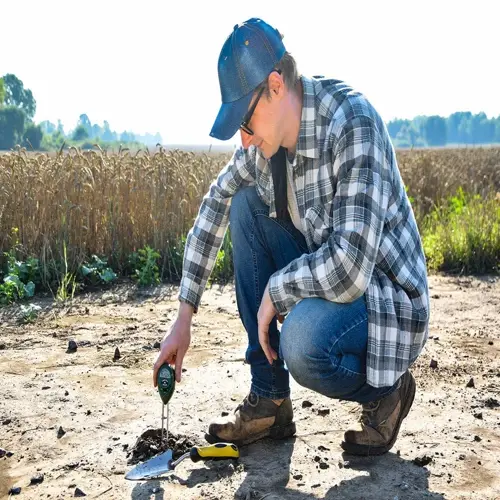
Before you change anything, run a quick check in order. Test the soil moisture and drainage first, since water causes most of the damage. A cheap moisture meter takes the guesswork out of this step. Then judge the humidity and the air around the plant, and move it away from heating vents and cold drafts that dry it out fast. Last, flip the leaves over and hunt for pests. This order keeps you from drowning a thirsty plant or starving a soggy one. Work through it every time, and you will fix most Polly problems without losing the plant.
Read the full article: Alocasia Polly Care: A Beginner Guide