
Introduction
You can turn a tired patch of lawn into a rich garden bed without ever lifting a shovel. Sheet mulching does the work for you while you sit back and wait. You lay down cardboard, add compost, top it with mulch, and let time and soil life break it all down into planting ground.
The recipe is simple and the extension services agree on it. You start with one layer of plain brown cardboard. Add 1 to 2 inches (2.5 to 5 cm) of compost. Then pile on 3 to 4 inches (7.5 to 10 cm) of mulch. These layers break down over six months to a year, and by then you have a bed that smells like fresh earth. The method costs little, takes no digging, and uses no chemicals to smother lawn and weeds.
Think of it like building a thin lasagna on top of your soil, one layer at a time. That picture is why gardeners call this trick lasagna gardening. It is part of the no-dig gardening movement too. Groups like Oregon State, Penn State, and the University of Maine all back it as an easy way to build soil and turn grass into garden.
You will get the honest version here, not just the rosy sales pitch. That means the real science on whether cardboard chokes your soil. It also means the tough weeds this trick cannot kill. So let us start with the layers, the timing, and the proof behind each step.
What Sheet Mulching Is
Sheet mulching goes by a few names. You may know it as lasagna gardening, lasagna composting, or composting in place. They all point to the same thing. You lay a light-blocking sheet over the ground, top it with compost and mulch, and let the stack rot down into a new bed.
It is a no-dig, no-till way to turn lawn or weedy ground into rich soil. Two university extensions, Oregon State and Maine, both back it. The method skips the shovel and the tiller. You build the bed up on top of the dirt. You never tear the dirt apart. That one shift is what lets the whole thing work without herbicides.
The method does four jobs at once. It smothers the grass and plants already growing there. It holds back weeds without chemicals. It adds organic matter as the layers rot down. And it traps soil moisture so the ground below stays damp. You get all four from one weekend of stacking.
The lasagna name fits because each layer has a role. The cardboard is the base that blocks light and starts the kill. The compost is the rich filling that feeds soil life and helps build soil from the ground up. The mulch is the protective top that locks everything in. Over a few months they merge into one finished bed.
None of this is new. The idea traces back to the Ruth Stout no-dig method. It got a second life through permaculture growers. What changed is the backing. Extensions now treat no-dig gardening as a proven way to smother lawn and turn it into garden. Real soil science stands behind it today. Here is what each part of the stack does.
The Light-Blocking Base
- What it is: A single layer of plain brown corrugated cardboard, or roughly 1/4 inch of newspaper, laid flat over mowed lawn or weeds.
- Its job: It blocks sunlight so the grass and emerged weeds beneath it die back instead of growing through into your new bed.
- Why it matters: This light barrier is what lets you skip digging, tilling, and herbicides entirely while still clearing the ground.
The Compost Layer
- What it is: A 1 to 2 inch (2.5 to 5 cm) layer of finished compost spread over or under the cardboard depending on the method.
- Its job: It feeds soil life, jump-starts decomposition of the cardboard, and adds nutrients that plants will use later.
- Why it matters: Compost is the engine that turns a stack of raw materials into fertile, plant-ready soil over the coming months.
The Mulch Top Layer
- What it is: A 3 to 4 inch (7.5 to 10 cm) layer of carbon-rich organic mulch such as wood chips, shredded leaves, or straw.
- Its job: It holds moisture, moderates soil temperature, blocks new weed seeds, and protects the layers below from drying out.
- Why it matters: A good mulch cap is what keeps the bed working long after the cardboard has broken down.
The Result Over Time
- What it is: A finished bed where the original cardboard, compost, and mulch have decomposed into a single layer of dark, crumbly soil.
- Its job: It becomes the rooting zone for whatever you plant, built up on top of the ground rather than dug out of it.
- Why it matters: The bed is ready when the materials are no longer recognizable and it looks and smells like fresh earth.
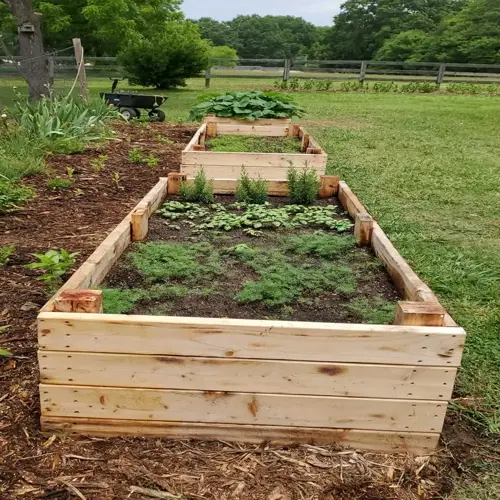
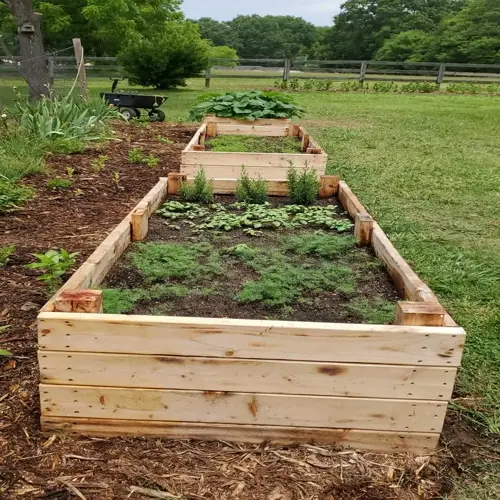
You simply smother lawn and other undesirable plants by layering sheets of cardboard with a mulch material! Then you let your new garden bed rest for a few months before you plant into it. Over the winter is perfect.
How To Sheet Mulch
By spring, a bare patchy strip in the damp back corner where my lawn met the fence line had turned into a thriving native and vegetable bed. The same dirt grew nothing but moss and a few weeds the year before. All it took was one October afternoon of laying plain brown cardboard, compost, and arborist wood chips over the tired grass.
I never dug, never sprayed, and never pulled a single weed. The order and overlap of the layers did the work while I left it alone all winter. That is the whole trick to how to sheet mulch the right way. You can sheet mulch a lawn into a planting bed without ever breaking your back.
Here is the part most beginners skip and then wonder why their bed stalls. You mow or trample the grass as low as you can, then soak the ground first so the cardboard sits flush against the soil. Wet dirt and a flush paper layer kick off decomposition fast instead of leaving a dry gap that slows everything down.
Cardboard goes down as a single layer of plain brown sheets. Keep the cardboard overlap at about 8 inches (20 cm) at every seam. That way no light slips through to the weeds below. On top you spread 1 to 2 inches (2.5 to 5 cm) of compost. Then cover with mulch at 3 to 4 inches (7.5 to 10 cm) of wood chips or shredded leaves. Follow these steps in order and the layers settle into soil you can plant.
Mow or trample the lawn and weeds as low as possible, then water the ground thoroughly so the soil is moist and decomposition can begin right away.
Spread a thin layer of finished compost or grass clippings directly on the soil to feed the microbes that will break everything down.
Cover the whole area with a single layer of plain brown cardboard, overlapping the edges about 8 inches (20 cm) so no light reaches the weeds below.
Soak the cardboard until it is saturated, which holds it in place, softens it, and speeds the breakdown of the layer.
Spread 1 to 2 inches (2.5 to 5 cm) of compost, then top with 3 to 4 inches (7.5 to 10 cm) of organic mulch such as wood chips or shredded leaves.
Keep the bed moist and let it sit at least six months, ideally over winter, until the layers break down into soil you can plant into.
Want a clean edge where the bed meets a path or patio? Trench about 6 inches (15 cm) deep along that hard line and tuck the cardboard and mulch into it so nothing spills onto the walkway. Always call 811 before you dig so a trench near a buried line never turns into a costly afternoon.
Best Materials And Layers
Your bed comes down to three layers, and each one does a different job. The base blocks light to smother the lawn, the compost feeds the soil, and the top mulch caps the whole thing. Pick the right material for each layer and the bed almost runs itself.
Start with the base. Cardboard for sheet mulching and newspaper mulch both block light, but they trade strength for speed. Corrugated cardboard lasts longer and blocks light better, so it smothers tough grass for months. Newspaper breaks down faster and molds to the ground, which helps on bumpy or sloped beds. Use cardboard when you want a stronger, longer smother and newspaper when you want quick breakdown and a tight fit.
Prep matters as much as the material. Use plain brown corrugated cardboard, and pull off all tape, staples, and labels first so nothing odd ends up in your soil. Skip glossy, waxed, or coated cardboard. When you are not sure about the inks or coating, go with the plainest material you can find.
For the top cap, wood chips mulch wins on air flow. One greenhouse study measured how well gas moves through each material, and wood chips came out about 10 times more gas-permeable than cardboard. The same study put cardboard ahead of landscape fabric, which beat plastic film. That ranking is why wood chips make such a good protective cap and a great path material too.
Match your mulch depth to what you plan to grow. Hungry vegetables and annuals do well with deeper compost and mulch, while natives that like lean soil need less. One more catch with wood chips. Keep eucalyptus, California bay, and walnut chips out of planting areas. These chips can hold back the growth of nearby plants.
Skip glossy, waxed, or heavily taped cardboard. Remove all tape, staples, and labels first, and use only plain brown corrugated cardboard so nothing unwanted breaks down into your soil.
The Cardboard Controversy
Ask online whether cardboard belongs in your garden and you will start a fight. The cardboard controversy comes down to one fear. People worry that a solid sheet of paper smothers the living soil below it instead of feeding it.
There is real science here, not just opinion. A 2019 study in Soil & Tillage Research measured how well gases move through common mulches. The team put hard numbers on the cardboard mulch gas exchange question for you.
The researchers tracked carbon dioxide moving through each material. Wood chips let gas pass at a rate above 10⁻³ cm² per second. Cardboard came in around 10⁻⁴, landscape fabric at 10⁻⁵, and plastic film at 10⁻⁶. So cardboard is about ten times less breathable than wood chips on paper.
That sounds damning until you read the next result. The team also measured the actual soil oxygen under each mulch. Levels beneath every cover except the plastic film were not much different from bare soil. The big gap in breathability did not show up as a big gap in the dirt below.
A 2019 peer-reviewed study measured soil gas levels under cardboard and found they were not significantly different from bare soil, even though cardboard is about ten times less gas-permeable than wood chips.
WSU horticulturist Dr. Linda Chalker-Scott argues that layered cardboard is relatively gas and water impermeable, slows breakdown, and may smother the soil life and earthworms gardeners hope to attract.
Not every expert reads that data the same way. Dr. Linda Chalker-Scott of WSU Extension is the best known skeptic, and her view is expert analysis, not settled fact. She argues that layered cardboard acts as a tough sheet. It blocks gas and water, breaks down slow, and ends up smothering soil life instead of building it.
Her point lands hardest when you stack many sheets like a thick lasagna. So is cardboard bad for soil? One thin layer is far less concerning than a deep pile of them. That single fact settles most of the worry behind the is cardboard bad for soil debate.
Among the mulches tested, wood chips are a preferred method of mulching in terms of providing best gas permeability, particularly in landscape conditions.
The compromise both sides can live with is simple. Use a single overlapped layer of cardboard, not a thick stack, then top it with wood chips. The study named wood chips as the most breathable cover you can lay down, so they let your soil breathe while the paper does its job.
Does It Work On Weeds
"That corner stays wet all spring," my neighbor warned me over the fence. "You'll never beat the quackgrass back there." I built my own bed anyway, set each sheet of cardboard, and lapped the edges tight. Months later a few green blades had speared up along one thin seam where the cardboard had pulled apart. The rest of the bed sat clean and dark. That single open seam grew quackgrass. The 30 feet of tight overlap beside it grew nothing.
So does sheet mulching work on weeds? Mostly yes, and the reason is simple. Your heavy paper blocks light, and weeds that have already sprouted cannot feed themselves in the dark. According to UC IPM, this light barrier kills emerged annual weeds and holds back many perennials too. Lawn grass and common annuals give up within a season under one solid layer you lay down.
Your trouble is the tough perennials. Plants like quackgrass, bindweed, and Canada thistle store energy underground in rhizomes and deep taproots. They don't need light right away. They draw on those reserves and push sideways until they find any gap, which is why you see weeds coming back through a seam or a thin spot weeks later. Your cardboard alone rarely stops a weed that can run for the edge of the sheet.
Beat them before you mulch, not after. Dig out or weaken the tough perennials first. Then overlap your cardboard about 8 inches (20 cm) so no light slips between the pieces. For a back corner already thick with quackgrass or bindweed, skip the smother and rent a sod cutter. It strips the top growth and the roots in one pass. The chart below sorts the common offenders by how they fight back.
Lawn Grass
- How it responds: Common turf grasses are smothered reliably by a single overlapped layer of cardboard and a few inches of mulch.
- Why: Grass roots are shallow and depend on regular light, so blocking the sun starves and kills them within a season.
- What to do: Mow low first, overlap cardboard edges, and grass conversion is one of the things sheet mulching does best.
Annual Weeds
- How it responds: Emerged annual weeds die under the light barrier, since they cannot photosynthesize through opaque cardboard.
- Why: Annuals have no large root reserve to draw on, so cutting off light quickly exhausts them.
- What to do: A standard layered bed handles most annual weeds, though new seeds can still blow into the mulch on top.
Rhizome Perennials
- How it responds: Spreading perennials like quackgrass and bindweed often push through seams or thin spots in the cardboard.
- Why: Their underground rhizomes store energy and can travel sideways to find any gap where light gets through.
- What to do: Remove or weaken these weeds before mulching and overlap cardboard generously, since smothering alone often is not enough.
Taproot Perennials
- How it responds: Deep taprooted weeds such as Canada thistle and dandelion can resprout from energy stored deep in the root.
- Why: The taproot sits below the reach of the cardboard barrier, so the plant has reserves to send up new shoots.
- What to do: Dig out the taproots first where you can, because cardboard rarely stops a well-established taproot on its own.
When To Sheet Mulch
The viburnum sulked. Its leaves went pale and yellow within a month of planting, and the whole shrub looked like it might give up in that damp back corner. I had built the bed only a few weeks before I dropped the plant in, so the cardboard underneath had not broken down yet. Its roots hit a tough, soggy mat and could not push through to the soil below.
I left it alone through the winter and let the bed finish on its own. By the next spring I found the cardboard had softened into dark crumbs, the roots spread out, and the viburnum pushed fresh green growth. Waiting one season cost me nothing. Rushing the timeline nearly cost me the plant.
Fall is the best time to sheet mulch for most gardens. When you sheet mulch in fall, winter rain and snowmelt keep the layers wet for months, and that steady moisture is what breaks the cardboard down. You build the bed in autumn, walk away, and come back to plant-ready ground in spring.
So how long does sheet mulching take? Plan on at least six months before the bed is ready, and often closer to a full year. A 3 inch mulch layer takes roughly a year to fully decompose, so the deeper you build, the longer you wait. The University of Maine and Lawn to Garden both point to that six month minimum.
Fall (Best Start)
Lay all the layers in autumn so winter rain and snowmelt keep them moist and decomposition gets a long head start.
Winter
The bed rests as the cardboard softens and breaks down, though cold or frozen ground slows the process in colder regions.
Spring
By six months in, the bed is often ready to plant, with the original materials decomposing into dark, crumbly soil.
One Year
A full season in, a 3 to 4 inch (7.5 to 10 cm) mulch layer has largely decomposed, leaving finished, plant-ready ground.
In cold climates the timeline stretches out. Frozen ground halts microbial activity, so a bed you build in late fall mostly waits until the soil warms again before it does real work. Your decomposition clock pauses through deep winter and starts back up in spring.
You can still build in spring if you missed the fall window. You have two choices here. Wait through the season and plant the next year. Or scoop pockets of compost above the cardboard and set transplants in right away. When can I plant after sheet mulching a spring bed? Skip seeds, since they need finished soil. Set strong transplants into those compost pockets and let the layers below catch up around the roots.
5 Common Myths
Sheet mulching will smother and kill every weed in your yard, including aggressive perennials, after a single application of cardboard.
Aggressive rhizome and taproot weeds like bindweed, quackgrass, and Canada thistle can push through cardboard, so you must remove or weaken them first.
Cardboard mulch is harmful because it seals the soil and suffocates earthworms and the soil life living beneath it.
A 2019 study found soil gas levels under cardboard were not significantly different from bare soil, though wood chips still allow far more gas exchange.
You can plant directly into a freshly built sheet mulch bed right away, because the cardboard breaks down almost immediately.
Layers need at least six months, and often up to a year, to break down before the bed looks and smells like finished soil and is ready to plant.
More cardboard layers are always better, so stacking several thick sheets gives you stronger and longer-lasting weed control.
A single layer of plain cardboard is enough; stacking many layers slows water and air movement without meaningfully improving weed suppression.
Any cardboard works fine for sheet mulching, including glossy, waxed, and heavily taped boxes you have around the house.
Use plain brown corrugated cardboard and remove all tape, staples, and labels; avoid glossy, waxed, or coated cardboard for the cleanest result.
Conclusion
Sheet mulching is a proven, low-cost way to turn a patch of tired lawn into rich, plantable soil. You skip the digging, you skip the chemicals, and you let cardboard and mulch do the slow work for you. The method rewards you as long as you respect the layers, the timing, and the few jobs it cannot handle.
Hold onto the numbers that matter. Lay a single layer of plain brown cardboard. Then add 1 to 2 inches (2.5 to 5 cm) of compost and 3 to 4 inches (7.5 to 10 cm) of mulch on top. Then wait. Most beds need six months to a year. By then the layers break down into something that looks and smells like fresh earth.
The cardboard debate has a clear answer once you read the science, so here is the plain fact to act on. A single overlapped cardboard layer topped with wood chips is a sound choice, and the soil underneath keeps breathing fine. The real limit to plan around is aggressive perennial weeds like quackgrass and bindweed, since their roots push through where annual weeds give up. The final word is simple. This is honest weed suppression, not a magic cure.
More gardeners now lean toward no-dig gardening that saves water and skips the sprays. That shift is why so many university extensions back this approach. Looking forward, take note of one worn patch of grass you never use. That spot could be your next lawn to garden project this fall. A year from now it could build soil good enough to grow almost anything you want.
Glossary
- Allelopathic
- Describes plants or wood chips that release chemicals which can slow or stop the growth of nearby plants.
- Diffusion coefficient
- A number that measures how quickly a gas spreads through a material; a higher value means gas moves through more easily.
- Gas permeability
- How easily air, such as oxygen and carbon dioxide, can move through a material into or out of the soil.
- Lasagna gardening
- Another name for sheet mulching, so called because you build the bed in layers like a lasagna.
- No-dig gardening
- A way of building garden beds on top of the soil without tilling or turning it over.
- Rhizome
- An underground stem that spreads sideways and can send up new shoots, letting some weeds push through cardboard.
- Sheet mulching
- A no-dig method of layering cardboard, compost, and mulch over the ground to smother weeds and build new soil in place.
- Taproot
- A single deep main root that stores energy, allowing weeds like dandelion to resprout after being mulched over.
External Sources
Frequently Asked Questions
What is sheet mulching?
Sheet mulching is a no-dig method that layers cardboard or newspaper, compost, and mulch over lawn or weeds to smother them and build new soil in place.
Is sheet mulching good for soil?
Yes. As the layers break down they add organic matter, feed soil life, conserve moisture, and build fertile topsoil without tilling.
When is the best time to sheet mulch?
Fall is the best time. Laying the layers in autumn lets winter rains help them break down so the bed is ready for spring planting.
What materials do you need for sheet mulching?
You need a light-blocking base of plain brown cardboard or newspaper, finished compost, and 3 to 4 inches of organic mulch such as wood chips or leaves.
- Plain brown corrugated cardboard or newspaper
- Finished compost, about 1 to 2 inches
- Organic mulch, about 3 to 4 inches
What are the disadvantages of sheet mulching?
It is slow to finish, can slow air and water movement through the soil, may shelter slugs, and often fails to stop aggressive rhizome weeds.
What is the difference between sheet mulching and composting?
Composting breaks materials down in a pile to make finished compost. Sheet mulching layers materials directly on the ground so they break down in place.
Which plants should you not pile mulch against?
Keep deep mulch away from tree trunks, shrub stems, and the crowns of perennials, since piled mulch traps moisture and invites rot and pests.
Is cardboard bad for soil in sheet mulching?
The evidence is mixed. A 2019 study found soil gas levels under cardboard were not significantly different from bare soil, though some experts remain skeptical.
Is mulch or compost better for your garden?
Neither is better; they do different jobs. Compost feeds the soil from within, while mulch protects the surface, so most beds use both.
Can you sheet mulch in winter?
Yes, you can lay sheet mulch in winter, but cold weather and frozen ground slow decomposition, so the bed takes longer to finish.