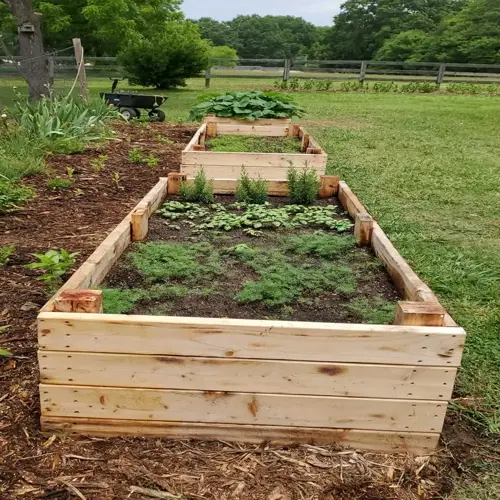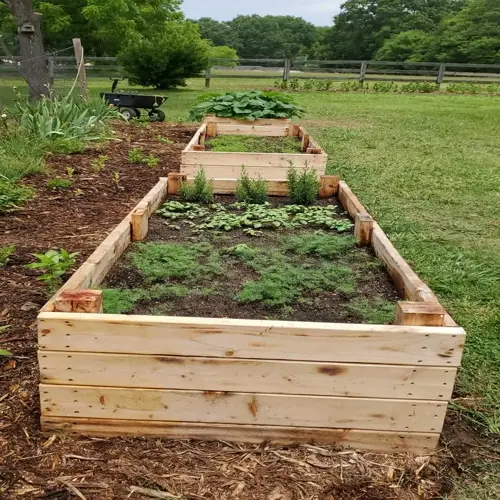

Sheet mulching is a no-dig way to turn lawn into a planting bed by stacking layers right on top of the grass. These sheet mulching basics come down to one idea. You build a thin lasagna on the ground instead of digging it up. A finished bed looks just like that. Plain cardboard sits on the bottom, compost goes in the middle, and a thick layer of mulch caps the top.
You may hear it called lasagna gardening or no-dig gardening, and those names point to the same thing. The layers stack like a casserole, and you never break out a shovel or tiller. That makes it a favorite trick for people who want a new bed without the back pain that comes with digging. It also keeps the soil structure below intact. Digging chops up the underground network of roots, fungi, and worm tunnels that healthy ground depends on. Leave that web alone and your new bed starts off stronger.
The method works because of one simple rule of plant biology. Grass needs light to live. A single layer of cardboard on the ground blocks that light, and within a few weeks it starts to smother lawn and weeds underneath. The plants die back, but they do not go to waste. They break down in place and feed the new soil.
While the grass dies off, the top layers get to work too. The compost and mulch slowly decompose over months and turn into rich, dark soil right where you laid them. Earthworms and microbes move up to do the mixing for you. By the time the cardboard rots away, the dead grass roots have opened up the ground below into loose, fertile earth.
Most extension programs teach the same simple recipe for the layers. Groups like the California Native Plant Society and Penn State Extension lay it out in three steps.
Put down a single layer of plain brown cardboard over the grass. Pull off any tape and stickers, then wet it down and overlap the seams so no light sneaks through.
Spread 1 to 2 inches (2.5 to 5 cm) of compost on top of the cardboard. This feeds the soil life and gives roots a spot to settle into later.
Cap it all with 3 to 4 inches (7.5 to 10 cm) of mulch like wood chips or straw. This holds moisture, blocks new weeds, and keeps the lower layers damp.
One of the best parts is how forgiving the process is. Once you have the sheet mulching basics down, you skip the tilling, the digging, and the weed killers, so it stays beginner-friendly from start to finish. There is no special skill to learn. If you can stack layers like a sandwich, you can build a bed this way. You do not even need to buy much. The cardboard comes free from your recycling, and many towns give away wood chips by the truckload. A few bags of compost are often the only cost.
Timing matters more than anything else, so plan for the long game. The layers need months to break down, which is why fall is the best time to start. You lay the bed before winter, let the rain and cold soften everything, and by spring you have loose, ready-to-plant ground. A bed built in fall has had six full months to mellow before you plant. If you cannot wait that long, you can still plant sooner by cutting an X in the cardboard and tucking a transplant into a pocket of compost. Start in fall, walk away, and let the worms finish the job for you.
Read the full article: Sheet Mulching: A Complete How-To Guide