
Introduction
Almost every mulch types guide splits the choices into two big families and then runs the same long list at you. You get wood chips, bark, straw, stone, and rubber, with a quick line about each. That part is easy. The hard part is knowing how deep to spread each one and which ones can quietly hurt your plants.
Mulch does three real jobs in a garden bed. Penn State Extension names the big three. They are weed control, moisture retention, and steadier soil temperature. And the payoff is bigger than most people guess. One field study found that just 3 inches (7.5 cm) of mulch raised soil moisture 58% over bare soil, with deeper layers adding almost nothing.
Here is the gap this guide fills. Most lists of the types of mulch tell you what each option is, but they stop there. They skip the depth each mulch needs, the cost over time, and the safety traps that catch new gardeners. That last part matters more than it sounds. Virginia Cooperative Extension now calls bad mulching a leading cause of tree and shrub death.
The simplest way to sort your options is by what they do once they hit the soil. Organic mulch works like a slow compost blanket that breaks down and feeds the ground beneath it. Inorganic mulch acts more like permanent decorative cover that holds its shape for years and never breaks down. Both have a place, and the right pick depends on the bed.
Below you will find the main types of garden mulch compared by depth, cost, and use. Each one is backed by extension research, not guesswork. You will learn the safe range for every mulch, the mistakes that kill plants, and a clear pick for weeds, vegetable beds, and trees. Let's start with the full lineup.
10 Types of Mulch Compared
Every mulch on this list does the same three jobs: it blocks weeds, holds soil moisture, and steadies the temperature around roots. The differences come down to how it looks, how long it lasts, and what it does to your soil as it breaks down. Pick the one that fits the bed and the budget, not the one with the prettiest bag.
A load of free arborist chips landed on my driveway one humid summer in zone 7. The pile looked like far too much for one yard. I spread the chips 3 inches deep around the young red maple in my back bed and barely made a dent in it. Those free wood chips covered three beds and cost me nothing, while a single run of bagged mulch for the same space would have run dozens of dollars.
Depth matters more than the type you choose. Use 2 to 3 inches around trees and shrubs, and just 1 to 2 inches for annuals and perennials. Coarse mulch like chips can go up to 4 inches, but never pile any mulch past that line. Below are the 10 mulch types worth knowing, from common shredded bark to longer-lasting stone mulch.
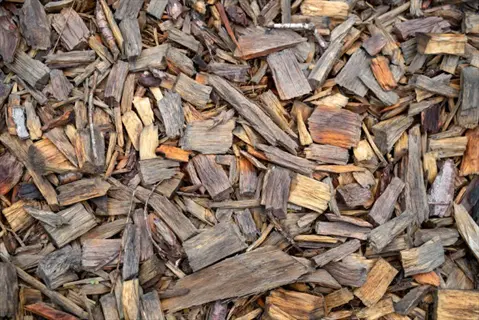
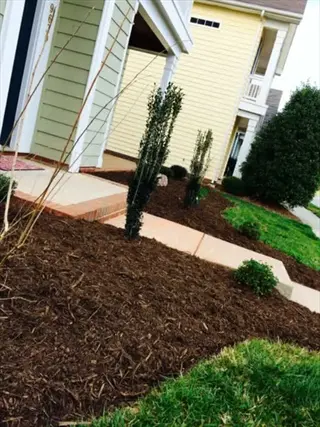
Shredded Hardwood Bark
- What it is: Bark shredded from hardwood trees, the most common bagged and bulk landscape mulch sold in garden centers.
- Best for: General beds, shrub borders, and foundation plantings where a tidy, uniform look matters most.
- Depth: Apply 2 to 3 inches (5 to 7.5 cm) around shrubs and trees; the shreds knit together and resist washing.
- Pros: Breaks down slowly, stays in place on gentle slopes, and improves soil structure as it decomposes.
- Cons: Needs topping up once a year and can mat down if applied too thickly in fine grades.
- Cost note: A mid-range option, cheaper in bulk by the cubic yard than in bags for larger beds.
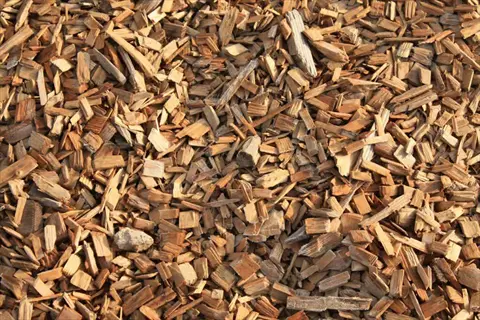
Wood Chips and Arborist Chips
- What it is: Coarse chips from whole branches, often available free from tree services as arborist chips.
- Best for: Tree rings, pathways, and naturalized areas where a rustic, coarse texture fits the setting.
- Depth: Spread 2 to 4 inches (5 to 10 cm); coarse chips can go slightly deeper than fine mulch without matting.
- Pros: Free or low cost from arborists, long lasting, and excellent at suppressing weeds and holding moisture.
- Cons: Fresh chips can tie up nitrogen if dug into soil, so age them 3 to 12 months or keep on the surface.
- Cost note: Often free as arborist chips, making this one of the cheapest quality mulches available.
Pine Needles (Pine Straw)
- What it is: Fallen pine needles raked or baled, popular across the southeastern United States as pine straw.
- Best for: Slopes, acid-tolerant beds, and natural woodland gardens where a light, airy mulch looks at home.
- Depth: Apply 3 to 4 inches (7.5 to 10 cm); needles knit together and grip slopes better than most mulches.
- Pros: Lightweight, slow to compact, stays put on inclines, and contains compounds that suppress weed seedlings.
- Cons: Breaks down faster than wood and needs refreshing more often in exposed sites.
- Myth note: Contrary to common belief, pine needle mulch does not meaningfully acidify garden soil.
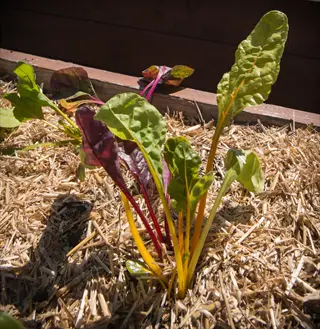
Straw Mulch
- What it is: Dried stalks of grain crops sold in bales, distinct from hay, which carries far more weed seed.
- Best for: Vegetable gardens and strawberry beds where a clean, easily removed mulch is ideal each season.
- Depth: Apply 4 to 6 inches (10 to 15 cm) in vegetable beds since loose straw settles and thins quickly.
- Pros: Inexpensive, keeps soil moist and cool, and breaks down to feed the soil by the end of the season.
- Cons: Can introduce seeds if you buy hay by mistake, and blows around in exposed windy gardens.
- Cost note: Low cost per bale and easy to spread, refresh, or rake off at harvest time.
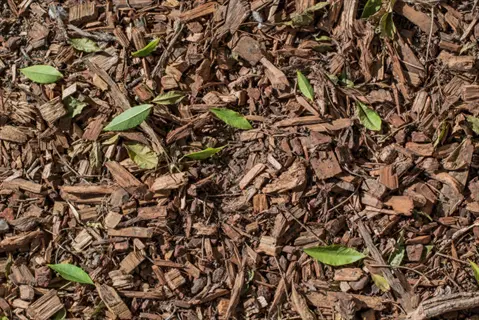
Shredded Leaves and Leaf Mold
- What it is: Autumn leaves shredded with a mower or composted into crumbly, dark leaf mold.
- Best for: Vegetable beds, perennial borders, and woodland gardens that benefit from rich organic matter.
- Depth: Apply 2 to 3 inches (5 to 7.5 cm); shred whole leaves first so they do not mat into a water-shedding layer.
- Pros: Free from your own yard, improves soil structure quickly, and feeds soil life as it breaks down.
- Cons: Whole unshredded leaves can pack down and block water, so always chop them before spreading.
- Cost note: Essentially free, turning a fall cleanup chore into one of the best soil-building mulches.
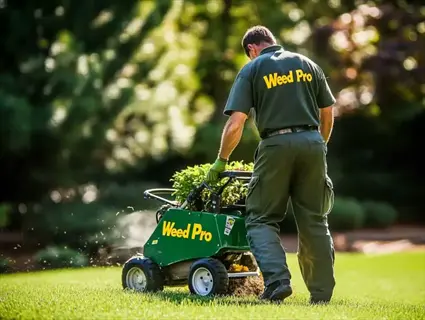
Grass Clippings
- What it is: Fresh or dried clippings from mowing, a free nitrogen-rich mulch when used in thin layers.
- Best for: Vegetable rows and bare soil between plants that benefit from a quick, free feeding mulch.
- Depth: Apply only 2 inches (5 cm) at a time in thin dry layers; thick wet clippings mat and turn slimy.
- Pros: Free, fast to break down, and returns nitrogen to the soil as it decomposes.
- Cons: Can carry lawn herbicide residue for weeks, so never use clippings from recently treated lawns.
- Cost note: Completely free as a byproduct of mowing your own untreated lawn.
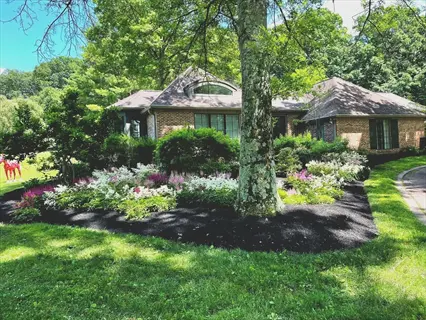
Compost as Mulch
- What it is: Finished compost spread on the surface, doubling as both a mulch and a slow-release feed.
- Best for: Vegetable gardens and flower beds where feeding the soil matters as much as covering it.
- Depth: Apply 1 to 2 inches (2.5 to 5 cm); a coarser mulch on top helps it hold moisture and resist crusting.
- Pros: Adds nutrients and beneficial microbes directly to the root zone while still covering bare soil.
- Cons: Breaks down fast, weeds can root in its rich surface, and it offers weaker weed suppression alone.
- Cost note: Free if you make your own, or moderate cost if bought in bulk from a supplier.
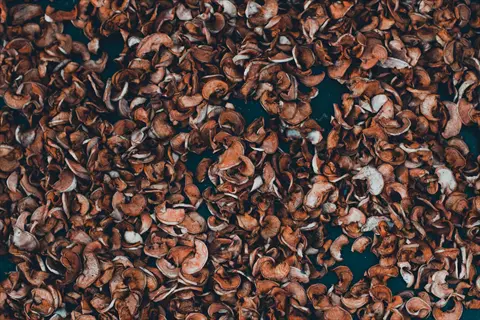
Cocoa Hull Mulch
- What it is: Byproduct shells from cocoa processing, prized for a rich brown color and a chocolate scent.
- Best for: Small ornamental beds and containers where appearance and aroma are the main draw.
- Depth: Apply only 1 to 2 inches (2.5 to 5 cm); a thin layer resists the crusting and mold this mulch can develop.
- Pros: Attractive dark color, pleasant scent, and decomposes into the soil over a season.
- Cons: Contains theobromine that is toxic to dogs, so avoid it entirely in any garden a dog can reach.
- Cost note: A premium decorative mulch that costs more than wood for the area it covers.
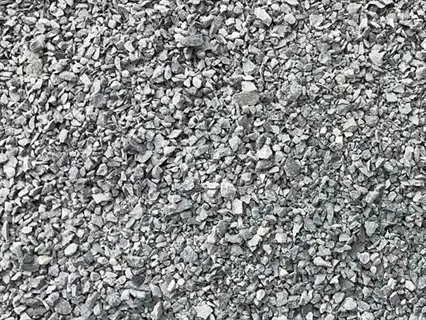
Stone and Gravel
- What it is: Inorganic mulch of river rock, pea gravel, lava rock, or crushed stone in many sizes and colors.
- Best for: Permanent plantings, pathways, dry gardens, and areas near foundations where you want no decay.
- Depth: Apply 2 to 3 inches (5 to 7.5 cm) over a weed barrier; stone never breaks down so it rarely needs refreshing.
- Pros: Lasts for years, will not blow or wash away, and gives a clean, low-maintenance finished look.
- Cons: Adds no organic matter, can raise soil temperature in summer, and is hard to remove once installed.
- Cost note: Higher upfront cost than wood, but its long life can make it cheaper over many years.
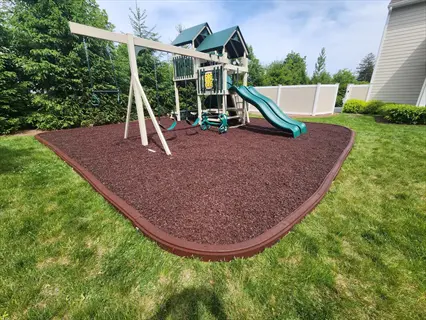
Rubber Mulch
- What it is: Shredded recycled tires colored to resemble wood, marketed as a long-lasting inorganic mulch.
- Best for: Playgrounds and play areas where cushioning matters more than feeding the soil.
- Depth: Apply 2 to 3 inches (5 to 7.5 cm); rubber does not decompose, so it stays at depth for years.
- Pros: Very long lasting, does not float away easily, and provides a soft surface underfoot.
- Cons: Adds nothing to the soil, can be flammable, and is best kept out of food-growing beds.
- Cost note: High upfront cost, offset only over the long run by how rarely it needs replacing.
Two cautions guide most of these picks. Cocoa hull mulch is toxic to dogs because it carries theobromine, so skip it in any yard a dog can reach. Fresh wood chips and other raw woody mulch can tie up nitrogen if you dig them into the soil, so age them a few months or leave them on the surface.
For a tidy, dependable bed, shredded hardwood mulch is hard to beat and easy to find anywhere. If you want a permanent, no-decay finish, stone mulch lasts for years with almost no upkeep. Match the mulch to the job and you will spend less time refreshing it season after season.
Organic vs Inorganic Mulch
Every mulch you can buy falls into one of two camps. Organic mulch comes from things that were once alive, like wood chips, bark, and straw. Inorganic mulch comes from stone, plastic, and rubber. The split sounds simple, but it changes how your beds behave for years.
Now the trade-off. Organic mulch rots, and that is the point. As it breaks down it feeds your soil and improves its structure, so this biodegradable mulch doubles as a slow soil builder. The catch is that it disappears, so you top it up about once a year.
Inorganic mulch does the opposite. Stone and synthetic mulch never rot, so they add nothing to the soil and almost never need replacing. Penn State Extension warns there is a hidden cost. These barriers can block worms, water, and soil microbes from reaching the root zone, which slowly starves the living part of your bed.
Watch out for landscape fabric. Stores sell it next to the mulch, but it is really a weed barrier, not a mulch at all. It cannot feed your soil, and over time it traps dirt on top and chokes the worms below. For any bed with living plants, organic mulch is the smarter default because it builds soil instead of sealing it off.
- Breaks down over time to feed the soil and improve its structure.
- Includes wood chips, bark, straw, pine needles, leaves, and compost.
- Needs topping up roughly once a year as it decomposes.
- Best for living beds where soil health is the goal.
- Never breaks down, so it adds no nutrients to the soil.
- Includes stone, gravel, rubber, plastic, and landscape fabric.
- Lasts for years and rarely needs replacing once installed.
- Best for paths and permanent decorative areas, not food beds.
So which one wins? It depends on the job. Choose organic mulch when you want healthier soil and you do not mind topping it up each spring. Choose inorganic when you want a permanent, low-care, decorative finish on a path or a dry bed. Inorganic is more common than you might think. The world burns through nearly 1 million tons of synthetic mulch a year, even though it never improves the soil.
Mulching in dryland agriculture gives advantages such as moisture retention, temperature regulation, weed suppression, soil health advancement, and erosion control, boosting water resource efficiency and crop yields.
How Deep Should Mulch Be
The right mulch depth is the one number most people guess wrong. The answer to how deep should mulch be is not one size for the whole yard. It changes with the plant, the season, and how coarse the mulch is.
The general rule is 2 to 4 inches (5 to 10 cm), and you never want to push wood mulch past 4 inches. But a tree, a flower bed, and a vegetable row each want a different layer. The table below sorts out how much mulch each spot really needs.
For a brand-new bed, lay down a full 3 to 4 inches (7.5 to 10 cm) to smother weeds and lock in moisture. After that first year you only top off what broke down. Top-dressing mulch with about 1 inch (2.5 cm) each spring keeps the layer fresh without it climbing too high.
Mulch around trees needs extra care at the trunk. Spread it 2 to 3 inches deep, but pull it back 3 to 4 inches (7.5 to 10 cm) so bare ground rings the base. Piling it against the bark traps moisture and rot, and that single habit kills more trees than any pest.
There is real science behind the 4-inch ceiling. A 1995 ISA study found that about 3 inches (7.5 cm) of mulch raised soil moisture by 58%, and going deeper added almost nothing. Past that point the extra layers start to choke off the oxygen and water roots depend on.
Texture changes the math too. The finer the mulch and the thicker you pile it, the more weeds can sprout right inside the layer itself. Coarse wood chips can sit higher because they stay loose, while fine bark or shredded leaves should go on thinner to stay weed-free.
More is not better. Once mulch passes about 4 inches (10 cm), it starts blocking the oxygen and water roots need, so refresh with a thin top-dressing rather than burying the old layer.
Mulch Benefits Backed by Research
Mulch does more for your soil than you might guess, and the research puts real numbers on it. One ISA study found that just 3 inches (7.5 cm) of mulch raised soil moisture by 58% compared to bare ground. That single figure beats any vague promise about healthier plants.
The benefits come down to three things mulch does at once. It blocks light so weed seeds never sprout, which is real weed suppression you can measure. It slows evaporation off the soil surface, and that gives you the moisture retention plants depend on through a dry week. And it buffers heat, so the soil temperature swings less from a hot afternoon to a cool night.
Here is what those three effects look like in hard numbers from extension and peer-reviewed sources.
The temperature buffer is bigger than most people expect. MSU Extension reports that organic mulch can hold midday soil temperature steadier by about 18°F (10°C). Your roots sit in a calmer zone instead of cooking near the surface on the hottest part of the day.
Weed control gets stronger as the layer deepens. In the same ISA work, total weed cover dropped to just 3.5% under deep mulch after two seasons.
Total percent weed cover in 25 cm mulched plots was only 3.5% at the end of the second season.
The payoff can reach your harvest too. A 2024 Frontiers in Agronomy review pulled together field trials showing crop yield gains of roughly 24% to 145% under mulch. Those come from farm research, so treat them as proof of the effect, not a guarantee for one flower bed. Two quieter wins round it out. Mulch slows surface runoff for steady erosion control. And as organic types break down, they feed soil health by adding matter back to the ground.
Best Mulch for Weeds and Beds
Picking the right mulch is less about the bag at the store and more about the spot you are filling. Match it to the location, your goal, your budget, and the plants that live there, and the choice gets easy. A vegetable bed wants something different from a path you will never dig again.
For raw weed control, depth beats brand every time. The best mulch for weeds is a coarse layer of wood chips or shredded bark. Lay it a full 3 to 4 inches (7.5 to 10 cm) thick, and that blocks the light small seeds need to sprout. SDSU Extension notes that wood-chip mulch as deep as 8 inches (20 cm) works wonders in native plant restoration. One ISA study from 1995 found weed cover dropped to just 3.5% under deep mulch after two seasons.
My back bed by the woods edge kept pushing up weeds through a thin 1 inch layer no matter how often I pulled them. I tore the whole thing out and rebuilt it with a full 3 inches of shredded bark. The weeds that used to crowd that bed each spring barely show up now, and I spend a few minutes there instead of an afternoon.
The best mulch for vegetable garden beds is something light that breaks down and feeds the soil. Straw, shredded leaves, and thin grass clippings keep the dirt cool and moist, and you can rake them off at harvest. Use straw and not hay, and skip clippings from any lawn you treated, since the chemicals can linger for weeks.
Best for Stopping Weeds
- Top picks: Coarse wood chips and shredded bark applied at a full 3 to 4 inches (7.5 to 10 cm).
- Why it works: A thick coarse layer blocks the light small weed seeds need to germinate.
- Watch out: Fine mulch in thick layers can actually grow weeds within the mulch itself.
Best for Vegetable Gardens
- Top picks: Straw, shredded leaves, and thin grass clippings that break down to feed crops.
- Why it works: These light mulches keep soil cool and moist and are easy to rake off at harvest.
- Watch out: Use straw not hay, and skip clippings from any recently treated lawn.
Best for Trees and Shrubs
- Top picks: Shredded hardwood bark or arborist wood chips at 2 to 3 inches (5 to 7.5 cm).
- Why it works: Coarse wood lasts a full season and holds moisture around establishing roots.
- Watch out: Keep all mulch 3 to 4 inches (7.5 to 10 cm) back from the trunk.
Best for Permanent Low-Maintenance Areas
- Top picks: Stone, gravel, or river rock laid 2 to 3 inches (5 to 7.5 cm) over a barrier.
- Why it works: Inorganic mulch never decomposes, so it rarely needs topping up.
- Watch out: It adds no soil nutrients and can heat the soil in summer.
Best on a Tight Budget
- Top picks: Free arborist wood chips, your own shredded leaves, and untreated grass clippings.
- Why it works: These cost little or nothing and still deliver real moisture and weed control.
- Watch out: Age fresh wood chips 3 to 12 months before mixing any into the soil.
Your mulch cost depends as much on how often you replace it as on the price tag. Straw and grass clippings are the cheapest to buy, but they break down fast and need topping up within a season. Bark and wood chips sit in the middle, lasting a full year for a fair price. Stone costs the most upfront, yet it is the longest-lasting mulch by a wide margin because it never rots.
For mulch for flower beds and other planted spots, lean on bark or wood chips around shrubs and trees. Save stone for permanent decorative areas and pathways. Stone holds its look for years, but it adds no nutrients and can bake roots in summer. Match the material to how long you want that bed to stay untouched, and you will buy mulch far less often.
Cheap organic mulches like straw save money now but break down within a season, while stone costs far more upfront yet can last for years, so weigh both numbers before you buy.
Mulch Mistakes and Safety
The young dogwood in my back bed dropped its leaves by midsummer and never pushed new growth the next spring. That first season I had heaped mulch into a tidy cone against the trunk, the look I now know as a mulch volcano. The mound held wet bark against the base for months, and the soft, dark, rotting band I found when I pulled it away told me the tree was already gone. Bark needs air to stay healthy, and a cone of mulch packed right against it traps moisture where the tree can least afford it.
That loss is more common than most people think. The experts at Virginia Cooperative Extension now call bad mulching a leading cause of tree death. Penn State Extension flags mulch volcanoes as a real threat too. The fix is simple. Keep your mulch pulled back 3 to 4 inches (7.5 to 10 cm) from any trunk so the bark can breathe.
Over-mulching is the other side of the same mistake. Stack your layer too deep and you smother the roots instead of feeding them, since water and oxygen can no longer reach the soil. Fresh wood chips add a second trap. Mix them into your soil before they age and they cause nitrogen depletion as soil microbes pull nitrogen out to break the wood down. Let fresh chips sit and age for 3 to 12 months first, and your plants keep the nitrogen they need.
- No mulch volcanoes: Never pile mulch in a cone against a trunk; keep it 3 to 4 inches (7.5 to 10 cm) back so bark can breathe.
- Do not over-mulch: Stay under 4 inches (10 cm) total depth; deeper layers cut off oxygen and water to roots.
- Age fresh wood: Let fresh wood chips age 3 to 12 months before mixing into soil so they do not rob plants of nitrogen.
- Keep dogs safe: Avoid cocoa hull mulch anywhere a dog can reach it, since it contains theobromine that is toxic to dogs.
- Skip treated clippings: Do not use grass clippings from a recently weed-treated lawn, as herbicide residue can linger for weeks.
- Mind black walnut: Keep black walnut chips and leaves away from tomatoes, peppers, and other nightshade crops due to juglone.
- Keep mulch a few inches away from house foundations and wooden siding to reduce moisture and pest issues.
A few mulches carry hidden dangers that have nothing to do with depth. Cocoa hull mulch smells like chocolate because it is made from cocoa, and it holds theobromine that is toxic to dogs. If you have a dog that roams the yard, reach for a pet-safe mulch like plain shredded bark or pine straw instead. Black walnut chips and leaves bring their own problem. They release juglone, which harms tomatoes, peppers, and other nightshade crops. Keep them well away from your vegetable garden.
Grass clippings look like free mulch, and they often are. The catch is timing. Say the lawn was sprayed with a weed killer. That herbicide residue can linger in the clippings for weeks and harm the plants you mulch. Wait several mowings after any treatment, or skip clippings from a sprayed lawn for that season.
Mulch volcanoes represent a true threat to the health of trees and should be avoided.
Dyed mulch worries a lot of gardeners, but the color itself is rarely the issue. Dyed mulch safety comes down to the wood, not the dye. The common black and red colors come from carbon and iron oxide, and both are plant-safe. Your real concern is the unknown recycled wood under the color, which can include scrap that was chemically treated. Buy your dyed mulch from a source that states the wood is clean, and you sidestep the only part that matters.
5 Common Myths
Mulch piled high against a tree trunk in a neat cone protects the tree and looks tidy and well cared for.
These mulch volcanoes trap moisture against the bark, invite rot and pests, and rank among the top causes of tree and shrub death.
Pine needle mulch makes the soil acidic, so you should only use it around acid-loving plants like blueberries and azaleas.
Pine needle mulch does not meaningfully change soil pH; you can use it as a light, airy mulch in almost any bed.
More mulch is always better, so a thick 6 inch or deeper blanket will smother every weed and lock in the most moisture.
Layers over 4 inches (10 cm) starve roots of oxygen and water; about 3 inches (7.5 cm) gives most of the moisture benefit.
All wood mulch attracts termites, so keeping any wood mulch near your house is asking for a costly infestation.
Cedar, cypress, and eucalyptus naturally resist termites, and properly placed mulch kept off the foundation poses little risk.
Dyed mulch is full of toxic chemicals that poison your soil and plants, so colored mulch is never a safe choice.
Common black and red dyes are carbon and iron oxide based and plant-safe; the real concern is unknown recycled treated wood.
Conclusion
All these mulch types come down to two choices you make at the bed. First you pick the family that fits the job. Then you set the right mulch depth. Get both right and the rest takes care of itself. Wood chips and bark are great around trees and shrubs. Straw and leaves suit the vegetable patch. Stone or gravel works where you want a clean surface that never breaks down.
The numbers point you the same way every time. Keep most mulch 2 to 4 inches (5 to 10 cm) deep. Go past 4 inches and you starve roots instead of helping them. One ISA study from 1995 tested this. Going from bare soil to about 3 inches (7.5 cm) raised soil moisture by 58%. Piling it deeper added almost nothing. That single layer holds water in and locks weeds out.
Penn State Extension sums up the three jobs mulch does best. Those jobs are weed control, moisture retention, and steadier soil temperature. A good layer of organic mulch also feeds your soil as it breaks down. Stone and rubber can never match that. So match the mulch to the job and mind the depth. Then steer clear of the two big mistakes. One is the mulch volcano piled against trunks. The other is a toxic load like juglone or treated wood.
None of this is hard, and the small effort pays off. Virginia Cooperative Extension calls bad mulching a top cause of tree and shrub death. A few minutes of care protects plants you waited years to grow. Look at your own beds and picture the depth chart. Then pick the best mulch for each spot. Done with a little thought, garden mulch quietly does its job for months while you enjoy the results.
Glossary
- Arborist wood chips
- Coarse chips made from whole branches by tree services, often available free as a low-cost mulch.
- Inorganic mulch
- Permanent mulch such as stone, gravel, or rubber that does not decompose and adds no nutrients to the soil.
- Juglone
- A natural compound in black walnut wood and leaves that harms nightshade crops like tomatoes and peppers.
- Mulch volcano
- A cone of mulch piled high against a tree trunk that traps moisture against the bark and can slowly kill the tree.
- Nitrogen tie-up
- The temporary loss of soil nitrogen to plants when fresh, undecomposed wood mulch is mixed into the soil.
- Organic mulch
- Mulch made from once-living material like wood chips, bark, straw, or leaves that breaks down over time and feeds the soil.
- Theobromine
- A natural compound in cocoa hull mulch that is toxic to dogs and makes that mulch unsafe around pets.
- Top-dressing
- Adding a thin fresh layer of mulch on top of an existing layer to refresh it without building up too much depth.
External Sources
Frequently Asked Questions
What are the three main types of mulch?
Most guides group mulch into organic, inorganic, and living mulch.
- Organic mulch like wood chips, bark, and straw
- Inorganic mulch like stone, gravel, and rubber
- Living mulch like low ground covers and cover crops
What is the best type of mulch to use?
The best mulch depends on the area, but shredded hardwood bark suits most beds.
How thick should a layer of mulch be?
Most beds want 2 to 4 inches (5 to 10 cm) of mulch and never more than 4 inches.
What is the best mulch to stop weeds?
Coarse wood chips or bark at 3 to 4 inches block the most light and weeds.
Can I put new mulch over old mulch?
Yes, you can top-dress old mulch as long as the total depth stays under 4 inches.
What mulch should you not use?
Avoid fresh wood near plants, cocoa hulls around dogs, and herbicide-treated clippings.
Where should you not put mulch?
Keep mulch off tree trunks, plant crowns, and right against house foundations.
Does mulch change the soil pH?
Most mulches, including pine needles, do not meaningfully change soil pH.
What is the best mulch for vegetable gardens?
Straw, shredded leaves, and thin grass clippings work best in vegetable beds.
What mulch will not wash away?
Coarse wood chips, bark nuggets, and stone resist washing away far better than fine mulch.