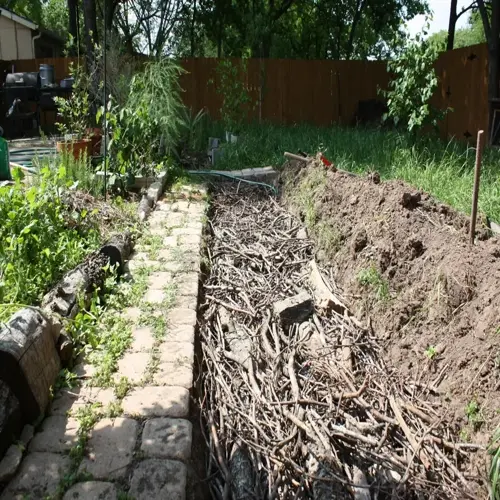

The best mulch for vegetables is a light organic layer that breaks down inside one season. Straw, shredded leaves, and thin grass clippings top the list. Vegetable beds want something soft that rakes off in seconds at harvest. That sets them apart from shrub beds, where thick bark sits for years and never needs to move.
Bark and wood chips look tidy, but they fight you in a veggie patch. You replant the same ground three or four times a year. A heavy mulch gets in the way every time you dig. Wood chips also pull nitrogen from the top inch of soil as they rot, and that is the exact layer your seedlings root into. Light mulches dodge both problems. They feed the soil as they break down, and you clear them with one quick pass of the rake.
Here is why these light covers beat the heavy stuff. They keep the soil cool and moist through the hottest weeks, so roots stay happy and you water far less. A bare bed can swing 20 degrees in a single afternoon, but a mulched one stays steady. The cover rots down within weeks, and that feeds your crops a slow drip of nutrients. And when a bed comes free, you turn the half-broken mulch right into the dirt. No hauling, no bags, no waste.
Straw mulch is the workhorse choice for most beds. Spread it 4 to 6 inches (10 to 15 cm) deep around tomatoes, peppers, squash, and beans. That looks like a lot, but straw settles fast and packs down to half its height in a week. One bale covers a big bed and costs only a few dollars at most feed stores. Buy straw, not hay. The two look alike in the bale, so read the label. Hay carries seed heads, and you will spend the rest of the season pulling weeds you planted yourself. Pull the straw back a couple inches from each stem too, so the base of the plant can breathe and dry out.
For a free option, you cannot beat shredded leaves raked up in fall. Run the mower over a dry pile once or twice before you spread them, or rake them onto a tarp and shred them in batches. Whole leaves mat into a wet seal that water runs straight off, and that starves your roots instead of feeding them. Shredded leaves stay loose and let rain soak through. Lay them 2 to 3 inches (5 to 7.5 cm) deep. They break down into rich black crumbs by spring, and worms pull the bits down into the soil for you. Oak and maple both work, so use whatever drops in your yard.
Grass clippings work too, with a couple of rules. Keep the layer thin, no more than 2 inches (5 cm), and let the clippings dry first. A thick green pile heats up, turns slimy, and stinks. Dry layers fix that. Add fresh clippings on top as the old ones shrink. One thing matters most here. Skip clippings from any lawn treated with weed killer in the last few weeks. Those chemicals carry over and can stunt or kill your vegetables.
Match the mulch to the bed and you win either way. Use straw for the main planting beds, save your shredded leaves for the cheap route, and lean on grass clippings to patch thin spots through summer. All three cool the roots, hold water, and feed your crops as they rot. Spread a fresh layer each season, and your soil gets darker and richer every year.
Read the full article: 10 Types of Mulch for Every Garden