
The three main types of mulch are organic, inorganic, and living mulch. Almost every bag and pile at the garden center falls into one of these three buckets. So picking a mulch starts with deciding which bucket fits your bed. Each one behaves in a very different way once it hits the ground, and that difference decides how much work you do later.
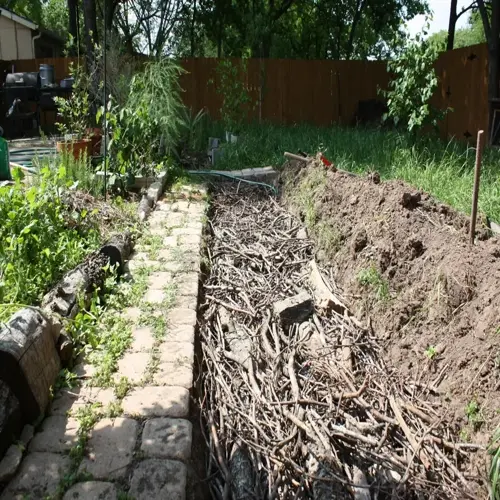
Organic mulch comes from things that were once alive, like wood chips, shredded bark, and straw. It breaks down over time and feeds your soil as it rots. That is the big win for you here. As the material decays, it adds nutrients and helps the dirt below hold water and air. You trade a little upkeep for healthier soil in your beds.
The catch is that organic mulch does not last. Wood chips and bark thin out over a season or two. Straw can vanish even faster in a hot, busy bed because it rots quickly once it gets wet. You will top it up about once a year in most yards. For people who like working the soil, that refill cycle is a feature, not a chore. Each top-up adds one more round of nutrients to the dirt below.
Bark and wood chips also pull off different jobs. Coarse bark nuggets stay chunky and resist washing away, so you can use them on a gentle slope. Shredded wood and fine chips knit together and lock down better on flat ground. Straw is the lightest of the three. That makes it your best pick around vegetables and over fresh seed beds. You get quick cover that breaks down fast.
Inorganic mulch is the opposite. It does not break down and it does not feed the soil. Stone, gravel, and rubber chips sit there and stay put. You spread it once and it holds for years with little fuss. People reach for it around walkways, foundations, and dry beds where they want a clean, permanent look and almost no upkeep. Gravel also lets rain drain straight through, so it works well in spots that puddle.
Living mulch is the third group, and it throws people off at first. Instead of dead material, you plant a low ground cover and let it spread. Clover, creeping thyme, and other creeping ground covers fill the open dirt between your plants. The roots hold your soil in place, the leaves shade out weeds, and the patch keeps growing on its own. Clover does one extra trick you should know. It pulls nitrogen from the air and feeds it back into your ground, so nearby plants grow stronger.
Organic Mulch
- What it is: Wood chips, shredded bark, and straw that were once living material.
- How it acts: Breaks down over a season or two and feeds the soil as it rots.
- Best for: Beds where you want richer dirt and don't mind a yearly top-up.
Inorganic Mulch
- What it is: Stone, gravel, and rubber chips that never rot.
- How it acts: Stays put for years and adds nothing to the soil below.
- Best for: Walkways, foundations, and dry areas you want to set and forget.
Living Mulch
- What it is: Low ground covers like clover and creeping thyme that you plant.
- How it acts: Spreads on its own, holds soil with roots, and shades out weeds.
- Best for: Slopes and open ground between plants that you want covered fast.
So which one do you grab? Choose organic mulch when soil health is the goal, like in vegetable plots and flower beds you want to improve. Pick inorganic mulch for permanent, low-maintenance spots such as paths and rock gardens. Go with living mulch on slopes that wash out or on open ground between plants where you want something to fill the gaps.
Your garden might end up using all three at once. You could run bark in the front beds, gravel along the driveway, and clover under the fruit trees. Start by matching the bucket to your job, and the rest of your choice gets a lot easier.
Read the full article: 10 Types of Mulch for Every Garden