
No, mulch and soil pH have a much weaker link than most gardeners think. Most mulches do not meaningfully change the pH of the soil under them, even after years of sitting on the bed. A fresh layer of bark, straw, or wood chips will not turn your dirt sour or sweet on its own.
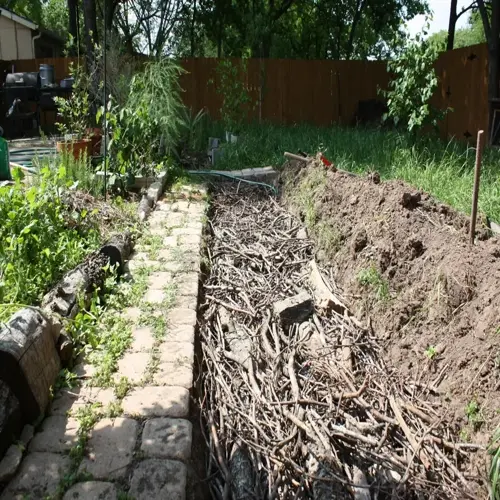
"That pine straw will turn your soil too acidic for the perennials," my neighbor called over the fence. I was spreading a fresh load across the zone 7 back garden at the time. So I tested the bed that same season once the mulch had been down for months. The reading came back the same as my spring number. It sat right where it always had.
Here is what actually happens as organic mulch breaks down. The decay does touch pH, but the effect is slight and slow. It also stays near the surface where the mulch meets the ground. Your plant roots feed in the deeper soil below. That tiny shift never reaches them. Tree care experts put this to the test back in 1995 to see if it was real. They tracked mulched beds over time and checked the dirt under the cover. The mulch did not acidify the surface soil at all. The group that ran it was the ISA, short for the International Society of Arboriculture.
The most stubborn version of this myth involves pine needle mulch. Gardeners swear pine straw drives up soil acidity because fresh needles test acidic in the hand. But research from MSU Extension shows pine needle mulch does not change soil pH. The needles sit on the bed and break down over time. Soil microbes neutralize the acids long before they can build up and move the needle on your test.
Buffer is the reason mulch rarely wins. Most garden soil holds a large store of minerals that resist pH change, so a thin layer of decaying mulch cannot overpower it.
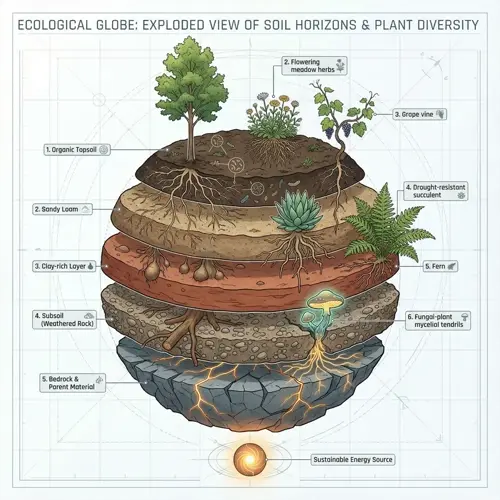
There is a deeper reason your soil shrugs off mulch. Soil sits on top of weathered rock and clay that buffers it like a sponge. That buffer soaks up small acid changes and holds the pH steady. A few inches of mulch on top of all that material simply cannot move the number much. The bigger your clay content, the more the soil resists any shift.
So what should you do if your soil pH is actually off for the plants you want to grow? Test first. A simple soil test from your local extension office or a home kit gives you a real number to work from. Guessing based on what mulch you used will only send you chasing a problem that may not exist. The test costs little and saves you from wasted effort. Pull samples from a few spots in the bed and mix them, since one corner can read different from another. A blended sample gives you the truest picture of what your plants face.
If the test shows you truly need a change, reach for the right product instead of more mulch. Use elemental sulfur to lower pH for acid lovers like blueberries. It also suits azaleas and other plants that want a sour bed. Use garden lime to raise pH when the soil runs too acidic for your vegetables. These work down into the root zone, where mulch never reaches. They shift the reading in weeks rather than years.
Keep mulching with whatever you have on hand. Pine straw still earns its place in the bed. The 2 to 3 inches of cover holds moisture, blocks weeds, and feeds your soil as it breaks down. Just do not count on it to fix your pH. Let your soil test set the plan, and treat mulch as the blanket on top, not a chemistry tool.
Read the full article: 10 Types of Mulch for Every Garden