
There are a few clear types of mulch to avoid. Skip cocoa hulls near dogs and fresh wood chips on planting beds. Stay away from black walnut chips by your vegetables, hay full of weed seed, and grass clippings from treated lawns. Each one puts your plants, your pets, or your soil at real risk. Steer clear of these and you dodge most mulch problems people run into.
I noticed my dog nosing right into a fresh ornamental bed, sniffing the mulch like it was a treat. That single moment moved cocoa hulls to the top of my mulch to avoid list in my zone 7 garden. Cocoa hulls smell like chocolate and hold theobromine, the same compound that makes chocolate toxic to dogs. A curious dog can eat enough to get sick. So when a pet shares your yard, I always reach for a pet-safe mulch like shredded bark or pine straw instead. Both look just as tidy in a bed, and neither tempts a dog to take a bite.
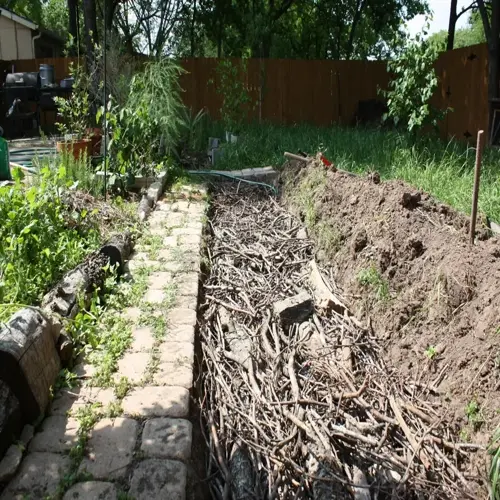
Fresh wood chips cause a quieter problem. As they break down, the microbes doing the work pull nitrogen from the top layer of soil. That tie-up can last 3 to 12 months until the chips age. Spread them straight onto a bed and your plants may turn pale and slow down. The leaves yellow and growth stalls, and it is easy to blame the wrong thing. So pile fresh chips to one side for a season first. Then they are safe to use. On a path or around mature shrubs they cause no trouble at all, since nothing is rooting there.
Some wood mulch is worse than just young. Black walnut chips carry juglone, a natural compound that harms nightshade crops, per SDSU Extension. That means tomatoes, peppers, and eggplant take the hit. Toss those chips on your vegetable patch and they can stunt or kill the plants you care about most. Keep walnut wood far from the garden. Leave it out of your compost pile too, because the juglone lingers.
Before you spread any mulch, ask three things: Could a pet eat it? Is it fresh, untreated wood? Do you know where it came from? A no on any of these means find another option.
Where the mulch comes from matters as much as what it is. Grass clippings from a lawn treated with weed killer can hold herbicide residue for weeks. That residue can then damage the very plants you mulch. It is an easy mistake to make, since the clippings look harmless. Hay brings its own headache. It packs in seed heads, so it sows your beds with weeds you fight all summer. Straw is the cut stalks with the grain removed. That means far less seed and a much cleaner mulch for the same job. The two get mixed up at the store, so read the bag.
Recycled or scrap wood is a gamble too. Old pallets, deck boards, and dyed mulch of unknown origin may be chemically treated. Those chemicals can then leach into your soil, per Penn State Extension. If you cannot trace where the wood came from, keep it out of edible beds. A few cheap bags are not worth tainting the ground you grow food in. The savings vanish the first time a crop fails.
The fix is simple. Age fresh wood chips for a season before they touch a bed. Pick straw over hay, and skip cocoa hulls anywhere a dog roams. Hold off on grass clippings from any lawn sprayed in the last few weeks. Pass on mystery wood you cannot source. Plain shredded bark, pine straw, and well-aged wood handle almost every job. None of them carry a single one of these risks.
Read the full article: 10 Types of Mulch for Every Garden