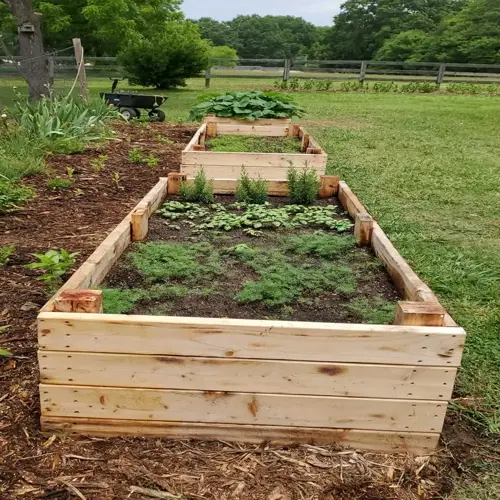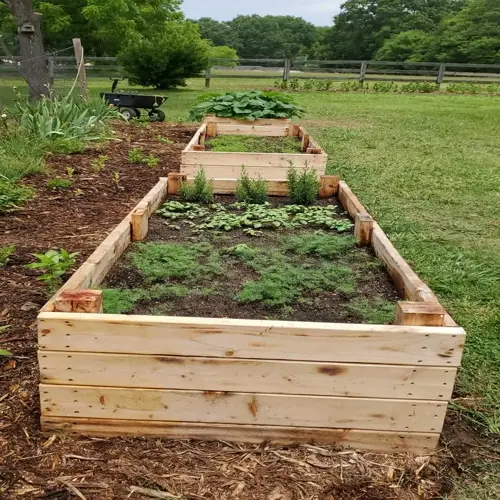

Yes, sheet mulching is good for soil. Give it a season or two and the sheet mulching soil benefits become hard to miss. The cardboard and mulch you laid down slowly disappear into the ground below. What is left behind is dark, crumbly earth. Dig into that spot with your hands and it looks and smells like fresh soil, not the packed dirt you started with. Your worst patch of lawn can turn into your best bed.
The magic comes from what happens as your layers rot. Cardboard, compost, and wood chips are all organic matter, and that food pulls earthworms and microbes up toward the surface. They chew through the layers and leave behind rich castings and dark humus. Their tunnels open up the dirt, so it drains better after rain. Your plant roots then push down with far less effort, which gives you stronger growth above the ground too.
That steady feeding is the heart of long-term soil health. As the buried carbon breaks down, it binds loose particles into small crumbs. Those crumbs hold both air and water at the same time. You end up with ground that stays loose instead of crusting over and shedding your rain. Think of it as building a sponge under your plants, one that fills with each storm and feeds your roots slowly between waterings. Heavy clay turns workable, and thin sandy soil starts to hold onto what you give it.
The mulch cap on top hands you another clear win, and this one is moisture retention. It shades the bare surface and slows how fast water escapes on hot days. So you water less and your plants stay calmer through dry spells. That same cover also moderates the temperature of the soil. Your roots stay cooler in summer heat and warmer through sudden cold snaps. Microbes keep working longer when the ground below them does not swing to harsh extremes.
You may still worry that cardboard smothers the ground and chokes off air below it. The research pushes back on that fear. A 2019 study in the journal Soil & Tillage Research put this idea to the test. The team, led by Shahzad, checked the air trapped under cardboard sheets. They found oxygen and carbon dioxide levels almost the same as bare soil nearby. The gap was too small to matter. So a single layer lets your ground keep breathing while it does all this work for you.
A couple of small choices make your gains even bigger. Top the bed with wood chips instead of a dense mat of wet grass clippings. Chunky chips trap pockets of air and trade gases well, so your soil never goes stale or sour. Then stick to one layer of cardboard, not a thick stack of three or four sheets. Thin and single keeps both water and air moving down to your roots and to the soil life waiting there for them. Pull off any plastic tape and shiny labels first, since those bits will not break down with the rest.
Build your bed that way and you get steady gains instead of a sealed lid over dead dirt. Worms move in, water sinks in, and the whole bed grows looser each year you leave it alone. Sheet mulching takes your tired lawn and turns it into the kind of dark, fertile ground most gardeners spend years and real money trying to buy in a bag.
Read the full article: Sheet Mulching: A Complete How-To Guide