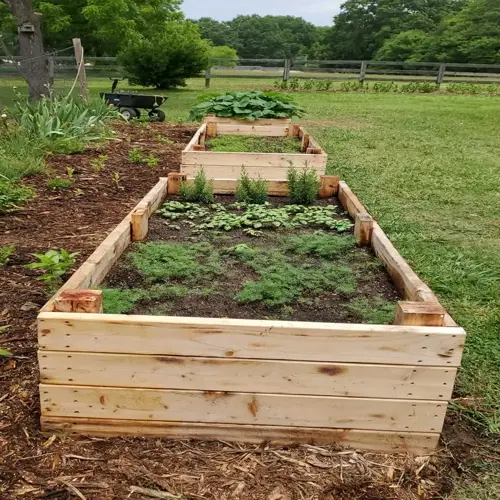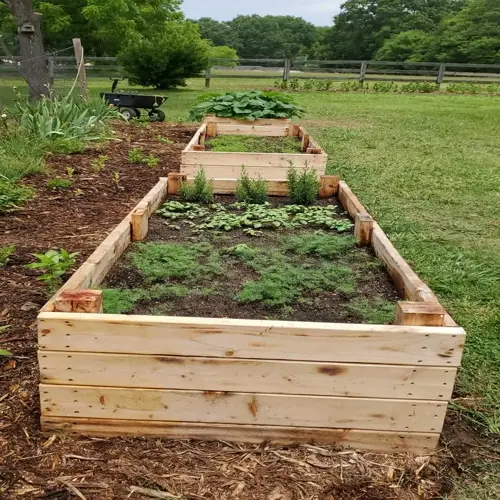

Yes, you can do sheet mulching winter builds, but the bed finishes much slower in the cold. You lay the same cardboard, compost, and mulch you would use any other season. The order of the layers stays the same too. The materials simply sit and wait once they are down. Most of the real breakdown holds off until the soil warms up in spring. So a winter bed is less about fast results and more about getting the prep work out of the way early.
A bed laid over frozen ground just rests quietly for weeks. The microbes that chew through cardboard and leaves go dormant once the soil turns cold. So the layers stay mostly intact through the worst of winter. You will not see the cardboard soften or the pile shrink much until things thaw out. That is normal and not a sign you did anything wrong. The bed is just on hold, waiting for warmer days to get going.
Sheet mulching works because tiny soil life does the heavy lifting. Bacteria, fungi, and earthworms break your layers down into rich soil over time. These workers need warmth and moisture to stay active. When the ground drops near freezing they slow way down, and frozen soil stops them dead. That is why a winter bed mostly idles until the cold lifts. The whole logic of sheet mulching winter projects rests on this one fact about the soil.
Cold weather decomposition is not broken, just paused. The earthworms burrow deeper to escape the chill and the fungi go quiet. Your bed holds its shape and waits. Snow on top actually helps by keeping the layers damp and shielding them from drying wind. A blanket of leaves or straw on top does much the same job. Think of winter as the setup phase, not the finish. You are loading the work now so the soil can cash it in later.
Winter Build
Lay cardboard, compost, and mulch over workable ground; the bed rests as cold halts most decomposition.
Early Spring
As the soil warms, microbes and earthworms wake up and the cardboard begins breaking down in earnest.
Late Spring To Summer
Most of the breakdown happens now, and the bed becomes ready to plant once materials turn to crumbly soil.
Plan for time no matter when you start. A sheet mulch bed needs at least six months to break down, and often a full year to finish in tougher spots with heavy clay or thick sod. The University of Maine and Lawn to Garden both point to this same long window. A winter start does not add to that total. It just pushes most of the action into the warmer months ahead. So a bed you build in January should be close to ready by the next summer, not the same spring.
So build your bed any time the ground is still workable and not locked solid. Soak the layers as you stack them, since dry cardboard never rots. Keep the pile moist through any winter dry spells. In a warm climate you might plant by late winter. In a cold one, hold off on spring planting until late spring or even summer, once the bed has crumbled into dark, soft soil.
Winter is a fine time to get the work done while the garden sleeps. The lawn under your cardboard is dormant too, so it will not fight back the way it does in summer. You stack the layers now, let the cold weather pass, and let spring do the rest. By summer you have a finished bed ready for roots, with almost none of the heavy labor falling in the busy growing season. That trade alone makes a winter build worth it.
Read the full article: Sheet Mulching: A Complete How-To Guide