
Neither one is better, and the mulch vs compost question misses the point because they do two different jobs. Compost feeds your soil from below. Mulch guards the surface above it. The strongest beds you can build get both, working as a pair. Pick one and you only get half the result you want.
The back-corner bed by the fence line finally thrived the year I gave it a compost layer and a wood chip cap on top. The roses there now push out new canes by May. For three seasons before that, I had tried each fix on its own. Compost alone dried out by July and baked into a hard crust. The bare mulch I tried the next year sat over poor dirt and left the plants hungry and pale all summer. Once both went down together, the bed turned a corner and held its water through the heat.
Here is the real split between the two. Compost is decomposed plant and food material that you work into or spread onto the soil. It is alive with nutrients and microbes. So compost feeds soil and gives your roots something real to pull from. Think of it as the meal for everything growing below the surface of your bed.
Mulch is a protective top layer of wood chips, straw, bark, or leaves. It does not feed your plants the way compost does. Instead, mulch protects surface soil three ways. It holds in moisture, blocks weed seeds from sprouting, and keeps the ground steady through hot afternoons and cold snaps. It is the blanket, not the meal.
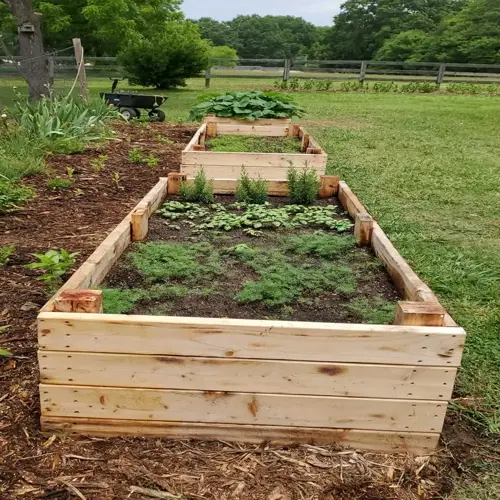
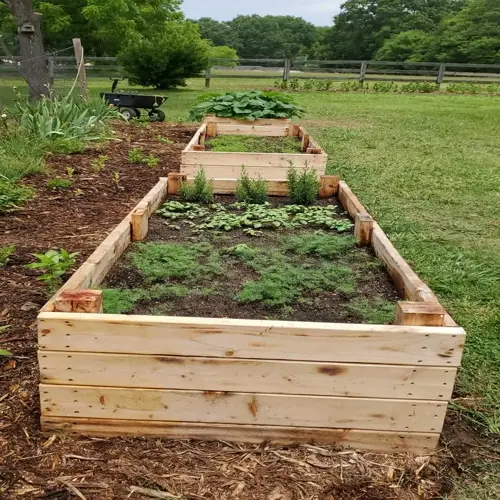
You can see why you want both when you look at a sheet mulch bed. The method layers finished compost for fertility under or above a sheet of cardboard. Then it tops everything with a mulch cap for protection. The California Native Plant Society points to this same build. The compost wakes up the soil while the mulch on top keeps moisture in and weeds out. One supplies the food and the other guards it.
My own beds tell the same story on a smaller scale. The strip along the driveway gets a fresh inch of compost each spring, then a thick wood chip layer over it. I water it half as often as the unmulched pots by the door. The compost keeps the plants fed and the chips keep the water from cooking off in the sun.
It also helps to picture where each one lives in the bed. Your compost sits in the root zone, the top few inches of soil where feeder roots do their work. Your mulch sits on top of that, in the open air where it can fend off sun, wind, and weed seeds. They never compete because they hold different ground. One stays buried and busy. The other stays exposed and on guard.
Spread 1 to 2 inches of compost where you want to feed the soil and roots. Then top it with 2 to 3 inches of mulch to lock in moisture and hold weeds down. Keep both a few inches off your plant stems.
So your move is simple. Lay the compost first, right where roots will reach it, and let it do the feeding. Then cap it with a few inches of mulch to seal in water and starve out weeds. Both are organic matter that breaks down over time and improves the dirt. But they hand you that benefit on different schedules, so you use them at different points.
Refresh your compost once or twice a season since it gets used up fast as plants feed. Top off the mulch once a year as it breaks down and thins out. So the mulch vs compost choice was never really a choice at all. Run them together and your beds hold water longer. You will fight fewer weeds and grow stronger plants than either one could manage alone.
Read the full article: Sheet Mulching: A Complete How-To Guide