
Most of the Alocasia growing difficulty comes down to one thing. Your home rarely matches the warm, humid, bright rainforest these plants come from. They want steady heat, damp air, and airy soil all at once, and a normal living room gives them none of that for free.
I watched one bold-veined leaf on my Polly curl at the tip and crisp brown along the edge. She sat on the shelf by the bright east window. She had looked fine there for months. My furnace had kicked on that week and pulled the room down to 30% humidity. The leaf cupped inward and turned papery within days. That single leaf showed how badly the plant wanted tropical humidity the dry air had stolen.
These plants grow on the warm, wet floor of the rainforest. They need three things from you at the same time. You have to give steady warmth above 65°F (18°C), moist air near 60%, and loose soil that stays damp but never soggy. A heated room breaks all three at once. The air dries out, a window draft chills the leaves, and dense potting mix traps water around the roots. Miss any one of those and your plant starts to slide.
Overwatering into the wrong soil is the fastest way for you to kill one. Most people pack their Alocasia into thick, peaty mix and then water on a set schedule. That mix holds water like a sponge and chokes the roots of air. The roots rot, the leaves yellow, and your plant drops them one by one. The worst part is the timing. The damage starts underground long before you ever see it up top, so by the time the leaves droop, the roots are already mush.
Dry winter air does its own kind of harm. You will see the edges and tips brown and go crispy while the rest of the leaf still looks green. That browning is not a disease, so do not reach for a spray. It is the leaf losing water to the dry room faster than the roots can pull it up. A heat vent blowing near your plant makes it worse fast. Pull the pot away from that vent and you stop most of the damage.
Then there is the panic that ends most Alocasia. The plant drops every leaf in fall and looks dead in the pot. Many people toss it in the trash right then. But this is winter dormancy, a normal rest the plant takes when light and warmth drop off for the year. The corm under the soil is still very much alive. Keep it warm and barely watered through the cold months, and you will see fresh leaves push up again in spring. So before you give up on a bare pot, dig a finger in and feel for a firm corm.
Here is the good news. The Alocasia growing difficulty drops sharply once you fix the setup. Get these four things right and your plant mostly takes care of itself.
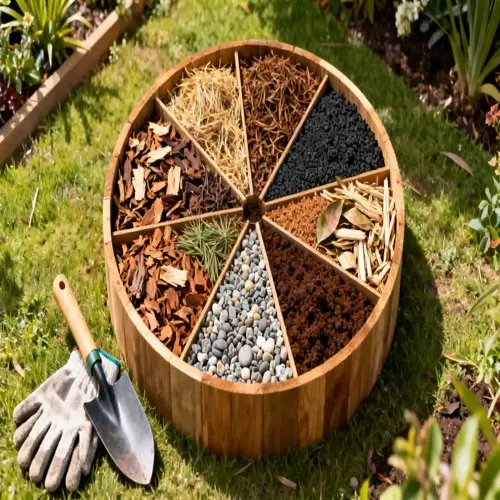
- Soil: Mix in orchid bark and perlite so the soil drains fast and stays airy around the roots.
- Humidity: Run a small humidifier nearby or set the pot on a pebble tray to hold the air near 60%.
- Warmth: Keep the room above 65°F (18°C) and move the plant away from cold drafts and hot vents.
- Patience: Water only when the top inch dries, and let the corm rest through winter without giving up on it.
Sort out the soil, air, and warmth, and most of the Alocasia growing difficulty fades away. Mine pushed out two fresh leaves the next spring after I gave the corm a quiet winter and stopped soaking the pot. Your plant was never fragile either. It just needs a room that feels a little more like home.
Read the full article: Alocasia Polly Care: A Beginner Guide