
My Polly now sits full and glossy on a shelf by a bright east window. It throws out a new arrow-shaped leaf every few weeks. The short answer on Alocasia Polly care difficulty is this. The plant is moderately demanding, not truly hard. It wants steady conditions. Once you give it the right spot, the work nearly fades away.
My first month with that plant was rough. Leaves yellowed and dropped one after another, and I was sure it would die. The fix turned out to be simple once I found the cause. I moved it into bright indirect light. I pulled it out of its soggy potting mix and into a chunky one. Now I checked the soil with my finger instead of watering on a schedule. New leaves came within three weeks, and the dropping stopped for good.
Here is why the Polly earns its fussy name. It comes from warm, wet rainforest floors, so it expects those same conditions in your home. A pothos shrugs off a missed week or a dry corner. The Polly does not. It reacts fast to inconsistent watering, dry air, and cold drafts. When something is off, it tells you with curling leaves or crispy brown edges. Read those signs as early warnings and you can fix the cause before you lose a leaf.
Match a few targets and the plant relaxes. None of them are hard once you know the numbers.
Light is the first thing for you to get right. Your Polly wants strong light, but keep direct sun off the leaves, since it scorches them. An east or north window works well for you, and a spot a few feet back from a bright south window works too. Give it too little light and you will see growth stall while the stems stretch thin toward the glass.
Alocasia humidity is the next piece, and it trips up most people. This plant wants the air around 60% or higher. That is far wetter than the average living room in winter. Dry air browns the leaf edges and invites spider mites onto the underside of your leaves. A small humidifier near the plant fixes this fast. Skip misting if you can, since it only helps for a few minutes.
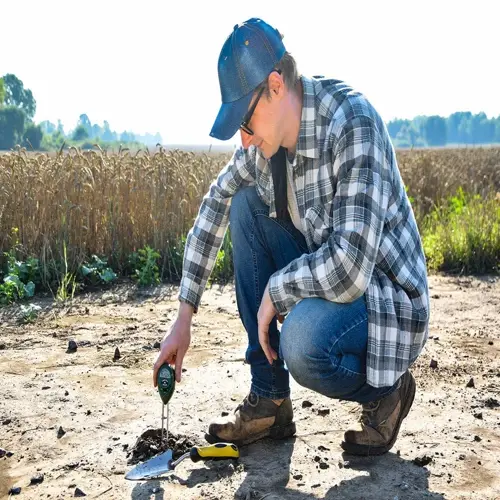
Watering needs a light touch from you. Keep the soil lightly moist but never soggy, and let the top inch dry before you water again. Warmth matters too. Hold your room between 65 and 80°F (18 to 27°C), and keep your plant away from cold windows in winter and AC vents in summer. Sudden chills are a common reason your leaves drop.
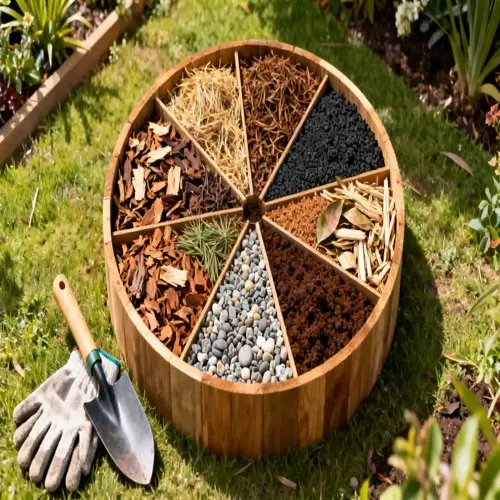
The biggest threat is the one you cannot see. Root rot prevention comes down to soil that drains fast. Mix in perlite, orchid bark, or coco chips until the blend feels loose and airy in your hand. Wet, dense soil suffocates the roots and rots them within days. Use a pot with a drainage hole, and empty the saucer once the water runs through. If you ever smell a sour, swampy odor from the soil, pull the plant out and check the roots that day.
Watch out for a few common mistakes that catch new owners. Do not let your Polly sit in a cold window over winter, since the chill alone can drop every leaf. Do not water on a strict calendar, because the plant drinks far more in summer than in a dim winter month. And do not panic if it loses leaves when you bring it home, as a short sulk while it adjusts to your space is normal.
The single biggest win for you is consistency plus fast-draining soil. Set up the right spot once, with good light, steady humidity, and a chunky mix, and your Polly stops being a project. Mine went from a daily worry to a plant I check on twice a week. Get your conditions right at the start, and you will find it is far less work than its reputation suggests.
Read the full article: Alocasia Polly Care: A Beginner Guide