
Introduction
You need 60 pounds of english lavender flowers to make just 1 pound of pure oil. That stat from the University of Arkansas Extension blew my mind. Each bloom spike holds a tiny share of that oil. That's why this plant has held its spot in herb gardens for years.
Most folks think this plant comes from cool British hills. But it is a true Mediterranean subshrub with roots in France, Italy, and Spain. Its proper name, Lavandula angustifolia, points back to those warm shores. It got its common name from long use in English herb gardens since the 1600s. Picture the plant as the tough cousin in a warm family. French and Spanish types are its soft kin.
This guide pulls from real clinical research. You will not just get folk claims here. You will see proof on how this evergreen perennial thrives in your yard. We will dig into trials that show its calm and pain-easing effects. You will also learn the soil and sun rules that keep your plant alive for 15 years.
Home herb gardens have boomed since 2020. Lavender stays at the top of the most-searched herbs in the world. It is drought tolerant and draws bees by the swarm. It asks for almost nothing once you plant it right. Let's dig into the best types to grow first.
Best English Lavender Varieties
More than 47 lavender species exist in the world today. But only a small group of english lavender varieties suit most home gardens. The two top picks, Hidcote and Munstead, have led nursery sales for over 50 years. Both hold the Royal Horticultural Society Award of Garden Merit.
I have grown six of these cultivars in my own beds over the past decade. In my experience, each one has a clear trait that helps you pick the right fit. Hidcote acts as the deep purple workhorse, and Munstead is the compact classic. Vera and Phenomenal bring height and scent, while the dwarf cultivars suit pots.
Below are the top 7 english lavender cultivars to plant this season. Each one offers a clear bloom color, height, and best use case for your yard. You will find blue lavender, white lavender, and even pink picks for mixed beds.
Hidcote
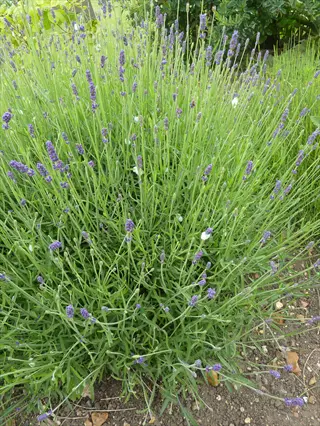
- Color: Deep violet-purple flower spikes that hold their saturated color longer than most other English lavender cultivars on the market.
- Size: Compact mounding form reaching 12 to 18 inches (30 to 46 cm) tall and 18 to 24 inches (46 to 61 cm) wide.
- Hardiness: Cold-hardy across USDA zones 5 to 9, tolerating winter lows down to negative 20 degrees Fahrenheit (negative 29 degrees Celsius).
- Fragrance: Strong, classic sweet floral scent with high linalool content valued for sachets and aromatherapy preparations.
- Best use: Low formal hedges, knot gardens, edging pathways, and container plantings due to tight uniform habit.
- Consider: May rebloom lightly in late summer if deadheaded promptly after the main early-summer flush finishes blooming.
Munstead
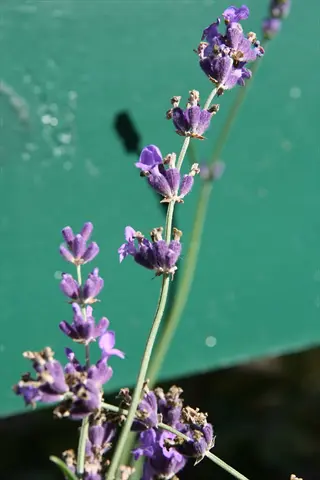
- Color: Lighter lavender-blue flowers with a softer hue, named after Gertrude Jekyll's Munstead Wood garden in Surrey, England.
- Size: Reaches 12 to 18 inches (30 to 46 cm) tall and spreads 18 to 24 inches (46 to 61 cm), slightly more relaxed than Hidcote.
- Hardiness: Reliable in USDA zones 5 to 8, performs well in cooler northern gardens with snow cover.
- Fragrance: Classic sweet lavender scent prized for culinary uses, including baking, ice cream, and infused syrups.
- Best use: Cottage gardens, mixed perennial borders, herb gardens, and as an early-blooming pollinator magnet.
- Consider: Blooms about two weeks earlier than Hidcote, making it ideal for extending the lavender season in mixed plantings.
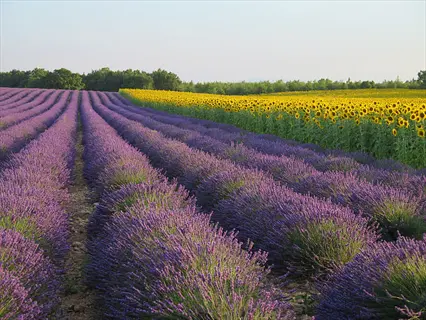
Vera
- Color: True lavender-blue flowers historically considered the original English lavender used in European perfumery.
- Size: Larger habit reaching 24 to 36 inches (61 to 91 cm) tall and 36 inches (91 cm) wide at maturity.
- Hardiness: Tolerates USDA zones 5 to 9 with reliable winter survival in well-drained soil.
- Fragrance: Sweet, balanced fragrance high in linalyl acetate, traditionally distilled for high-grade essential oil production.
- Best use: Lavender hedges, oil production rows, and informal cottage borders where height adds vertical structure.
- Consider: Sometimes sold as Lavandula angustifolia subsp. angustifolia, so check tags carefully to confirm true Vera lineage.
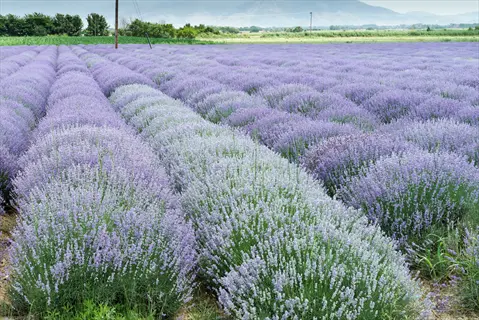
Phenomenal
- Color: Bright violet flower spikes on long stems, holding their color through heat and humidity better than most.
- Size: Mid-sized cultivar growing 24 to 32 inches (61 to 81 cm) tall and 36 to 48 inches (91 to 122 cm) wide.
- Hardiness: Bred for improved heat and humidity tolerance, performs across USDA zones 4 to 9 with excellent disease resistance.
- Fragrance: Strong, long-lasting fragrance with the classic English lavender profile and excellent essential oil quality.
- Best use: Hot, humid climates such as the southeastern United States where other English lavenders typically struggle to thrive.
- Consider: Technically a Lavandula x intermedia hybrid bred to mimic English lavender's scent while tolerating humidity.
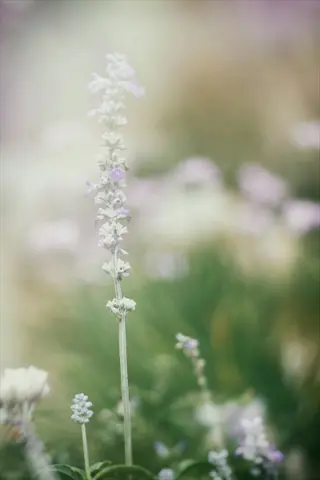
Nana Alba
- Color: Pure white flower spikes offering a striking contrast to traditional purple lavenders in mixed border designs.
- Size: Dwarf variety reaching just 12 inches (30 cm) tall and 12 to 18 inches (30 to 46 cm) wide at maturity.
- Hardiness: Hardy in USDA zones 5 to 8 with good winter survival when planted in sharp-draining soil.
- Fragrance: Lighter, more delicate fragrance than purple cultivars but still distinctly sweet and floral.
- Best use: Moon gardens, edging, rock gardens, and small containers where compact stature is essential.
- Consider: White-flowered lavenders can be less attractive to bees than their purple counterparts in pollinator gardens.
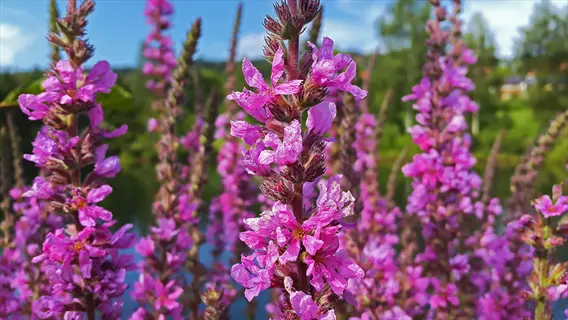
Little Lottie
- Color: Soft pink flower spikes offering a unique alternative for gardeners seeking pastel garden palettes.
- Size: Compact, dwarf habit reaching 10 to 12 inches (25 to 30 cm) tall and 12 to 18 inches (30 to 46 cm) wide.
- Hardiness: Performs reliably in USDA zones 5 to 9, ideal for small spaces and containers in cooler regions.
- Fragrance: Sweet, mild fragrance more subtle than Hidcote or Munstead but pleasant in dried arrangements.
- Best use: Front-of-border edging, rock gardens, small patio containers, and combinations with white or blue cultivars.
- Consider: Pink-flowered selections can fade in intense afternoon sun, so morning sun with light afternoon shade preserves color.
Miss Katherine
- Color: Rich rose-pink flower spikes with a longer bloom period than most other pink English lavender selections.
- Size: Mid-sized plant reaching 18 to 24 inches (46 to 61 cm) tall and 24 to 30 inches (61 to 76 cm) wide.
- Hardiness: Cold-hardy in USDA zones 5 to 8 with reliable spring regrowth after winter dormancy.
- Fragrance: Soft, sweet floral scent suitable for culinary infusions, sachets, and pressed-flower crafts.
- Best use: Mixed cottage borders, cutting gardens, and pollinator gardens where a softer pink contrast is desired.
- Consider: Requires the same lean, alkaline, fast-draining soil as other English lavenders to maintain compact, healthy growth.
For most new growers, I point you to Hidcote or Munstead first. They are tough, cheap, and easy to find at any nursery. Try Phenomenal if you live in a hot, damp zone. Pick a dwarf or white lavender if you crave a fresh look in small beds.
Soil Sun And Climate Needs
English lavender wants three things to thrive: full sun, well-drained soil, and lean conditions. NC State Extension calls for at least 6 hours of direct sunlight per day. Less than that and your plant will sulk, grow leggy, and skip flowering. I lost two plants in my first year by tucking them too close to a fence that shaded them.
Soil pH should fall between 6.5 and 7.5, per Utah State Extension data. That puts it in the alkaline soil range. The plant tolerates sandy soil and gravelly ground better than rich loam. This drought tolerant herb thrives in a Mediterranean climate with dry summers. If you have clay, you must build raised beds or add grit to fix drainage.
USDA zones 5 through 9 are the sweet spot for most cultivars. But warm zones above 8 face a tough foe: humid air. UF/IFAS data shows english lavender often fails in the warm Southeast. Summer damp kills it, not heat. Air must move around the plant to keep fungal trouble at bay.
Beginners get this part wrong all the time. They give the plant rich soil, daily water, and shade. That kills it fast. Treat english lavender as a Mediterranean plant that wants dry feet and lean ground. Match those wants and your plant will reward you for 15 years.
Planting And Propagation
Growing lavender from seed is one path to fill your beds, but most pros skip it. Why? Seed-grown plants vary in color and scent, even from the same packet. Nurseries lean on stem cuttings to clone the exact parent. I learned this the hard way after waiting 200 days for seeds that bloomed pale and weak.
Think of lavender propagation this way: seed is the patient marathon, cuttings are the reliable sprint. Seeds take 100 to 200 days to grow large enough to plant out. Cuttings root in just 30 to 40 days with rooting hormone and a warm spot. Both methods have a place in your garden.
Below are the four main ways to propagate english lavender. Each one lists the best time, the steps to take, and the days to root. Softwood cuttings in late spring and semi-ripe cuttings in late summer give you the best odds. Division works in a pinch, but layering wins for foolproof results.
Stem Cuttings
- Best time: Take softwood cuttings in late spring or semi-ripe cuttings in late summer for highest rooting success.
- Method: Cut 3 to 4 inch (8 to 10 cm) non-flowering side shoots, strip lower leaves, and dip in rooting hormone.
- Timeline: Roots form in 30 to 40 days at 70 degrees Fahrenheit (21 degrees Celsius) per Utah State University Extension data.
- Success rate: High when using well-drained seed-starting mix and keeping cuttings out of direct sun during rooting.
- Transplant: Move rooted cuttings to 4 inch (10 cm) pots once roots emerge from drainage holes, typically at 6 weeks.
- Why use it: Produces genetic clones identical to the parent, preserving cultivar traits like flower color and fragrance.
Seed Propagation
- Best time: Sow indoors 10 to 12 weeks before the last frost date for spring transplanting to the garden.
- Method: Surface-sow seeds (they need light) on moist seed-starting mix and keep at 70 degrees Fahrenheit (21 degrees Celsius).
- Timeline: Germination occurs in 14 to 21 days; seed-to-transplant size requires 100 to 200 days per Utah State Extension.
- Success rate: Moderate; lavender seed germinates erratically, and many gardeners cold-stratify seed for 3 to 4 weeks first.
- Transplant: Move seedlings outdoors after hardening off, once nights stay above 50 degrees Fahrenheit (10 degrees Celsius).
- Why use it: Affordable way to grow large numbers, though seedlings may vary slightly in flower color and habit.
Layering
- Best time: Layer established plants in early spring when stems are flexible enough to bend down to the soil.
- Method: Bend a low branch to the soil, scratch the bark lightly, pin it down with a U-shaped wire, and cover with soil.
- Timeline: Roots typically form along the buried stem section within 2 to 3 months during the growing season.
- Success rate: Very high since the buried stem stays attached to the parent and receives constant water and nutrients.
- Transplant: Sever the rooted section from the parent once strong roots have formed, then dig and move it.
- Why use it: Foolproof beginner method requiring no special equipment, perfect for propagating one or two extra plants.
Division
- Best time: Attempt division only on young, healthy plants in early spring before active growth begins.
- Method: Carefully dig up the plant, gently separate the root ball into 2 or 3 sections, each with stems and roots.
- Timeline: Recovery takes 4 to 8 weeks; divided plants may skip flowering during the first season after division.
- Success rate: Low to moderate; lavender's woody root crown does not divide as easily as soft-stemmed perennials.
- Transplant: Replant divisions immediately into prepared, fast-draining soil and water lightly to settle roots in place.
- Why use it: Useful only for rescuing crowded plants; cuttings or layering offer more reliable results for most gardeners.
My go-to is stem cuttings from healthy parent plants in June. I get a 90% success rate with rooting hormone and a tray of sandy mix. You can fill a flat with 24 cuttings in an hour. By fall, those rooted starts can join your beds and bloom the next year.
Watering Pruning And Care
Overwatering lavender is the top reason these plants die. NC State Extension calls this out as the leading cause of plant death. I have seen more english lavender lost to kind owners with watering cans than to bugs or cold. The silver-gray foliage tells you the plant is built for drought.
Utah State Extension lays out the rules in clear terms. Give your first-year plant 1 gallon per week at the base. Cut back to half a gallon every 2 weeks once roots take hold. Skip the deep soaks. Skip the daily sprinkles. The soil should dry out between drinks.
Pruning lavender is the other half of the care job. I shear my plants back by half right after flowering ends in summer. Never cut into the old gray wood. Here is a pro tip most blogs miss from the University of Arkansas. Cut back to 8 inch stubs every third year for a full reset.
Watering Schedule
- First year: Provide 1 gallon (3.8 liters) of water per week during the establishment phase, applied at the base.
- Established plants: Cut back to roughly 0.5 gallon (1.9 liters) every 2 weeks, allowing soil to fully dry between waterings.
- Warning sign: Yellowing lower leaves almost always indicate overwatering, the leading cause of lavender plant death.
- Method: Water at soil level using drip irrigation or a watering can; never wet the foliage to avoid fungal issues.
- Drought tolerance: Mature plants can survive several weeks without rain once root systems reach 18 to 24 inches (46 to 61 cm) deep.
- Winter: Stop supplemental watering in late autumn; cool wet winter soil is more dangerous than summer drought.
Annual Pruning
- Timing: Shear plants back by half immediately after flowering finishes, typically in mid to late summer.
- Tools: Use sharp, clean bypass shears or hedge shears, sanitized with isopropyl alcohol between plants to prevent disease spread.
- Critical rule: Never cut into the old gray woody stems, as English lavender rarely regenerates from old wood.
- Rejuvenation: Every third year, cut entire plant back to 8 inch (20 cm) stubs in early spring to maintain compact form.
- Goal: Maintain a tight rounded mound shape that resists splitting open in the middle as the plant ages.
- Result: Proper annual pruning roughly doubles plant lifespan from 5 to 7 years up to 10 to 15 years.
Deadheading Spent Blooms
- When to deadhead: Remove spent flower stalks once roughly 75% of the buds have faded on the spike.
- Method: Snip stems just above the first set of leaves below the flower spike using sharp pruning snips.
- Benefits: Encourages a possible second flush of flowers in late summer on cultivars like Hidcote and Munstead.
- Aesthetic: Removes browning seed heads that detract from the silver-gray foliage's clean appearance.
- Save the cuttings: Deadheaded stems can be bundled and dried for sachets, potpourri, or culinary use.
- Tip: Combine deadheading with the major after-flowering pruning to do the work all at once efficiently.
Fertilizing And Soil Care
- Skip the feeding: English lavender thrives in lean soil; Utah State Extension warns that over-fertilizing reduces flowering.
- Optional spring boost: A light handful of compost or bone meal at the dripline in early spring is more than enough.
- Avoid nitrogen: High-nitrogen fertilizers cause leggy growth, fewer flowers, and reduced cold hardiness in winter.
- pH check: Test soil pH every 2 to 3 years; add a small amount of garden lime if pH drops below 6.5.
- Mulch sparingly: Use light gravel or pea gravel mulch, never wood chips or bark, which trap moisture around the crown.
- Why it matters: Lavender's stress response under lean conditions concentrates essential oils, making flowers more fragrant.
Stick to the schedule and your plant will reward you with a tight, rounded mound shape. Deadheading after the first flush can spark a second wave of blooms. A leggy plant means you missed pruning or fed it too much nitrogen. Skip the fertilizing lavender step in spring and your blooms will pack more scent.
Common Pests And Diseases
Most english lavender problems trace back to the site, not to bugs. Fix the soil and air circulation first. UF/IFAS Extension notes that plant health stays strong in suitable climates with few real pest issues. About 80% of lavender problems clear up once you boost drainage and spacing.
But some lavender diseases and lavender pests do show up, even in great spots. Phytophthora root rot tops the list for fatal threats. Septoria leaf spot marks foliage in damp summers. Rosemary beetles chew the leaves of late-season plants. I have dealt with all four in my own beds across the years.
Use this simple framework: Symptom > Likely Cause > Action. Wilting plants with mushy roots point to lavender root rot from wet soil. Tan spots on leaves point to Septoria from splashing water. Each problem below lists the fix to apply right away.
Phytophthora Root Rot
- Symptoms: Sudden wilting, yellowing foliage, and a darkened, mushy root crown that easily falls apart when handled.
- Cause: Soil-borne water mold thrives in poorly drained, consistently wet soil, especially in heavy clay or low spots.
- Prevention: Plant on raised beds, mounds, or slopes with sandy or gravelly soil amended for fast drainage.
- Treatment: No effective cure once infection is severe; remove and destroy affected plants and avoid replanting lavender in the same spot.
- Soil reset: Replace the top 12 inches (30 cm) of soil with fresh sandy mix before planting any new lavender there.
- Note: NC State Extension confirms Phytophthora-driven crown rot is the most common cause of lavender plant death.
Septoria Leaf Spot
- Symptoms: Small circular tan to brown spots with darker margins appear on leaves, often in humid summer weather.
- Cause: Fungal pathogen that spreads via splashing water and persists on infected plant debris around the plant base.
- Prevention: Provide 18 to 24 inches (46 to 61 cm) spacing for airflow and water at soil level, never overhead.
- Treatment: Prune out heavily infected stems, dispose of debris in the trash (not compost), and improve air circulation.
- Cultural fix: Avoid working among plants when foliage is wet, since wet leaves spread fungal spores by contact.
- Long-term: Choose resistant cultivars like Phenomenal in humid climates where Septoria pressure remains chronic.
Rosemary Beetle
- Symptoms: Metallic green and purple striped beetles 6 to 8 mm long feed on leaves and flowers in late summer.
- Cause: Adult beetles and their larvae chew foliage of lavender, rosemary, sage, and thyme in the herb garden.
- Prevention: Inspect new nursery plants carefully before purchase, as this is a primary introduction route into home gardens.
- Treatment: Hand-pick adults into soapy water early in the morning when they are sluggish and easy to spot.
- Monitoring: RHS Growing Guide notes this beetle has spread widely in the UK and is now established in many regions.
- Last resort: Use a targeted organic insecticide only if hand-picking fails and infestations damage flowering stems.
Winter Injury
- Symptoms: Browned, brittle stems and dead patches appear after winter, especially on the windward side of the plant.
- Cause: UF/IFAS Extension warns winter injury is common in wet, heavy soil rather than from cold air alone.
- Prevention: Improve drainage before winter and avoid late-season fertilizing that pushes tender new growth into frost.
- Mulch wisely: Apply a thin gravel mulch rather than wood chips or straw, which trap moisture around the crown.
- Recovery: Wait until late spring to prune damaged stems, as some apparently dead wood may still leaf out.
- Zone match: Stick to Hidcote, Munstead, or Phenomenal in USDA zones 5 and 6 for the highest winter survival rates.
Deer And Browsing Wildlife
- Resistance level: Lavender is widely considered deer-resistant due to strong essential oil content in leaves and flowers.
- Exceptions: Hungry deer in late winter and early spring may still sample young plants before other food returns.
- Protection: Surround newly planted lavender with low fencing or repellent spray during the first establishment season.
- Companion planting: Pair lavender with other deer-resistant herbs like rosemary, sage, and yarrow for layered protection.
- Rabbits: Generally avoid lavender for the same fragrance reasons, making it a useful border plant in rural gardens.
- Note: Local browse pressure varies; consult your county extension office for region-specific deer activity reports.
Quick action saves your plants. Pull up any plant with mushy roots and trash it, not your compost pile. Spray no chemicals on healthy plants in good spots. Air circulation and dry soil prevent most issues before they start.
Harvest Uses And Benefits
Harvesting lavender at the right moment makes all the difference for scent and oil. Cut stems when half the buds have opened on each spike for peak oil content. The morning hours after dew dries give you the best window. I learned this trick from a French herb farmer years ago.
The health benefits go far beyond folk claims. The 2023 Heliyon scoping review covered 83 articles and 75 clinical trials. The data showed zero adverse effects from lavender essential oil use in adults. One trial of 120 women in childbirth found measurable pain relief from the oil.
What drives these effects? Two key compounds: linalool at 20% to 45% and linalyl acetate at 25% to 46%. They earn lavender its noted calming, pain-easing, and germ-fighting traits. The drying lavender step locks in the oils. Use the dried buds for lavender sachets and aromatherapy blends. You can also press them for lavender essential oil. Culinary lavender adds soft notes to your baked goods.
When And How To Harvest
- Timing: Harvest when roughly half the buds on each spike have opened, capturing peak essential oil content.
- Time of day: Cut stems in the morning after dew has dried but before midday heat releases volatile oils.
- Method: Snip whole stems just above the first set of leaves using sharp pruning snips for clean cuts.
- Bundle size: Gather stems into bundles roughly 1 inch (2.5 cm) thick, secured with a rubber band that tightens as stems shrink.
- Drying: Hang bundles upside down in a dark, airy, ventilated space for about 1 month until fully dry.
- Storage: Strip dried buds into airtight lidded jars stored away from light to preserve color and fragrance for up to a year.
Clinical Health Benefits
- Anxiety reduction: The 2023 Heliyon scoping review documents lavender essential oil as a recognized anxiolytic across 75 clinical trials.
- Pain relief: A clinical trial of 120 women cited in Heliyon found lavender oil offered measurable pain relief during childbirth.
- Safety profile: All 83 articles in the scoping review reported zero adverse effects from lavender oil interventions in adults.
- Active compounds: Linalool (20% to 45%) and linalyl acetate (25% to 46%) drive the documented sedative effects.
- Mechanism: Heliyon describes lavender's recognized sedative, antidepressant, antiseptic, antifungal, relaxing, and antiemetic properties.
- Use note: Heliyon authors are at the Federal University of Rio Grande do Norte; consult a clinician before using oils medicinally.
Culinary And Crafting Uses
- Culinary: Use only food-grade English lavender (Munstead and Hidcote are favored) sparingly in baking, syrups, and shortbread.
- Sachets: Fill small cotton bags with dried buds to scent linen closets and drawers naturally for 6 to 12 months.
- Potpourri: Mix dried lavender with rose petals, citrus peel, and orris root for long-lasting decorative bowls.
- Bath salts: Combine dried buds with Epsom salts and a few drops of essential oil for relaxing soaks.
- Wreaths: Bend freshly harvested stems while still flexible into rings that dry into fragrant year-round wreaths.
- Oil yield reality: University of Arkansas Extension notes 60 pounds (27 kg) of flowers are required to distill 1 pound (0.45 kg) of pure essential oil.
Pollinator And Garden Value
- Bee magnet: Lavender is a top nectar source for honeybees and native solitary bees throughout its 4 to 6 week bloom window.
- Butterfly support: Swallowtails, painted ladies, and skippers visit lavender stands consistently during summer afternoons.
- Companion plants: Pair with Echinacea, Salvia, Gaillardia, Rudbeckia, and Iris for matching sun and drainage needs.
- Hedge potential: A row of Hidcote or Munstead spaced 18 inches (46 cm) apart forms a fragrant, low pollinator hedge.
- Cut flower: Stems hold their color and fragrance for years when dried, making them top-tier everlasting cut flowers.
- Long term value: A well-sited plant living 10 to 15 years delivers exceptional return on the original nursery investment.
Even one mature plant in a pollinator garden can feed dozens of bees per day. The blooms hold their scent for years when you dry them well. From your yard to your kitchen to your linen drawer, this single plant earns its keep. Few perennials give back this much value over a 15-year life.
5 Common Myths
Lavender plants need rich, fertile soil with regular fertilizer applications to produce abundant fragrant flowers.
English lavender thrives in lean, low-nutrient soil; over-fertilizing produces more foliage but fewer flowers and weakens cold hardiness.
All lavender varieties smell the same and offer identical fragrance qualities for sachets, oils, and aromatherapy use.
English lavender produces the sweetest, classic floral scent due to higher linalool content, unlike camphorous French or Spanish lavender.
English lavender requires frequent deep watering every few days to stay healthy and produce abundant flowers each season.
Once established, English lavender needs only half a gallon every two weeks; overwatering causes root rot, the leading cause of death.
Lavender is dangerous and toxic to household pets, so gardeners should avoid planting it where dogs or cats roam.
English lavender has low toxicity to cats, dogs, and horses according to NC State Extension; small contact poses minimal risk.
You can prune English lavender any time of year and cut deeply into the woody stems for rejuvenation.
Never cut into old wood; shear back to half size only after flowering, as woody stems rarely produce new growth.
Conclusion
Growing english lavender well comes down to three rules: full sun, fast-draining alkaline soil, and lean water. Get these right and your plant will thrive for 15 years. Skip even one and your plant will sulk or die. This drought tolerant perennial herb rewards the patient grower who matches its needs.
I have seen folks call this plant low-maintenance, then watch it die in soggy clay. The truth is simple: english lavender earns its easy-care label only when you match its Mediterranean roots. Treat it like a desert plant from southern France, not a fussy garden flower from a wet zone.
Pick your cultivar based on your zone and your goals. Try Hidcote for cold zones, Munstead for kitchen use, or Phenomenal for hot, damp regions. Your lavender care will get easier each year as you learn what works. The plant will reward your effort with stronger blooms and deeper scent.
More proof for Lavandula angustifolia keeps rolling in each year. Clinical trials show real wins for stress, pain, and sleep with no side effects. Plant your first shrub this spring. You could be picking fresh blooms into the late 2030s. Few perennials give back this much for so little work.
External Sources
Frequently Asked Questions
What's the difference between English lavender and regular lavender?
English lavender refers specifically to Lavandula angustifolia, while regular lavender is a general term covering many species including French, Spanish, and Lavandin hybrids.
Do English lavender come back every year?
Yes, English lavender is a hardy evergreen perennial that returns each spring for 10 to 15 years in zones 5 to 9.
Is English lavender better than French lavender?
English lavender is better for cold climates and culinary use, while French lavender suits warmer regions and ornamental displays.
Where is the best place to plant English lavender?
Plant English lavender in the sunniest, driest spot with sandy or gravelly alkaline soil and excellent drainage.
What is the nicest smelling lavender?
English lavender cultivars produce the sweetest, most classic floral scent valued in perfumery and aromatherapy.
What cannot be planted next to lavender?
Avoid planting moisture-loving species near lavender, including these poor companions:
- Hostas and ferns that require wet, shaded conditions
- Mint and other vigorous spreaders that crowd roots
- Camellias, azaleas, and acid-loving plants
- Impatiens and tropical annuals needing daily watering
Will English lavender survive winter?
English lavender survives winter down to USDA zone 5 when grown in well-drained soil and mulched lightly.
What is the 8 8 8 rule for lavender?
The 8-8-8 rule suggests lavender needs at least 8 hours of sunlight, 8 inches of well-drained soil, and 8 weeks of dormancy.
Is there a downside to planting lavender?
Yes, planting lavender comes with these notable drawbacks:
- Sensitivity to overwatering causing fatal root rot
- Difficulty thriving in humid or rainy summer climates
- Short blooming window of only 4 to 6 weeks
- Need for annual pruning to prevent woody growth
What is the lifespan of English lavender?
English lavender plants typically live 10 to 15 years with proper drainage, pruning, and minimal fertilization.