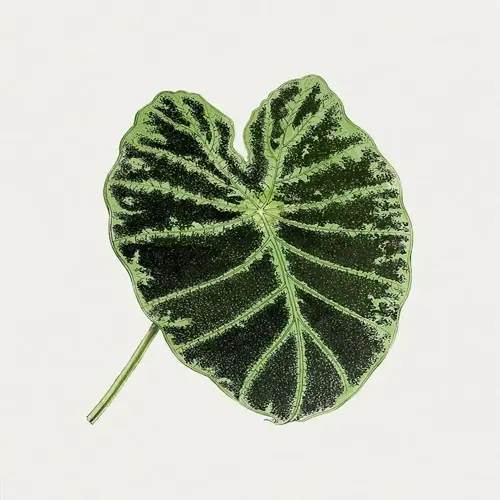

I stood at the bright east windowsill one late winter morning. I pulled the last collapsed leaf off a pot that looked empty. Bare soil, no green, nothing. Six weeks later a pale shoot pushed up from the same spot. That single shoot tells you most of what you need to know about the alocasia zebrina lifespan. With good care this plant lives for many years, often a decade or more, because it does not die when its leaves do.
The trick is what sits under the soil. Your zebrina grows from a corm, a swollen underground stem that stores water and energy like a small battery. Each striped leaf you admire is short lived and may last only a few months. But the corm holds the real life of the plant, so it keeps sending up fresh growth long after old leaves fade and drop.
This is why you should measure its life in seasons, not in single leaves. A leaf yellows, droops, and falls. The corm shrugs and grows another one. So the plant on your shelf can outlive every leaf it has ever produced, season after season, as long as the corm stays healthy and fed.
Winter is where most owners get scared and make a costly mistake. As light drops and the air cools, your zebrina can enter plant dormancy and shed leaves until the pot looks dead. Some plants lose every leaf. This is normal rest, not death, and a healthy corm is still alive down there waiting for spring. The biggest threat to its lifespan is not cold or pests. It is you throwing out a pot you wrongly think has died.
Caring for a dormant corm is simple once you stop treating it like an active plant. Cut your watering way back and keep the soil barely moist, never wet. A dormant corm with no leaves drinks almost nothing, and it rots fast in soggy soil. Keep the pot somewhere warm, around 64 to 77°F (18 to 25°C), and out of cold drafts. Hold off on all fertilizer until you see new growth push up. Feeding a resting corm does it no good and can even burn the roots.
A bare pot is not a dead plant. Feel for a firm corm under the soil. If it is solid and not mushy, keep it warm and barely damp, then wait. New leaves often appear within a few weeks of spring light.
Spring brings the payoff. Once light and warmth return, corm regrowth kicks in and you get fresh shoots from the same plant you almost gave up on. This rebound is the whole reason a well kept zebrina keeps going for so long. Each cycle of rest and regrowth resets the plant rather than ending it. Think of dormancy as a pause button, not a stop button.
One more thing stretches the practical lifespan even further. A mature zebrina forms small offset corms, and you can divide these off and pot them up as new plants. So even if the parent ever fails, its corm regrowth lives on in its offsets. Dividing corms this way effectively keeps a collection going for as long as you want to tend it, well past the life of any one pot.
So give your plant bright indirect light, the warmth it likes, and water that matches the season instead of a fixed schedule. Respect its winter rest, keep that corm firm and barely damp, and divide offsets when they appear. Do that and your Alocasia zebrina will reward you with new striped leaves for many years.
Read the full article: Alocasia Zebrina Care Guide