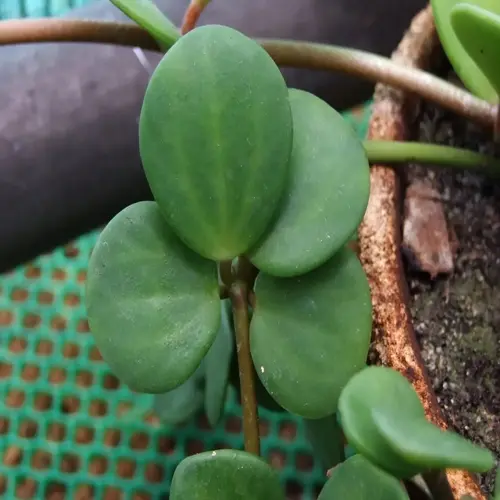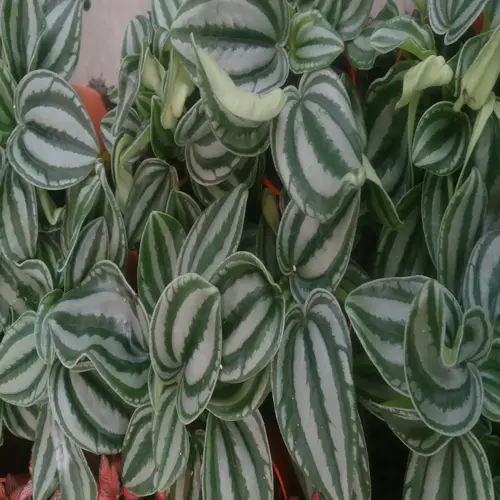

Yes. Philodendron Selloum toxicity is real, and the plant is unsafe for cats, dogs, and people. Every part of it can cause pain if chewed or swallowed, so you should treat it as a plant to keep well out of reach.
A curious cat bats at a low, broad leaf and gives it a quick chew. A teething toddler grabs the nearest green thing and bites down. That low leaf at floor level is the exact scenario to plan the plant's spot around. Set it high or behind a barrier before either one gets a chance.
The trouble comes from tiny calcium oxalate crystals packed inside the leaves, stems, and roots. These crystals are needle-shaped, and they sit in every part of the plant. When a mouth crushes the tissue, the sharp crystals release all at once and jab the soft skin inside the mouth and throat.
That single bite triggers fast, painful swelling. According to Iowa State and NC State Extension, chewing the plant causes oral pain and swelling of the mouth, tongue, and throat. You also see heavy drooling, vomiting, and trouble swallowing. The pain hits right away, which is why pets and kids usually spit the leaf out after one taste.
This is why the plant is toxic to pets like cats and dogs in particular. They explore with their mouths, and a houseplant at nose level looks like fair game. A dog may gnaw a stem out of boredom. A cat often goes after the thin, wavy leaf edges. The reaction is the same for both, and a vet may need to step in if the swelling makes breathing hard. Cats and dogs feel the philodendron selloum toxicity within seconds of a bite.
The sap is a problem too, even without a bite. It can irritate bare skin and leave a rash or a burning feel on your hands. The warning covers more than swallowing the plant. Handling a cut stem or a broken leaf during normal care can sting if the sap lands on you. Wash your hands after you touch the plant, and avoid rubbing your eyes until you do.
It helps to know what the early signs look like. A pet that chewed a leaf will paw at its mouth, drool a lot, and back away from food. A child may cry, refuse to eat, or point at a sore mouth. The swelling can make the lips and tongue puff up within minutes. Most cases stay mild because the burning pain stops a second bite, but a large mouthful can swell the throat and block air.
Some plants get a bad name they do not deserve. This one earns the caution. The risk is the same whether the plant is a small starter or a full, leafy specimen, since every leaf holds the crystals. Size does not make it safer, so do not relax the placement rule as the plant fills out.
Place the plant on a high shelf or behind a barrier so no pet or child can reach a leaf. Wear gloves when pruning to keep the sap off your skin. If a pet or child chews or swallows any part, call your vet or a poison line right away and watch for drooling or swelling.
Iowa State Extension gives blunt advice on this. Keep philodendrons away from children and pets. You do not have to give up the plant to follow that rule. A tall plant stand, a hanging spot, or a room the animals cannot enter all work fine.
Place the plant high and prune with gloves on, and you remove almost all of the risk. Keep your vet's number and a pet poison line saved in your phone, and you will know what to do in the first minute if a bite happens.
Read the full article: Philodendron Selloum Care Guide