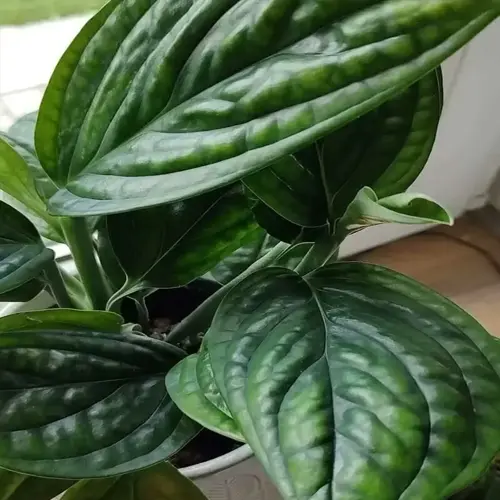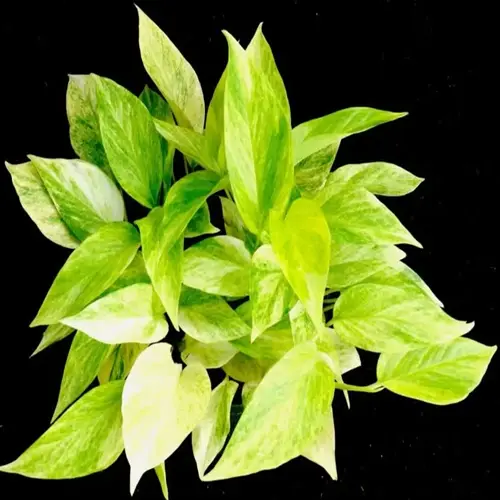

Both methods work for this plant, but bottom watering peperomia is the gentler choice for its shallow roots and chubby stems. You set the pot in a shallow dish of water and let the soil pull it up on its own. Top watering still has its place, and you can rotate between the two depending on what your plant needs that week. The short version: lean on bottom watering, and reach for the top method when you want to clean out the soil.
"You're drowning that thing," a friend said to me over coffee, watching me pour straight onto the crown by my bright east window. The water pooled in the leaf joints and the soil stayed wet for days. So I set the 4-inch (10 cm) pot in a dish and let it drink from below. The next time I checked the plant it was steadier and far less soggy, with firm stems instead of the mushy spots I kept finding before.
The mechanics are simple once you picture them. When you bottom water, the dry soil acts like a sponge and wicks moisture up through the whole root ball at an even pace. The fleshy stems and leaf joints stay dry, so they don't sit in trapped water and start to rot. Your roots also reach down toward the moisture instead of clustering at the surface, which gives you a sturdier plant over time. Top watering moves faster and soaks the mix in one go, and it does one thing bottom watering can't. It flushes the built-up mineral salts out the drainage holes.
- Gentle on shallow roots and fleshy stems.
- Encourages even moisture through the pot.
- Set pot in water 10 to 20 minutes, then drain.
- Faster for a quick, thorough soak.
- Flushes built-up mineral salts from the soil.
- Avoid splashing the crown and leaving water sitting.
Here is how you bottom water yours. Fill a dish or sink with an inch or two of room-temperature water and set your pot in it. Leave it for 10 to 20 minutes, then press a finger into the top of the soil. Once your top layer feels damp, the root ball has had enough. Lift the pot out and let it drain fully before it goes back on your shelf. Never leave it standing in the saucer, because roots left in a puddle will rot within days. When I checked mine after that switch, the drained pot felt light and the stems stayed dry.
Salt buildup is the one catch with bottom watering peperomia on its own. Your tap water and fertilizer leave minerals behind in the mix, and over months they pile up and can burn your root tips. That is where top watering peperomia earns its keep. Every fourth or fifth round, you water from above and let it run clear out the bottom, which carries those salts away with it. Aim your stream at the soil, not the crown, so the stems stay dry.
So the best peperomia hope watering routine mixes both. Bottom water most of the time for even moisture and dry stems, then do an occasional top flush to clear the salts. The one rule that ties it together is patience between drinks. Let the top inch (2.5 cm) of soil dry out before you water again either way. Stick a finger in to check, and if it still feels cool and damp, wait another day or two. A Hope that dries out a little between waterings holds firm stems and rich color far better than one you keep soaked.
Watch your plant and let it set the pace, not the calendar. In summer you might bottom water once a week, while in winter you could stretch it to every two or three weeks as growth slows. The leaves tell you a lot. When they look slightly soft and the stored water in those plump stems has dipped, your Hope is ready for a drink. If the leaves still feel firm and full, hold off and your plant will thank you for it.
Read the full article: Peperomia Hope Care: Complete Guide