
Introduction
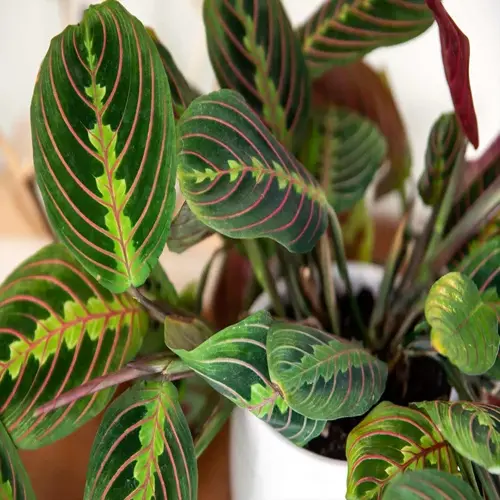
I keep a Monstera Peru on the shelf by my desk, and I still run a thumb across a leaf most mornings. The surface feels like deep ridges and bumps, almost like reading braille. It puckers between the veins and catches the light in a way few houseplants do. That puckered, quilted texture is what stops people in the plant shop and pulls them toward the price tag. Collector houseplants took off through the early 2020s, and a slow grower like this one still holds attention.
Here is the strange part. You can fall hard for this plant and still have no real idea what you are buying. The trade sells it as Monstera karstenianum or as Green Galaxy Monstera. Yet that first name is not even accepted by botanists. In 2024, a review in the journal Phytotaxa said it plainly. Monstera is the least understood group in its plant family across the region. So the naming chaos you see online is not in your head. It is real.
That open question is exactly where this guide starts. I will walk you through what the plant most likely is, why the labels disagree, and how to tell it apart from look-alikes. You deserve to know what is sitting in your pot before you fuss over its water and light.
The good news is that basic aroid care for this plant stays forgiving. It is a slow-growing climber that tops out around 6 to 8 feet (1.8 to 2.4 meters) indoors, so it will not outgrow your space in a season. The main way people kill it is overwatering, and that is easy to avoid once you know the signs. Let's start with the identity puzzle, then build out a care routine you can trust.
What Monstera Peru Really Is
Here is the honest answer. The plant you bought as Monstera Peru does not have one settled scientific name. The tag often reads Monstera karstenianum. But Kew's Plants of the World Online does not accept that name, and Kew is the top authority on plant names. So you own a real, lovely plant with a question mark on its true identity.
Think of a trade name like a nickname at a market stall. It sells the plant and it sounds nice. But it does not promise what the plant really is. Sellers love a short, tropical name because it moves product. Botanists need something far more exact, and the two goals do not always line up.
The top real candidate is Monstera boliviana. It is an accepted species, native to Peru and Bolivia, and first named back in 1910. Some experts tie the houseplant straight to it. That link would explain the Peru name. Others have tied the same plant to Philodendron opacum. A few even point to Epipremnum pinnatum Marble Planet, which is a whole different genus. You will also see it sold as Green Galaxy Monstera, just one more alias on the pile.
None of this means sellers hide things. This aroid group is just tangled. A 2024 Phytotaxa study looked at about 4,500 dried plant samples. From those, it named 52 native kinds across Central America. When trained botanists still sort the group out, you can see why the hobby labels run wild. Here is how those names line up.
Monstera Peru (the trade name)
- What it is: The everyday market name for a small climbing aroid with thick, puckered, iridescent dark-green leaves sold widely as a houseplant.
- Why it sticks: It is short, memorable, and ties the plant to a tropical region, which helps sellers far more than it helps with identification.
- Caution: A trade name is not a scientific identity, so two plants labeled Peru can differ in their true botanical background.
Monstera karstenianum (the usual label)
- What it is: The scientific-sounding name printed on most plant tags and care pages for this plant.
- The catch: This name is not accepted in Kew's Plants of the World Online, the leading botanical name authority, so it carries no formal standing.
- Takeaway: Seeing karstenianum on a tag is normal, but it does not settle what species you actually own.
Monstera boliviana (a real candidate)
- What it is: An accepted Monstera species native to Peru and Bolivia, first formally published back in 1910.
- Why it matters: Some experts link the houseplant Peru to this genuine species, which would explain the Peru name.
- Status: It is a leading candidate, not a confirmed match, so treat it as a strong possibility rather than a fact.
Green Galaxy and Marble Planet (more aliases)
- What they are: Additional trade names you will see, including Green Galaxy Monstera and Epipremnum pinnatum Marble Planet.
- The confusion: Marble Planet points to a different genus entirely, which shows how loosely these labels get applied in the trade.
- Practical tip: Buy based on the leaf you can see and feel, not the name on the label, since the names overlap unreliably.
Monstera is the taxonomically least understood genus in the Araceae family in Mesoamerica.
Light and Placement
My Monstera Peru sits on a north-facing windowsill. On cold mornings the low sun rakes across its puckered leaves at a flat angle. The plant stayed short and full there, with new leaves stacking close together on the stem. But one trailing piece reached out toward a dark corner of the room. Within weeks it pushed out a long bare runner with no leaves at all. I tucked it back near the glass, and the next growth came in tight again.
Your plant wants bright indirect light for the best look. Set it a few feet back from a sunny window, or put it right against one that never gets harsh rays. A north or east window is your sweet spot in most homes. You can grow it as a tabletop plant. You can train it up a moss totem, or let it spill from a hanging pot. Any of those work as long as you keep the light steady.
Skip the hot midday window. Direct sun hits these dark leaves hard, and you can end up with bleached spots or crispy brown patches of sunburn. That damage does not heal, so a scorched leaf stays marked for the rest of its life. If your only bright spot gets strong afternoon rays, hang a sheer curtain to soften them first.
Here is the good news for you. Monstera Peru handles medium light better than most of its cousins. In the wild it grows as an understory plant. It climbs under the rainforest canopy, where little direct sun ever reaches the floor. Its leaves are dark and dense, and that deep green means more chlorophyll in each one. The extra chlorophyll lets your plant make food from weaker light. So a dim room slows it down, but it rarely kills it.
Push the light too low, though, and you trade looks for survival. The stems stretch toward whatever glow they can find, and you get leggy growth with wide gaps between leaves and the same bare runners I saw on mine. That spindly shape is your plant begging for more light. Move it closer to a window, or add a cheap grow light. A small clip-on LED makes this an easy office plant for you, even on a desk with no window nearby.
Watering and Soil Mix
Push a finger two knuckles deep into the pot. If the mix comes out dry and the nearest leaf feels firm rather than soft, that is your green light to water. A leaf that still feels plump and stiff means the plant has plenty in reserve and can wait.
That firmness is the whole reason watering this plant is so forgiving. Its thick, leathery leaves store water like a succulent, so the plant shrugs off a dry spell with ease. The trade-off is that overwatering is the single most common cause of death, and soggy roots turn to mush long before thirsty ones ever wilt.
So how often to water Monstera Peru in practice? The University of Minnesota Extension says to water most grown plants once a week. The other cue is to wait until the top 1 to 2 inches of soil go dry. Stretch that a touch for these chunky leaves and wait until the top 2 to 3 inches (5 to 7.5 centimeters) of mix dry out. Lean late, not early, and you sidestep both root rot and the constant damp that feeds it.
Push a finger 2 to 3 inches (5 to 7.5 centimeters) into the soil. Water only if it comes out dry, since the leaves store reserves for dry spells.
Soak the pot until water runs from the drainage holes, wetting the whole root zone evenly rather than just the surface.
Empty the saucer after a few minutes so the roots never sit in standing water, which is the fast track to root rot.
Let the top few inches dry again before the next watering, easing off in winter when growth slows and the mix dries more slowly.
Your mix matters as much as your timing here. In the wild this is an epiphyte that clings to tree bark, so its roots crave air. A chunky well-draining aroid mix of equal parts coco coir, orchid bark, and perlite drains fast and gives those roots room to breathe.
Skip the dense, peat-heavy potting soil that holds water like a sponge. That stuff smothers the roots and quietly sets up the overwatering problems you worked so hard to avoid. The right mix does half the watering work for you.
If the leaves feel soft and the soil is still damp, do not water. Soggy mix and brown, mushy roots are signs of overwatering, not thirst.
Warmth, Humidity, and Feeding
The leaf tips on my Monstera Peru went brown and crispy one dry January by the north window. The new growth came in small and curled at the edges, and the older leaves felt papery instead of firm. I moved the plant next to a small humidifier instead of reaching for a misting bottle. Within a few weeks the fresh leaves opened flat and stayed a deep, even green.
This plant likes a temperature range of 60 to 85°F (16 to 29°C), which covers most homes year round. It is not frost tolerant and hates cold drafts, so keep it away from chilly windows and exterior doors in winter. A spot that swings below 50°F (10°C) will stall growth and can damage the leaves.
Monstera Peru humidity needs are easier than the rare-plant labels suggest. The plant does fine in average household humidity, and most homes sit in a range it can handle without any help. It does grow faster in damp tropical air, so a boost helps if you want quick new leaves. But you do not need a glass cabinet to keep it healthy.
Misting is the one habit I tell people to drop. A quick spray raises humidity for a few minutes at most, then the water sits in the puckered grooves of the leaves. That trapped moisture invites fungal spotting and ugly brown marks. A small humidifier or a pebble tray under the pot does the same job and keeps the leaves dry.
Feeding is light work here because Monstera Peru is not a heavy feeder. A balanced liquid fertilizer at half strength, once a month through spring and summer is plenty. Skip it in fall and winter when growth slows down. Too much food burns the roots and can scorch the leaf edges, so less really is more.
Propagation and Repotting
A fat white root pushed out of a single noded cutting in a glass of water on my north windowsill in about 3 weeks. The first piece I tried was a single leaf with no node, and it just sat there and turned to mush in the same glass.
That mushy leaf is the whole secret to how to propagate Monstera Peru. The node, the small bump where a leaf meets the stem, is the non-negotiable part. A leaf cutting with no node will never grow new roots. It only rots.
So every stem cutting you take needs at least one node and its bud attached. From there you have a few easy ways to root it, and water propagation is the simplest to watch. Drop the node in a glass, set it in bright indirect light, and wait.
Locate the small bump where a leaf meets the stem. A cutting must include this node and its bud, or it will rot instead of root.
Cut 1 to 2 inches (2.5 to 5 centimeters) below the node with clean shears, keeping at least one healthy leaf attached.
Place the node in water, perlite, or moist sphagnum moss in bright indirect light. Roots usually appear in about two to four weeks.
Once roots reach 1 to 2 inches (2.5 to 5 centimeters), move the cutting into a chunky aroid mix. New leaves can take up to two to three months.
Cuttings that lack a node and axillary bud, such as the leaves, will not produce new growth and ultimately will rot.
Water lets you see the roots form, but perlite is the most common rooting medium for a reason. It holds the cutting steady and keeps air around the new roots, so they move into soil with less shock. Moist sphagnum moss works the same way if you have it on hand.
Give the roots time. They show up in about 2 to 4 weeks, but a brand new leaf can take 2 to 3 months to unfurl. Rushing a cutting into a big pot before the roots are ready is the fastest way to lose it.
An established plant needs repotting every 1 to 2 years. The best time is late winter or early spring, right before the new growing season starts. Move it into a pot only about 2 inches (5 centimeters) wider than the old one. A pot that is too large holds wet soil around the roots and invites rot.
Toxicity, Pests, and Problems
So is Monstera Peru toxic? Yes, and the answer is the same for every part of the plant. The University of Florida Extension is clear that all Monstera plants are toxic to dogs, cats, and people. That covers the leaves, the stems, and even the unripe fruit. Keep this one well out of reach of curious pets and small kids.
The trouble comes from calcium oxalates. These are tiny, needle-shaped crystals packed inside the plant tissue, and they physically jab the soft skin of the mouth and throat when chewed. That direct stabbing is why a bite brings on burning lips, drooling, and pain to swallow within seconds.
This is not a quirk of one rare plant. The same calcium oxalate trick runs through the whole Araceae family. Your pothos, philodendron, and peace lily all carry it too. Think of it as a family trait, not a warning specific to your Peru.
The good news is the plant is only mildly toxic, with no risk of organ damage. But the symptoms hurt and they scare people, so prevention beats a panicked vet trip. Save the ASPCA Animal Poison Control line, (888) 426-4435, in your phone before you ever need it.
Pests are the other headache, and most of them strike when the air is dry or the soil stays wet. Watch for spider mites, mealybugs, and thrips first, since these sap suckers spread fast indoors. Overwatering also opens the door to root rot and fungus gnats, so let the mix dry out before you reach for the can.
Sap-sucking pests
- What to look for: Spider mites leave fine webbing and stippled leaves, while mealybugs show up as small white cottony clusters in leaf joints.
- Also watch for: Thrips, aphids, and scale, which weaken the plant by feeding on sap and can spread quickly in dry indoor air.
- How to treat: Wipe leaves and treat with neem oil or insecticidal soap, repeating every week or two until the pests are gone.
Fungus gnats
- What to look for: Tiny black flies hovering around the soil, usually a sign the mix is staying too wet for too long.
- Why it happens: Overwatering and dense, slow-draining soil create the damp surface their larvae thrive in.
- How to fix: Let the top of the mix dry out more between waterings and switch to a chunkier, faster-draining aroid blend.
Yellowing or mushy leaves
- What it usually means: Yellow leaves and a soft stem most often point to overwatering and the root rot that follows.
- How to check: Slide the plant from its pot and look for brown, soft roots instead of firm, pale ones.
- How to recover: Trim the rotten roots, repot into fresh chunky mix, and water far less until new growth appears.
Crispy edges or leggy growth
- Crispy tips: Brown, dry leaf edges usually point to very dry air or inconsistent watering rather than a serious problem.
- Leggy stems: Long gaps between leaves and bare runners mean the plant is reaching for more light and needs a brighter spot.
- The fix: Steady watering, slightly higher humidity, and better light usually settle both issues over a few weeks.
For most bugs, neem oil or insecticidal soap clears them up if you stay on schedule. Wipe the leaves, spray every week or two, and check the leaf joints where pests like to hide. The plant experts at the University of Florida put the safety point plainly. Keep it in mind every time you prune or repot.
All Monstera species and their plant parts are toxic to dogs, cats, and humans. While it has edible fruit, the unripe fruit is still toxic.
5 Common Myths
Monstera Peru is a confirmed, scientifically named Monstera species that botanists have fully described and agreed upon.
Its common trade name, Monstera karstenianum, is not accepted by Kew, and the true identity of the plant remains genuinely unsettled.
Monstera Peru leaves will eventually split and form the famous holes that Monstera deliciosa is so well known for.
Its leaves stay solid and puckered; the bullate, corrugated texture is the feature, and it does not develop classic fenestrations.
Because it is a tropical jungle plant, Monstera Peru needs constant misting and very high humidity to survive indoors.
It tolerates average household humidity well, and frequent misting does little while raising the risk of fungal leaf problems.
The thick, leathery leaves mean Monstera Peru is a thirsty plant that needs frequent, generous watering to stay healthy.
Those leaves store water like a succulent, so it tolerates drought and overwatering is by far the most common way to kill it.
Monstera Peru is perfectly safe to keep around curious pets and children because houseplants are generally harmless.
Every part contains sharp calcium oxalate crystals that cause painful mouth and throat irritation in cats, dogs, and people.
Conclusion
The care here comes down to a few numbers you already know. Water only after the top 2 to 3 inches (5 to 7.5 centimeters) of soil dry out. Keep the room between 60 and 85 degrees Fahrenheit (16 to 29 degrees Celsius), and give it bright indirect light. Do that, and the rest takes care of itself.
This is a slow grower, so set your expectations early. Indoors it climbs to about 6 to 8 feet (1.8 to 2.4 meters) over years, not months. The good news is that patience, not fuss, is the main thing it asks of you.
You do not need a settled botanical name to grow this plant well. The trade calls it Monstera karstenianum. Science has not agreed on the species, and none of that changes what your Monstera Peru needs on the shelf. Good aroid care stays the same whether the tag is right or wrong.
So the biggest favor you can do this plant is simple. Underwater rather than overwater, and let the thick leaves and steady light do the work. I've killed more aroids with a heavy watering can than with anything else. This one forgives a dry week far better than a soggy pot. The collector crowd chases the rare and the fussy, but this plant rewards the grower who steps back and waits. Check the FAQs below for the smaller questions that come up once it settles in.
Glossary
- Aroid
- A plant in the Araceae family, the group that includes Monstera, pothos, and philodendron.
- Bullate
- Having a puckered, blistered surface, which gives Monstera Peru leaves their corrugated texture.
- Calcium oxalate crystals
- Tiny needle-like crystals in the plant that irritate the mouth and throat, making it toxic.
- Epiphyte
- A plant that naturally grows on another plant, such as a tree trunk, instead of in the ground.
- Fenestration
- The natural holes or splits in the leaves of many Monstera species, which Monstera Peru does not develop.
- genus
- A scientific grouping of closely related plant species that share key traits.
- Node
- The point on a stem where a leaf and bud form, and the part a cutting must include to root.
- Trade name
- A common selling name for a plant that is not always its accepted scientific name.
External Sources
Frequently Asked Questions
Is a Monstera Peru actually a Monstera?
It is sold as one, but the science is unsettled.
Is a Monstera Peru rare?
Less rare than its price once suggested.
Is Monstera Peru a climber or crawler?
It is a climbing epiphyte that grows best upward.
How do you take care of a Monstera Peru?
Bright indirect light, infrequent watering, and chunky soil.
Is Monstera Peru a good indoor plant?
Yes, it is forgiving and well suited to homes.
Is Monstera Peru a slow grower?
Yes, it grows slowly compared with other Monstera.
Can a Monstera Peru live in water?
It roots in water but does best moved to soil.
Do Monstera Peru like to be misted?
Misting helps little and can invite leaf problems.
What is another name for Monstera Peru?
Monstera karstenianum, Green Galaxy, and Marble Planet.
Why is Monstera Peru toxic to pets?
Sharp calcium oxalate crystals irritate the mouth and throat.