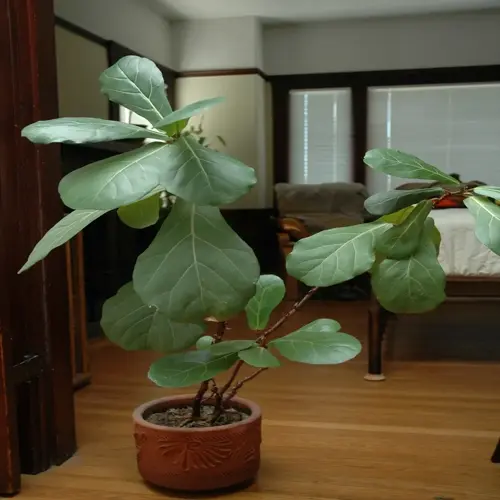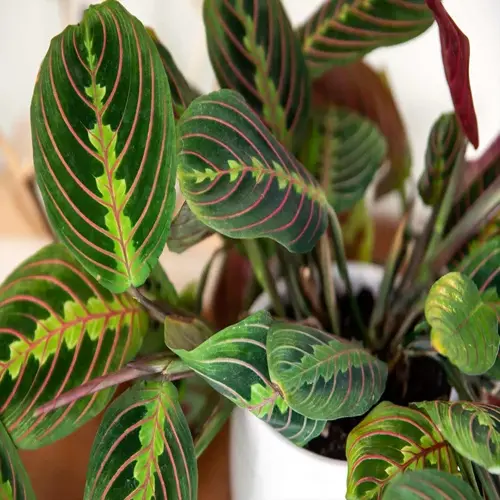

My Monstera Peru pushed out one new leaf at a time over two full years on a north windowsill, climbing its moss pole at a crawl. For a while I worried something was wrong with it. Then I checked the roots, the soil, the watering, and found nothing. The plant was fine. That slow Monstera Peru growth rate is just how this plant behaves, and it is normal.
Yes, your Monstera Peru is a genuine slow growing houseplant, and you should expect that from day one. It moves much slower than its famous cousins, so do not measure it against a fast Monstera deliciosa. A deliciosa can throw out a big new leaf every few weeks in summer. Your Peru takes its time and rewards you with thick, glossy, deeply textured leaves instead of speed. If you bought it hoping it would fill a corner by next month, you will be let down. If you bought it for those stiff, almost plastic-looking leaves, you picked the right plant.
The pace is not fixed, though, and you have real control over it. Three things speed your plant up: warmth, brighter indirect light, and higher humidity. Keep it in a warm room above 70°F (21°C) with bright light a few feet from a window, and you will see more leaves push out through spring and summer. Raise the humidity past 60% and your new growth comes in larger and healthier. A small humidifier near the plant beats misting every time. Misting fades within minutes and never changes the air around the leaves.
Winter is a different story, so do not panic when it happens. In cool, dim months your plant nearly stops. Growth stalls, and you might wait weeks with no change at all. This is not a problem you need to fix. Your plant is resting, and it will pick back up once the light returns and the room warms again. The worst thing you can do is keep watering on a summer schedule through this rest, because soggy roots in cold soil rot fast. Let the top inch of soil dry out before you water again, and cut back on how often you reach for the can.
Track growth by counting leaves, not days. One or two healthy new leaves a season is a normal, happy pace for this plant.
Patience pays off with the final Monstera Peru size. Grown on a support indoors, your plant reaches about 6 to 8 feet (1.8 to 2.4 meters) over the years. It climbs rather than spreads, so the leaves get bigger and the stem gets taller as it ages. Without a pole to grab, it tends to trail and stay small, with leaves that never reach full size. You will not hit that height in a year or even two. Think of it as a plant you grow over a decade, not a season, and the climb stays steady as long as you keep the conditions right.
So give your plant what it wants. Bright, indirect light is the biggest lever you can pull, and a moss pole or trellis is the second. Climbing plants put out larger leaves and grow faster once their roots find something to grip. These two changes do more than anything else to fill the plant out. Here is the simple routine I use to keep mine moving in the right direction.
Set your plant a few feet from a bright window where light is strong but never hits the leaves directly.
Give it a moss pole or trellis early so the roots can grip and the leaves grow larger.
Run a small humidifier nearby to keep the air above 60% during the active months.
Let the top inch of soil dry out, then water deeply, and back off in winter.
Do not try to rush your plant with food. Heavy feeding will not make a slow plant fast, and it can scorch the roots and brown the leaf edges. A diluted balanced fertilizer once a month during spring and summer is plenty. Skip it in winter when your plant is resting. Feed light, light it well, give it something to climb, and let it grow at its own pace. The reward is worth the wait, because a mature, well-supported Peru is one of the best-looking plants you can keep.
Read the full article: Monstera Peru Care Guide for Beginners