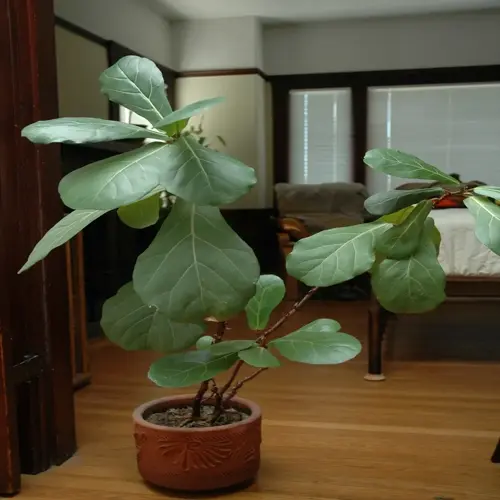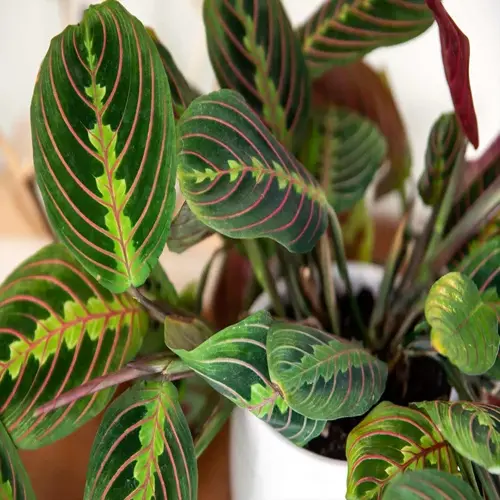

The tag says Monstera. The thick puckered leaves look the part too. Yet the Monstera Peru identity is one of the least settled names in the houseplant trade. The honest answer is probably yes, but nobody can prove it cleanly. It belongs to the Monstera group by every sign your eyes pick up. The exact species hiding under that label is still an open question.
Most shops sell your plant as Monstera karstenianum. That name has a problem. It is not an accepted name in Kew's Plants of the World Online. Scientists treat that database as the global record for plant names. So the label your plant came with is not a real, recognized species. It is a trade name that stuck and spread from one seller to the next. You will see it printed on tags, online listings, and care cards alike.
There is a strong candidate for what your plant truly is. Its name is Monstera boliviana. This one is a real, accepted species. It was first named back in 1910. Its home range runs from Peru into Bolivia. That fits the Peru part of the trade name. It also fits the wet, warm home this plant came from. So many experts now think your Peru plant is really this species. The shops just gave it the wrong tag.
So why is this such a mess? The whole genus is a tangle. A 2024 study in the journal Phytotaxa looked at these plants in depth. Monstera sits in the arum family, known to botanists as Araceae. The authors said no other group in that family is harder to pin down across Central America. They looked at roughly 4,500 dried plant samples to sort it out. Even then, many of the old traits used to tell species apart proved shaky. When the experts who study these plants still argue, a shop tag never stood a chance. Your plant got swept up in that same fog.
Treat 'Monstera Peru' as a nickname, not a species. The plant is a Monstera. The most likely true species is Monstera boliviana, while the printed name Monstera karstenianum has no scientific standing.
Part of the confusion comes from look-alikes. The same dark, ridged leaf gets sold under more than one name. Some plants are not even true Monstera at all. A few come from the pothos or the philodendron group instead. They still wear the Peru label by mistake. Two plants can share a shelf and a sticker without sharing a species. So a clear answer stays out of reach even now. You may own the same plant as your friend under two different names.
Here is the part that matters for you at home. The care does not change with the name. Your plant wants the same things no matter the species. Give it bright indirect light. Use a chunky soil mix that drains fast. Water it only once the top inch goes dry. In the wild it climbs as an epiphyte. So a moss pole brings out bigger, better leaves. None of that hinges on which Latin name wins.
So the Monstera Peru identity stays fuzzy, but my advice is simple. Buy by the leaf, not the label. Look for firm, deep green foliage with that bumpy, almost leather feel. Skip any plant with soft yellow patches or signs of pests. Check the back of a leaf or two for tiny bugs before you pay. A healthy plant is a healthy plant no matter what the tag claims. Pick the strongest plant in the batch and the name barely matters. You can grow yours well for years while the botanists keep sorting out the paperwork. Your plant will never know the difference, and neither will your living room.
Read the full article: Monstera Peru Care Guide for Beginners