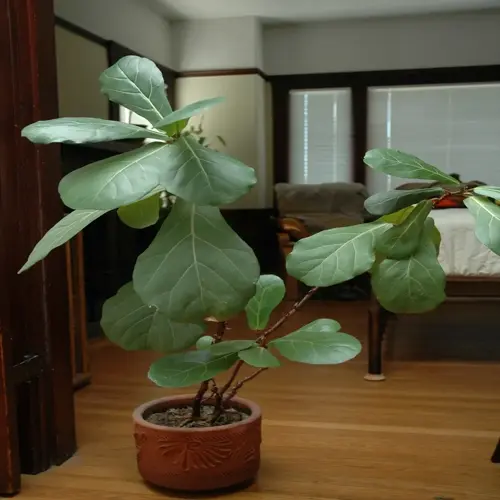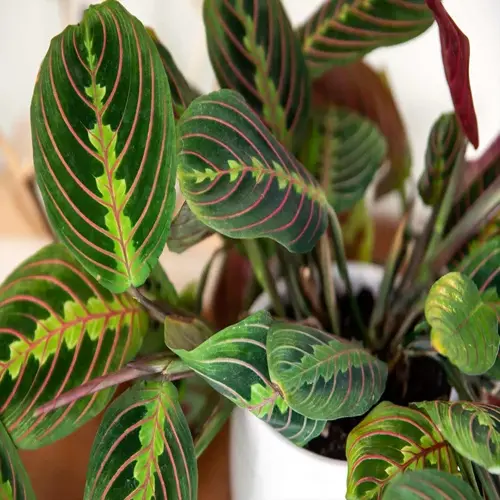

I run my thumb over the puckered leaves of my own Monstera Peru on the north windowsill. They feel like braille. Even on a gray January day I noticed the thick green surface stayed glossy and threw back the dim sun. Yes, the Monstera Peru indoor plant is a great pick for most homes. It earns that spot on looks alone, and that is before you count how easy it is to keep alive. I have grown this one for two years with very little fuss.
It makes a strong beginner houseplant because it forgives the mistakes new growers make. The leaves are thick and stiff, almost like rubber. They store water right inside them. So if you miss a watering by a few days, the plant barely notices. That buffer is why it shrugs off a busy week or a short trip away from home. You do not have to baby it.
Most homes give this plant just what it wants with no extra effort. It handles average household humidity in the 40% to 60% range. So you do not need a humidifier running all day. It also takes medium light well. A few feet back from a window suits it fine. Bright direct sun can scorch those waxy leaves, so keep your plant a little distance away to protect them.
Size is another point in its favor. This plant stays manageable. It will not take over a room the way some larger aroids do. Give it a moss pole or a small trellis. Then it will climb to about 6 to 8 feet (1.8 to 2.4 meters) indoors over a few years. Skip the support and it stays more compact and trails instead. You control the look by what you give it to climb.
It even thrives in spots where most plants struggle. I keep one on my desk at work under nothing but artificial light. It has held its color and pushed out new leaves for over a year now. Offices, basements, and rooms with small windows all work for it. Give it some steady light each day and it grows at a slow, even pace that never gets out of hand.
The slow growth is part of why it works as a low maintenance plant. You repot it less often. You prune it rarely. You almost never have to wrestle it back into shape. A monthly feed in spring and summer keeps it happy. In winter you can step back and leave it alone for weeks. It will not punish you for the break. That hands-off habit is what makes it such a good fit for busy people.
- Water: Wait until the top two inches of soil feel dry, then water until it drains out the bottom.
- Light: Set it near a bright window, but keep it out of harsh direct sun so the leaves do not scorch.
- Support: Add a moss pole once you see aerial roots, and your plant will climb and grow bigger leaves.
- Wipe the leaves with a damp cloth every few weeks so they stay glossy and soak up more light.
There are only two real cautions you need to keep in mind. First, this plant is toxic to pets and children. The leaves hold tiny crystals that sting the mouth and throat if chewed. So keep your plant on a high shelf or in a room your cat and toddler cannot reach. Second, fight the urge to overwater it. The thick leaves already store water on their own. Soggy soil drowns the roots and brings on rot. Let the top couple inches of soil dry out before you water again. Do that, and your plant will reward you with healthy new growth for years.
Read the full article: Monstera Peru Care Guide for Beginners