
One plant can sit on a shop shelf wearing three or four names at once. That is the whole story behind the Monstera Peru other names you keep seeing. You will spot three main aliases. The first is Monstera karstenianum. The next is Green Galaxy Monstera. A third tag reads Epipremnum pinnatum Marble Planet. Sellers pick whichever one moves stock. So one plant ends up with a small pile of labels, and you get stuck guessing.
Monstera karstenianum is the name you will spot most often on tags and in plant groups. It looks scientific, and that look does a lot of work. But it is not a name that the botanical authorities have signed off on. Kew, the body that keeps the master list of accepted plant names, does not recognize karstenianum as a real species.
So the most common name you see is also the shakiest one. That gap between what sounds official and what is official is why your labels stay so messy. You can trust the karstenianum tag to point at the right plant. You just cannot trust it as a true species name.
Here are the names you are most likely to meet, and where each one comes from.
Monstera karstenianum
- Most common tag: This is the default label sellers print, and it shows up across nurseries and trade sites.
- Not accepted: Kew does not list it as a valid species, so the official record treats it as unresolved.
- Why it sticks: It sounds like a proper botanical name, so buyers trust it and keep passing it along.
Green Galaxy Monstera
- A trade name: This one is built for marketing, not for any plant register or science journal.
- Same plant: It points to the same thick, dark-green foliage as the karstenianum tag does.
- Catchy on purpose: The name reads well on a shop listing, which is most of why it spread.
Epipremnum pinnatum Marble Planet
- Wrong genus, maybe: This tag drops the plant into Epipremnum instead of Monstera, which adds to the confusion.
- Still the same look: The leaves match what people sell as Monstera Peru, puckered and stiff.
- Seller variation: You see it less than the other two, but it turns up enough to muddy things further.
There is a deeper reason the Green Galaxy Monstera and its cousins never settle on one name. The plant may not be a separate species at all. Many growers now think it is Monstera boliviana. That is a real, accepted species. It grows wild in Peru and Bolivia. That native range is most likely where the word Peru in your plant's trade name came from.
If that is true, then karstenianum was never a real species. It was a stand-in name. It filled the gap while nobody had matched your houseplant to its wild relative. Once a plant has no firm home in the records, sellers feel free to make up labels. That is how you end up with four names for one pot.
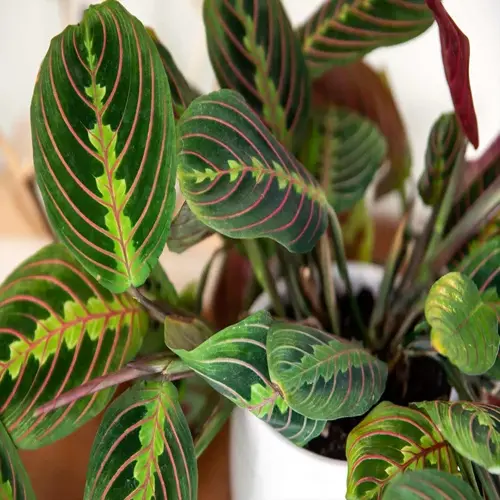
So what should you actually trust? The leaf, not the label. This plant has thick, stiff foliage with a deep green color and a puckered, almost quilted surface that catches the light in ridges. That texture is far more reliable than any name on a tag, because the texture cannot be swapped out for marketing reasons.
Learn to read that leaf and you can shop with confidence. It will not matter which of the Monstera Peru other names a store has chosen. You buy the plant you want either way. The full name debate, with all the back and forth over boliviana, belongs to the identity question. For your day-to-day shopping, you should read the foliage first. Then let the names sort themselves out.
Read the full article: Monstera Peru Care Guide for Beginners