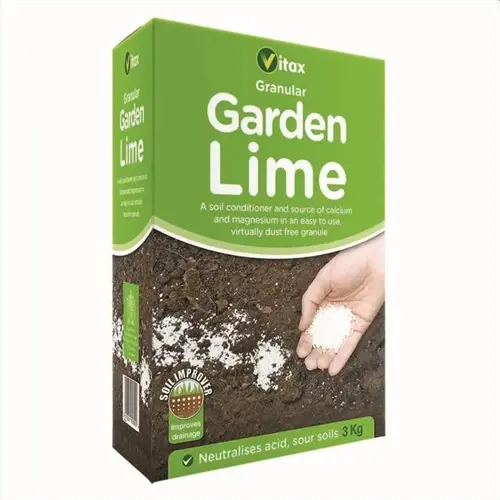

A bag of garden gypsum sits in the back-fence shed, slumped against the wall and half empty. The powder inside has set hard and lumpy, the way flour does when damp gets to it. I bought it to break up heavy clay. A soil test I ran a year later showed that clay never needed it. That dead weight on the shelf points to the real disadvantages of gypsum, and most of them trace back to using it on soil that was fine all along.
The biggest of the gypsum drawbacks is simple. On most garden soil, gypsum does nothing useful at all. It only loosens clay when that clay is sodic, which means the clay holds too much sodium. Calcium from the gypsum swaps places with that sodium, and then the freed clay particles can clump and drain. If your soil is not sodic, there is no sodium to push out. Your structure stays exactly the same, and your money stays gone. Most home gardens have plenty of calcium and no sodium problem at all, so the mineral has nothing to react with in your beds.
Gypsum also cannot fix two problems you might expect it to solve. It will not change your soil pH, because calcium sulfate sits close to neutral and adds no lime. So a sour, acidic bed stays just as sour after you spread it. It will not undo compaction either, the kind you get from foot traffic or a heavy mower. Packed ground needs air and living roots to open it back up. A mineral that washes straight through cannot lift soil that machines pressed flat, so you end up with the same hard layer you started with.
Gypsum will not raise your pH, will not loosen compacted soil, and does nothing on soil that is not sodic. Confirm a real sodium problem with a test before you ever buy a bag.
Even where gypsum works, the help fades. The gypsum temporary effect is one of the most overlooked catches. Once the calcium sulfate dissolves and the sodium leaches below the root zone, the job is done and the mineral is gone. You have to reapply it season after season to hold the gain. That ongoing cost adds up fast, and it buys you nothing on soil that never had a sodium problem in the first place. You are stuck paying for a fix that drains out of your beds with the next few rains.
Overuse carries a real cost too, and this is one of the sharper disadvantages of gypsum. Pour on more than your soil needs, and the extra sulfate can pull magnesium and potassium out of the root zone with the sodium. You can strip nutrients your plants want, and then you fix a shortage you made. Two big garden experts warn about this. Both WSU and Iowa State say gypsum is not needed in most soils that are rich in calcium. For those gardeners, it is closer to a gypsum waste of money than a real fix.
So weigh these drawbacks against one thing only, your soil test result. If your test shows a genuine sodium problem, gypsum earns its place, and the temporary effect is worth managing each season. If your test does not, skip the bag and keep your cash. Work in two to three inches of compost to feed soil life and build crumb instead. For packed ground, open it with a broadfork and deep-rooted cover crops over a season. Both of those fixes last longer and improve far more than gypsum ever could on soil that was never sodic to begin with.
Read the full article: Gypsum Soil: What It Does and When to Use It