
A pot packed with vermiculite can still feel wet three or four days after you water it. That sponge effect is the heart of the disadvantages of vermiculite. The main ones are simple. It holds too much water for some plants, it can push your soil pH up, and it is a mined, nonrenewable mineral with no nutrients of its own.
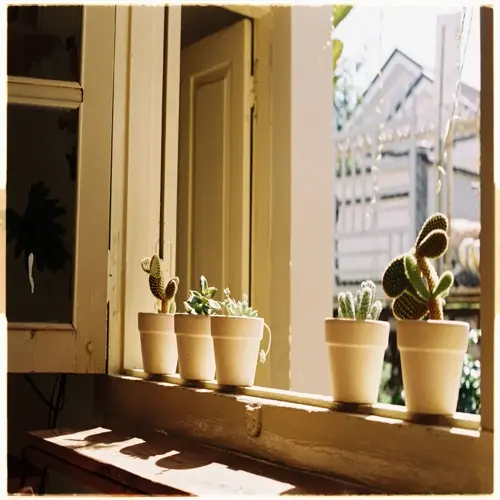
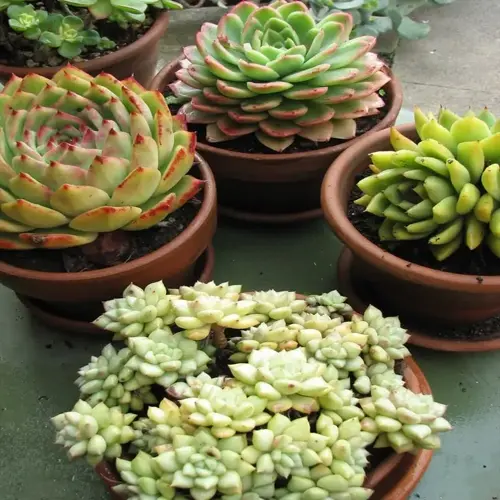
The biggest of the vermiculite drawbacks is moisture. Each tiny flake works like a sponge and soaks up water far past what many roots want. For plants that like to dry out between drinks, that soggy feel spells trouble. Cactus, succulents, and most herbs hate it. Their roots need air, and constant wet leads to rot.
Here is the science in plain terms. Roots breathe through the air pockets in soil. When vermiculite stays full of water, those pockets stay flooded and the roots can drown. Use too much and your mix turns into a heavy, soggy block. Drainage stalls, oxygen drops, and root problems show up fast.
The second issue is soil pH. Vermiculite has a strong buffering effect, which means it resists change and holds the soil pH in a steady range. That sounds handy, but it can lock your soil near 7.0 to 8.0 no matter what you add. Acid-loving plants suffer here. Berry bushes and many flowers want acidic ground. This mineral works against them, and your plants pay for it with weak growth and yellow leaves.
Why does the pH matter so much? When the ground sits too high on the scale, plants cannot pull iron and other minerals out of the soil. The food is there, but the roots cannot reach it. You see pale, sad leaves on a plant you keep feeding. The fix is not more fertilizer. The fix is the right pH, and heavy vermiculite makes that hard to dial in.
There are a few more things worth knowing before you buy a bag.
Nonrenewable Source
- Mined material: Vermiculite is dug from the ground and cannot be made again, so supply is limited.
- Heavy processing: It gets heated and expanded in a factory, which adds cost and energy use.
- Long-distance shipping: Most of it travels far before it reaches your garden, raising the real price.
No Nutrients Added
- Empty filler: It feeds your plants nothing on its own and only stores what you put in.
- Extra feeding needed: You still have to add compost or fertilizer to grow strong plants.
- Holds, not gives: It can grab nutrients from water, but it makes none of its own.
Dusty When Dry
- Fine particles: Dry vermiculite throws off a light dust that you can breathe in while mixing.
- Wear a mask: A simple dust mask keeps the particles out of your lungs during work.
- Wet it first: A quick spray of water cuts the dust before you blend it into soil.
None of this means you should skip vermiculite for good. It works well in seed starting trays and for thirsty plants that wilt the moment the soil dries out. The trick is the amount. A small dose helps, but a heavy hand turns your pot into a swamp. You just have to use it with care and match it to what you grow.
Keep it to about one-third of your mix so the soil still drains and breathes. For acid-loving plants, pair it with peat, which pulls the soil pH back down toward the range they want. When fast drainage matters more than holding water, reach for perlite instead. Perlite drains quick and stays light, which suits cactus, succulents, and herbs much better. Match the material to the plant and the disadvantages of vermiculite stop being a problem at all.
Read the full article: Vermiculite Soil: A Complete Garden Guide