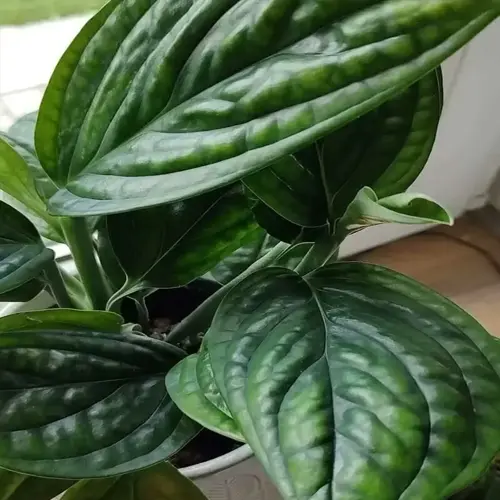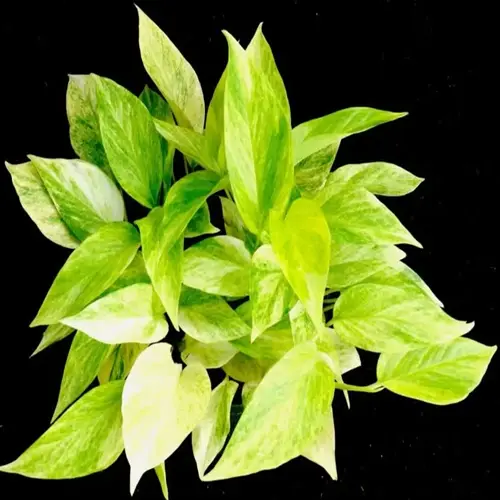

The most common Peperomia Hope problems fall into three groups: legginess, root rot, and pests like mealybugs. Each one traces back to a single care mistake, so once you spot the cause you can fix it fast. Get the light, water, and air right and this plant stays full and trouble free for years.
I pruned a fistful of stretched, bare stems off my own Hope as it trailed from a macrame hanger by a bright east window. I pulled the longest stems through my fingers and noticed wide gaps between the round leaves. I slid the pot right up to the glass, and the new growth came in tight and bushy with the leaves spaced close together.
That stretching is the most common issue you will hit. A peperomia hope leggy look means your plant is reaching for light it cannot find. The stems lengthen and the leaves spread apart as the plant hunts for brighter spots. Move it to bright indirect light near a window, then pinch back the long stems. New shoots fill in the gaps and your plant rounds out again. You can root those trimmed cuttings in water if you want a fuller pot.
Water trouble is the next big one. Peperomia hope root rot starts when your soil stays soggy too long. This plant has shallow roots that hate sitting in wet mix. They blacken and turn to mush, and the damage shows up top-side as yellow, mushy leaves and a soft, drooping stem. Let the top inch of your soil dry between waterings and make sure the pot has a drainage hole. If you are not sure, wait an extra day, since this plant forgives a dry spell far better than a wet one.
If rot has set in, act fast. Pull your plant out, snip off any black or slimy roots, and let the rest dry for a few hours. Repot in fresh, dry mix that drains well, like a chunky blend with perlite. Skip your next watering and give the roots time to recover before you soak them again. A pot only slightly bigger than the root ball helps, since a huge pot holds water your shallow roots cannot use.
Legginess
- Cause: Too little light makes stems stretch with wide gaps between the round leaves.
- Fix: Move to brighter indirect light, then pinch and prune the leggy stems to rebuild fullness.
Root rot
- Cause: Overwatering leaves the shallow roots sitting in soggy soil until they blacken.
- Fix: Let soil dry, ensure drainage, and if rot is advanced, unpot, trim black roots, and replant in fresh dry mix.
Pests
- Cause: Mealybugs and spider mites move in, often on stem joints, in warm dry air.
- Fix: Wipe them off, then apply diluted neem oil or insecticidal soap per the label, reapplying weekly until clear.
Pests round out the big three. Warm, dry air invites mealybugs and spider mites, and they love to hide where the stems join. Watch for white cottony specks tucked into those joints, since that is the classic mealybug sign. Curling leaves with dry, crisp edges point to low humidity or thirst rather than bugs, so check the air before you reach for spray.
To clear pests, wipe the bugs off with a damp cloth first. Then treat the whole plant with diluted neem oil or insecticidal soap, following the label rate. Reapply once a week until you see no more specks. Raise the humidity around the plant too, since dry air keeps mites coming back. A simple pebble tray or a nearby humidifier does the job.
Keep the routine simple and most Peperomia Hope problems never start. Give your Hope bright indirect light, water only when the top inch dries, and check the stem joints once a week. Do those three things and you will spend far more time enjoying the plant than fixing it.
Read the full article: Peperomia Hope Care: Complete Guide