
Most alocasia zebrina problems come from a short list of usual culprits. The big four are soggy soil that yellows leaves, dry air that crisps the edges, pests, and standing water that rots the roots. Get those four under control and the plant mostly takes care of itself.
Read your plant like a dashboard. One yellow outer leaf is routine, since the plant drops its oldest leaf as it pushes out a new one. Several inner leaves going pale at once is a different signal. That pattern points straight at how you water, not at a sick plant. So count the yellow leaves before you change anything.
Each symptom has a cause behind it. Yellow leaves in bunches mean you have overwatered and the soil is soggy, more often than anything else. Drooping stems mean your plant is thirsty, sitting in low light, or recovering from a recent move. Brown crispy edges mean the air around it is too dry. Mushy stems with a sour smell mean the roots are rotting in wet soil. Once you know which signal you are looking at, the fix is simple.
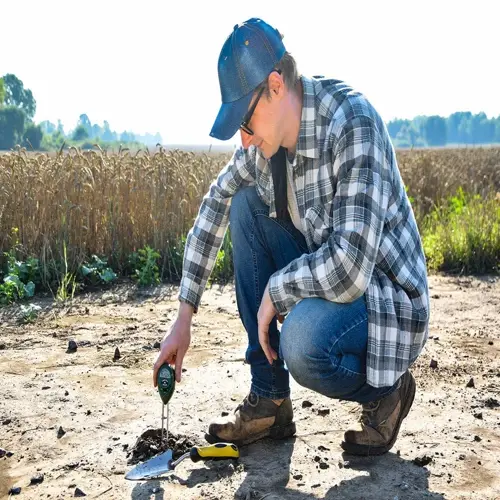
The fix for soggy soil is the top 2 inches (5 cm) dry-down rule. Push a finger into the pot before you water. If the top knuckle still feels damp, wait a day or two and check again. This one habit stops most yellowing before it starts and keeps the roots out of trouble.
Dry air is the next thing to chase down. Those brown, papery edges show up fast when the room sits below 60% humidity. A small humidifier near the plant works best, and a pebble tray under the pot helps in a pinch. Group it with other plants too, since they raise the moisture around each other.
Spider mites root rot sit at opposite ends of the trouble list. You treat both the same way, by acting early. Mites leave fine webbing and tiny pale speckles on the leaves. Wipe your leaves down and move the plant away from the rest. Then hit it with neem oil or insecticidal soap. Repeat every few days until the webbing clears. Mealybugs respond to the same neem oil routine, so check the leaf joints for white fuzz while you are at it.
Root rot is the one that kills the plant if you wait. A sour smell and soft, brown roots mean water has been sitting too long. Tip the plant out, snip away every mushy root, and repot into a fresh chunky, fast-draining mix. Then water far less while it builds new roots.
Match the symptom to its cause and you skip the guesswork. Most alocasia zebrina problems trace back to water. So water with care and you fix the bulk of them. Keep the air moist and your leaf edges stay soft and green. Treat pests and rot the day you spot them, before they spread. Start with the dry-down rule and you head off the rest. When in doubt, wait a day and water less.
Read the full article: Alocasia Zebrina Care Guide