
Gypsum dissolves in soil water and splits into calcium ions and sulfate ions that swap onto your clay particles. That single reaction explains the whole gypsum effect on soil. It feeds the plant calcium and sulfur, and in the right kind of dirt it helps the clay clump together so water drains. It does not loosen every heavy soil, and it will not change your pH.
The mineral itself is gypsum calcium sulfate. Chemists call it calcium sulfate dihydrate, but the plain name works fine. Iowa State Extension lists it at about 22% calcium and 17% sulfur by weight. So one bag of it hands your soil two nutrients at once. Your plants pull calcium to build strong cell walls. They pull sulfur to make protein. If your soil test shows you are short on either, gypsum is a clean way to add them without much fuss.
The real magic happens in sodic soils, where too much sodium has wrecked the dirt. Sodium pries the clay particles apart, so the soil seals up tight and your water just pools on top. Add gypsum and the calcium trades places with the sodium clinging to that clay. The freed sodium then washes down past your root zone with rain or irrigation. Calcium lets the clay flocculate, which is a fancy word for clumping into crumbs. You can watch a sealed field start to drain again within a season or two once the sodium is on its way out.
Those crumbs are what people mean by good gypsum soil structure. Your water moves through the gaps between the crumbs instead of sitting on a slick surface. Roots get air. Seedlings push up through ground that used to crust over hard. This is the one job gypsum does that no fertilizer can copy. It is the reason farmers in salty regions buy the stuff by the ton. If your beds form a hard sodium crust after every rain, this is the change you are after.
Gypsum only fixes structure when sodium is the problem. On a sodic soil it can cut crusting and boost water flow. On plain clay with no sodium, it changes almost nothing.
Here is the catch most labels skip. In ordinary clay there is no sodium for the calcium to replace, so nothing changes. The clay stays heavy because the problem was never sodium. It was just dense soil. People spread gypsum on stubborn garden beds and wait for it to break up the dirt, but the structure barely moves. For that kind of clay, compost and organic matter do far more good than any mineral.
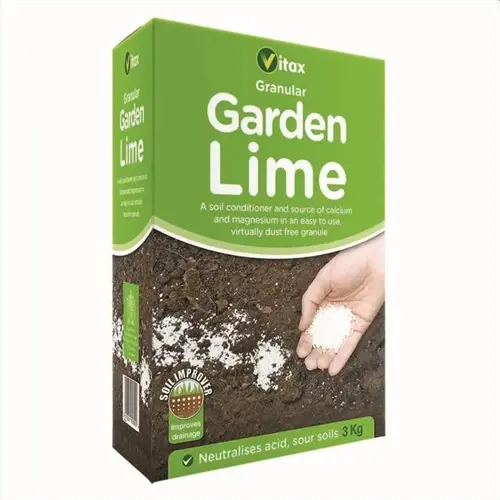
One thing gypsum never touches is your acidity. It is gypsum pH neutral, which means it does not act like lime. Lime raises pH because it carries carbonate, and gypsum has none of that. So you can correct a calcium or sodium problem without nudging your pH up or down. That is handy when your pH already sits where you want it and you only need to top up the calcium. Reach for lime when you want to raise pH, and reach for gypsum when you do not.
Before you buy a single bag, get a soil test that reports your sodium, calcium, and pH. Gypsum earns its keep on sodic ground or on soil that tests low in calcium or sulfur. Spread it anywhere else and you are paying for a result you will never see. Test first, read the numbers off the report, then decide. That order saves you money and gives the gypsum a real job it can actually do for your soil.
Read the full article: Gypsum Soil: What It Does and When to Use It