
Last fall I scattered a thin layer of gypsum granules across the back-fence bed, white grit sitting right on top of the dark soil. One heavy overnight rain came through. By morning the granules were gone, soaked into the surface like they had never been there. That vanishing act shows you exactly what gypsum when it gets wet really does. It dissolves and moves into the soil fast.
Gypsum dissolving in water is the whole point of putting it down in your beds. The mineral is calcium sulfate, and water pulls it apart into two pieces. You get calcium ions and sulfate ions floating loose in your soil moisture. Neither one stays put as a solid grain once the rain hits it. That is why you never find the granules later when you dig.
Here is what each piece does once it spreads through your soil solution. The calcium swaps places with sodium and other ions stuck to your clay particles. This trade helps tight clay loosen so water and air can move through. The sulfate stays mobile and travels with the water. It feeds your plants a bit of sulfur as it goes, which most beds can use.
Calcium ions
- What they do: They push sodium off your clay and take its spot, which helps the soil clump and drain better.
- How they move: They cling to clay, so they stay in the root zone longer than sulfate does.
- What you see: Your heavy clay starts to crumble instead of sealing into a hard crust after rain.
Sulfate ions
- What they do: They feed your plants sulfur, a nutrient many garden beds run short on without you knowing.
- How they move: They stay loose in the water and travel down with it, so they leach out faster.
- What you see: The benefit fades after heavy rain, which is your cue that another batch is due.
The leftover water
- What it does: It carries both ions down into the soil for you, so you skip the digging and mixing by hand.
- How it moves: It seeps straight down through the pores, pulling the dissolved gypsum toward your roots.
- What you see: The white grit on the surface is gone by morning after the first real soaking.
Gypsum does not dissolve as fast as table salt, but it dissolves enough to matter. Its calcium sulfate solubility sits near 2.4 grams per liter of water in cool soil. That number sounds small. But a steady rain or a few good waterings can still carry most of a surface batch down to your roots. Most of it moves in a few weeks.
Wet gypsum breaks into calcium and sulfate ions. Calcium trades onto clay to improve drainage, while sulfate moves with the water and can leach away over time.
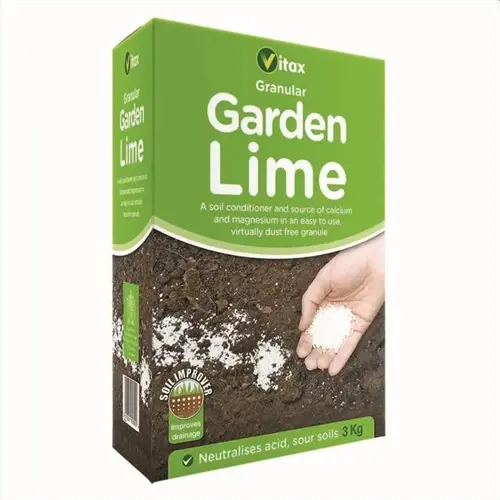
The speed surprises people who are used to lime. Gypsum more soluble than lime is the key difference here, and it is a big one. Rain carries gypsum into your soil far quicker than lime ever moves. That fast action is a real benefit when you want results in one season. But it cuts both ways. The same solubility means the gain is temporary. Heavy rain can flush the sulfate and some calcium right past your roots.
Because wet gypsum dissolves and moves so fast, timing matters more than most people think. Spread it a day or two before steady rain is in the forecast. The rain works it in for you with no watering and no digging needed. If you apply it during a dry spell, it just sits on the surface doing little until moisture arrives.
Plan on reapplying over time, since the gain does not last forever. One pass will not fix heavy clay or a sodium problem for good. Most beds benefit from a fresh application once a year, usually in fall or early spring when rain is reliable. Watch how your soil drains after a downpour. When water starts pooling again, that is your sign the last batch has leached through and it is time for more.
Read the full article: Gypsum Soil: What It Does and When to Use It