
Pour water onto a tray of wet vermiculite and the flakes soak it up right away. The pale gray bits darken and feel heavier the moment they get damp. They swell a little, and they hold the water deep inside their layers long after the top looks dry.
That damp feel sticks around for days. You can press a finger into the surface and find it dry, then dig down half an inch and feel cool moisture. The water does not run off or drain out fast like it would from sand or bark. It stays put, locked inside each flake until a root or the dry air pulls it back out.
You will spot the change with your own eyes the second water lands. Dry vermiculite is a light, dusty gray that almost floats. Wet it down and the color shifts to a deep brown, and the whole batch settles and clumps together. Lift a wet handful and you can feel the weight in your palm. It is the same flakes, just full of water now, like a sponge you pulled out of the sink.
The trick lives in the shape of each piece. Vermiculite starts as a flat mineral, and a quick blast of heat makes it pop open into thin stacked sheets. The result looks like a tiny accordion, full of small gaps between each layer. Those gaps act like little sponges. They pull water in, hold a lot of it, and let it back out slow and steady to nearby roots.
This layered build gives vermiculite its strong moisture absorption. A single handful can hold several times its own weight in water. The good vermiculite water retention is why so many growers mix it into seed trays and potting blends. It keeps the root zone evenly damp without turning into a soggy mess.
Getting wet does not hurt vermiculite at all. The mineral stays sterile, so it will not rot, grow mold, or break down the way peat or wood chips do. You can soak it, dry it, and soak it again for years. That clean, steady habit is why it works so well for seed starting. It also makes it the top pick for packing around bulbs in winter storage. Wet rot would ruin a stored bulb, but damp vermiculite holds just enough moisture to keep it firm without spoiling it.
Seeds love the same thing. When you sow into a wet vermiculite layer, your seeds get steady moisture against their coats without sitting in standing water. That balance helps them swell, crack, and sprout on time. You also dodge the fungus that kills young seedlings, since the sterile mineral gives mold nothing to feed on. Cover your seeds with a thin dusting of it and you lock in damp air right where they need it.
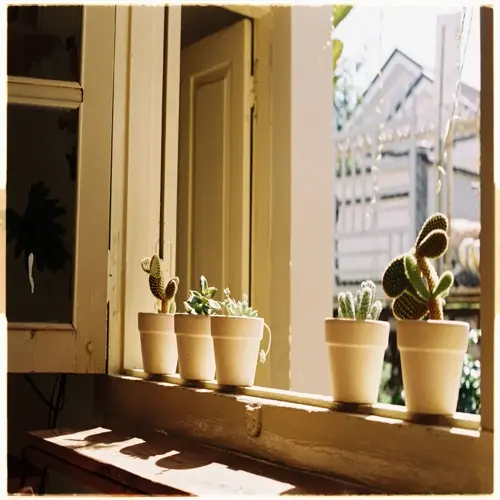
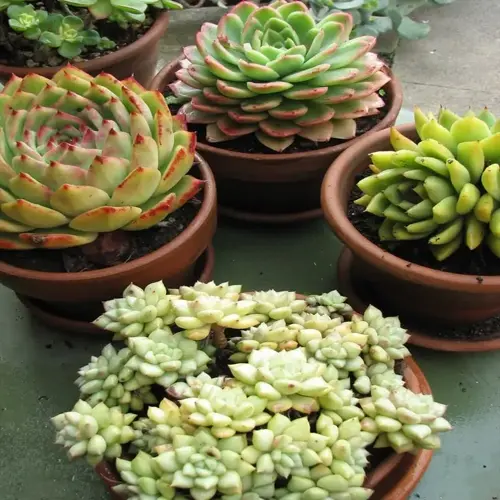
Match the amount to the plant and you avoid most trouble. Mix in plenty for thirsty plants like tomatoes, ferns, and most veggie seedlings that hate drying out between waterings. The slow release keeps them fed with moisture even on hot days. Pull back hard for cactus, succulents, and herbs that want their roots to dry out, since too much vermiculite traps water and rots them from below.
Go light on watering once vermiculite is in the mix. Because it holds so much, the soil stays damp longer than you expect, and the surface tricks you into thinking it has gone dry. Check an inch down before you reach for the can. Start with about a quarter to a third of your blend for moisture lovers, then adjust as you learn how often each pot really needs a drink.
Read the full article: Vermiculite Soil: A Complete Garden Guide