
The most common another name for gypsum is its chemical name, calcium sulfate dihydrate. The same rock also goes by land plaster on a farm bag. A mineral guide may call it selenite. A garden center may stock it as agricultural gypsum. So you may meet four or five labels for one product. Which name you see just depends on where you read it. A chemistry sheet, a farm-store bag, and a rock-collector guide each pick their own word for the very same stuff.
On a science label you will see calcium sulfate dihydrate. That phrase comes straight from the chemical formula, CaSO4 with two waters of hydration. The word dihydrate just means two water molecules sit locked inside each crystal. Heat the mineral and those waters leave, which is how factories turn raw rock into plaster of Paris and drywall. Add water back and it sets hard again. That single trick is why gypsum has built walls for thousands of years.
In a mineral guide the clear, glassy crystal form goes by selenite. Rock shops also sell the silky fibrous version as satin spar and the fine-grained block form as alabaster. These are not different chemicals. They are the same calcium sulfate that grew into different shapes, so a mineral name tells you about the crystal, not the content. Gypsum is also soft. It sits at 2 on the Mohs hardness scale, which means your fingernail can scratch a fresh face.
Walk into a feed and seed store and the bag will likely say land plaster or garden gypsum. Farmers have used the term land plaster for over two hundred years, long before anyone wrote the chemical formula. The name stuck because the powder looks and pours much like wall plaster, even though you spread it on soil instead of walls. Benjamin Franklin is often tied to early American use of land plaster on fields, which shows how long the name has been around.
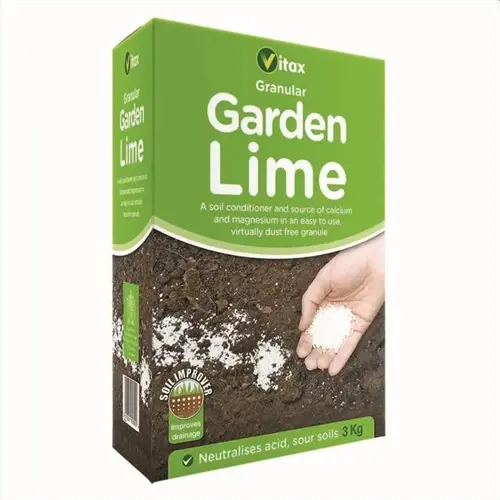
The soil-grade powder is sold as agricultural gypsum, and it does real work in the garden. A typical fertilizer grade runs about 22% calcium and 17% sulfur by weight. Those two nutrients feed plants and loosen tight clay without changing your soil pH. That pH point is the main reason gardeners reach for it instead of lime. Lime sweetens acid soil and raises pH, while gypsum leaves the number alone. So gypsum fits beds that already sit near neutral. It also helps wash out road salt and excess sodium near driveways and coastal yards. The calcium swaps places with the sodium, and rain then carries the salt down past the roots.
Knowing all the names also keeps you from buying the same thing twice. A gardener might pass on land plaster and then grab a bag marked garden gypsum, thinking they are two products. They are not. Both bags hold the same calcium sulfate, just under names that different sellers happen to prefer.
All these names point to one calcium sulfate, so do not let the front of the bag decide your purchase. Compare products by purity and particle size instead. A finely ground, high-purity gypsum dissolves and acts faster than a coarse, low-grade one. Pelletized grades cost more but spread cleaner and kick up less dust. The brand name and the fancy mineral term mean far less than what is actually inside the bag. Read the analysis on the back, and you will buy the right gypsum every time.
Read the full article: Gypsum Soil: What It Does and When to Use It