
Put vermiculite in soil and your seed tray stays damp for days. Leave plain garden dirt in the next tray and you watch it crust over and dry out within hours. That gap sums up the three main jobs this mineral does for you. It holds water for your roots, it grips nutrients so they do not wash away, and it keeps the mix loose so air can reach down. Most of the common vermiculite uses trace right back to those three traits, and that is why you see it on so many garden shelves.
It helps to know what you are adding. Vermiculite starts as a layered rock. A factory heats it until each flake puffs up like popcorn into a stack of thin plates. Those plates trap water in tiny gaps and soak it up the way a kitchen sponge does. They also carry an electric charge that grabs onto plant food and holds it close. The grip is strong, with a cation exchange capacity of 105 to 174 meq per 100 grams. So your flakes pull in water and nutrients, hang onto both, then feed them back to roots over time.
Think of vermiculite as a moisture buffer for your pots. It hands water and nutrients back to roots in slow drips, so your plants ride out a missed watering without wilting on you.
This is why you reach for it as a soil amendment on so many jobs. It is the classic pick for seed starting, since young roots want steady moisture and not a swing from soggy to bone dry. You can sift a thin layer over your freshly sown seeds to lock that dampness in and still let sprouts push through. It also makes a fine rooting bed for cuttings, because the soft flakes cradle the new roots and will not snap them when you lift the plant.
Out in the yard the same traits pay off for you. Mix a few handfuls into sandy soil and the ground stops draining so fast, which cuts how often you drag the hose out. When you reseed a bare lawn patch, spread a light coat over the fresh grass seed to keep that top layer moist while sprouts come up. A good rate for that job is about 3 cubic feet per 100 square feet, or roughly 0.08 cubic meters per 9 square meters. The flakes shield your seed from sun and wind, and the soil under them stays damp far longer than bare ground would.
Here is the simple rule for your own pots. Use about one-third vermiculite in your potting mix when you want steady moisture. That ratio suits seedlings, ferns, and any plant that sulks the moment it dries out. Blend it with peat or compost and your mix holds water without turning into mud at the bottom. The flakes do the heavy lifting for you. You can miss a watering day and your plants will still be fine when you get back to them.
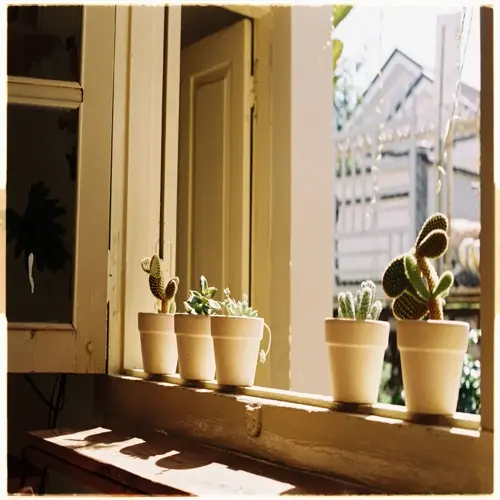
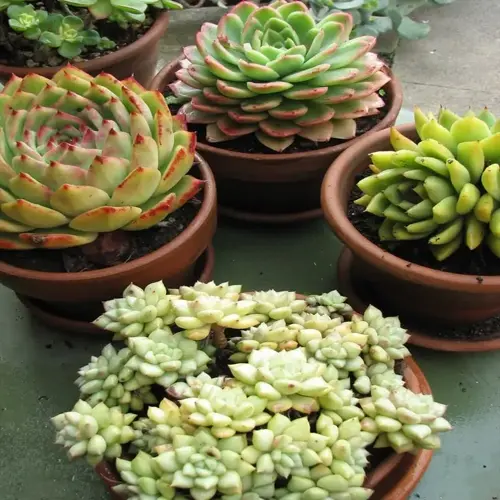
Know when to leave it on the shelf too. Vermiculite holds water, so it is the wrong pick when your plant wants sharp drainage. Reach for perlite instead with your cacti, succulents, and many orchids, because those roots rot fast in a mix that stays wet. Here is a quick way to choose. Put vermiculite in soil when your plant likes a moist root zone all the time. Pick perlite when your plant likes to dry out between drinks. Match the flake to the plant and you will water less and lose fewer roots.
Read the full article: Vermiculite Soil: A Complete Garden Guide