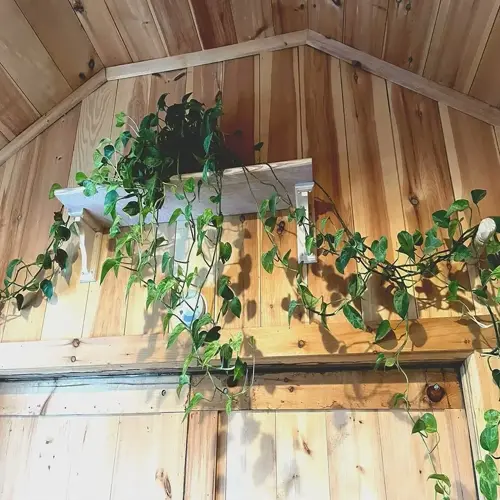

"My cactus could never go like your ferns did," my neighbor said over the fence, nodding at the brown mess I was hauling to the bin. I pulled one dead fern from its pot and the roots came out black and mushy in my hand. She was mostly right. The plants prone to root rot are the thin-rooted, moisture-loving ones like ferns, pothos, peace lilies, and most vegetables. Cacti and succulents sit on the safe side. They store water and shrug off dry soil, so they rarely rot the way thirstier plants do.
Here is the simple split you can use. Root rot needs roots that stay wet long enough to suffocate and let pathogens move in. Plants built for soggy ground or with fine, shallow feeder roots cross that line fast. Drought-adapted plants almost never do. Once you see your plants this way, root rot susceptible plants are easy to spot before you even buy them. You start reading the plant tag for how much water it wants, and that tells you the risk.
Why does the root type matter so much? Fine feeder roots are thin and packed close together, so a wet pot starves them of oxygen within days. Ferns evolved for damp forest floors, but in a pot with no airflow that same love of moisture turns into a trap. Your pothos and peace lilies act the same way. They want steady moisture, yet they drown if the soil never drains, because the line between moist and waterlogged is razor thin. Miss that line and the roots rot before the leaves even warn you.
Succulents play by a different rulebook. They pack water into thick leaves and stems, so they can sit through a dry spell with no stress. That same trait makes them plants resistant to root rot. Their roots expect the soil to dry out between drinks, and they handle drought far better than constant wet. A cactus left bone dry for two weeks barely notices. A peace lily in the same spot would wilt by the third day. So if you want a hands-off plant, you lean toward the resistant group.
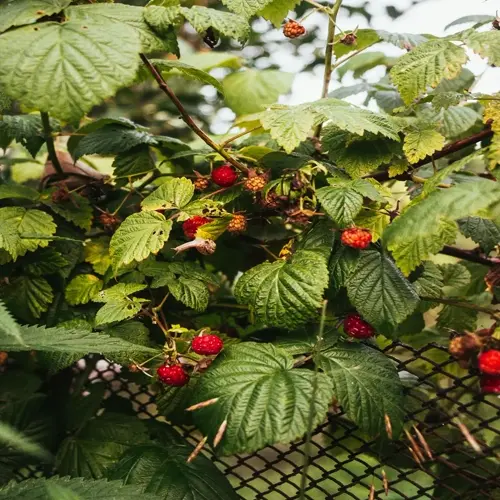
Your vegetable beds follow the same rule. Many crops grow fast and push out shallow roots that need air as much as water. Tomatoes, peppers, beans, and squash all rot quickly in heavy, waterlogged soil. The pattern holds outdoors and indoors. The faster a plant grows and the finer its roots, the less wet soil it tolerates before trouble starts. If your garden sits in clay that holds water, those crops are the first ones you will lose.
Your fix is to match the soil and the watering to each plant, not to the calendar. Give your moisture-loving plants a free-draining mix with perlite or bark so the roots get air even when the soil stays damp. A pot that drains well lets you water a fern often without the roots ever sitting in a puddle. That blend of steady moisture and fast drainage is what these plants want from you. Add drainage holes if your pot has none, because a sealed pot turns even good soil into a swamp.
And never water your succulents on the same day you water everything else. They need the soil to dry out fully first, so a shared schedule will rot them. Group your plants by thirst instead. Put your fast-draining gritty pots in one spot and your moisture lovers in another. Then water each group on its own clock. Check the soil with your finger before you pour, and you give every plant what it actually needs. Do that, and most root rot trouble disappears before it ever starts.
Read the full article: Root Rot: Causes, Signs, and How to Fix It