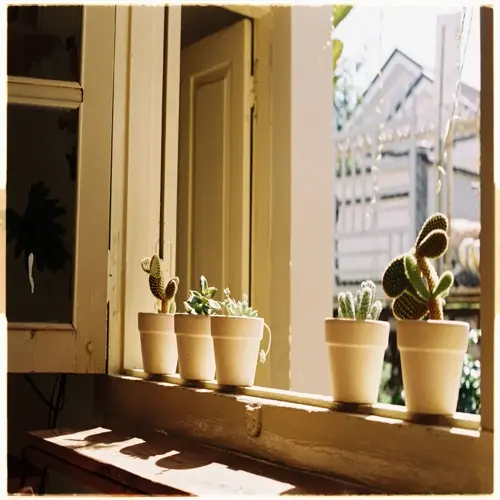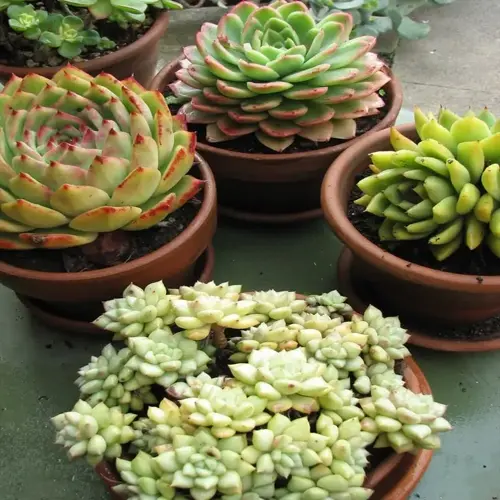

The plants that dislike vermiculite are the ones built to dry out between waterings. Cacti, succulents, and most dry-loving plants want their roots to gulp water fast and then sit in air. Vermiculite works the other way. It soaks up water like a sponge and holds it close to the roots, and that is the one thing these plants try to dodge in the wild. If you grow them, you want a mix that drains, not one that stores.
I pulled a little jade plant off my basement seed shelf one morning because its pot stayed damp for days. Its lower leaves had gone soft and a bit translucent, almost like they were filling with water. I tipped it out, shook the wet mix off the roots, and replanted it in a gritty perlite blend. Within two weeks the leaves firmed back up and held their shape. The roots wanted air around them, not a water reservoir.
Here is why vermiculite causes you trouble with these plants. It holds steady moisture and feeds it back slowly, so the soil rarely dries all the way out. That steady damp is great for tender seedlings that need a soft, even start. For a drought-tolerant root, the same damp reads as a slow drown. The roots sit wet, they stop taking in air, and then they rot from the bottom up. Vermiculite also shifts soil pH toward the 7.0 to 8.0 range. That pushes your mix neutral to slightly alkaline over time.
That pH shift matters a lot for acid-loving plants. Blueberries want soil down around 4.5 to 5.5, and so do azaleas and rhododendrons. Drop vermiculite into their mix and you nudge the pH the wrong way, which locks up iron and yellows the leaves. So you face a two-sided problem here. There is too much water for the dry crowd, and the wrong pH for the acid crowd, and one product creates both.
Skip vermiculite for cacti, succulents, rosemary, lavender, blueberries, and anything already prone to root rot in wet soil. These roots need air and fast drainage, not a sponge.
Mediterranean herbs sit firmly in this group too. Rosemary and lavender grow on rocky, sun-baked slopes where rain runs straight through the ground. Plant them in a moisture-holding mix and you will see the stems blacken at the base while the roots rot below. Any plant that already struggles with root rot in heavy soil will only get worse once you add vermiculite to the pot.
For all of these plants, build your soil around drainage instead. Perlite, coarse sand, or a bagged cactus mix all drain fast and let air reach the roots between waterings. A good cacti and succulents soil runs mostly grit with just enough organic matter to hold the plant upright. Mix in perlite or sand until water pours through within a few seconds of when you pour it on top. A simple test helps you check the blend. Water the dry pot, count how long the water takes to run out the bottom, and aim for under five seconds.
Pot size and material help your cause too. A wide, shallow pot dries faster than a tall, narrow one, so the roots get air sooner. Terracotta pulls water out through its walls and dries the soil faster than plastic does. Pair a gritty mix with the right pot and you give these roots the dry spells they crave. Then water only when the soil feels dry an inch or two down, never on a fixed schedule.
Watch your plants for the one clear warning sign. Soft, yellowing growth near the base means the soil is staying too wet for too long. Catch it early and you can repot into a grittier mix before the roots give out, the same fix that saved my jade. Match your soil to the plant, and these dry-loving growers reward you with firm leaves and steady, healthy growth.
Read the full article: Vermiculite Soil: A Complete Garden Guide