
Seedlings and moisture-loving plants benefit most from vermiculite. The plants that need vermiculite have tender roots that hate to dry out. Think young vegetable and flower starts, ferns, and tropical houseplants. This light mineral holds water like a sponge and feeds it back slow. Your soil stays evenly damp for days instead of swinging from soaked to bone dry.
I'm sowing tomato and pepper seeds in late winter on the basement shelf under the grow lights. I press them into trays packed with vermiculite. I water once and walk away for two days. The surface still feels cool and moist when I check it. Within a week the trays show thick, even rows of sprouts. Every cell pushes up at almost the same time. The peppers come up strong, and they are usually slow and patchy.
That steady dampness is the whole point. Vermiculite acts like a moisture buffer. It soaks up water during a soak and releases it back to roots between waterings. It also grabs and stores nutrients through its high cation exchange capacity, a measured 105 to 174 meq per 100 grams. So it holds onto food like potassium, calcium, and ammonium. Then it hands that food back as roots ask for it. Your tender new roots never get the dry shock that stalls or kills them.
This is why vermiculite shines as a seed starting medium. It keeps your seed zone damp enough for steady germination. You skip the wild dry-out cycles that bare potting soil goes through. Cuttings rooting in trays gain the same edge. A young stem with no roots yet cannot chase water. So it leans on the mix staying moist near the cut. Vermiculite gives it that buffer while fresh roots form.
Vegetable and Flower Seedlings
- Why it helps: Even moisture keeps germination uniform, so a tray sprouts in one wave instead of a scattered few.
- Best use: Mix roughly equal parts vermiculite into your seed starting blend for the steadiest dampness.
- Watch for: Damping-off drops when the surface stays evenly moist rather than soggy or crusty dry.
Ferns and Tropical Houseplants
- Why it helps: These moisture-loving plants want soil that never fully dries, which vermiculite holds for days.
- Best use: Blend about one-third vermiculite into the potting mix to stretch the time between waterings.
- Watch for: Pair it with good drainage so roots stay damp but not waterlogged in low light.
Plants in Sandy, Fast-Draining Soil
- Why it helps: Sand drains so fast that water runs straight through, and vermiculite slows that loss down.
- Best use: Work it into the root zone to lift water retention without turning the bed into mud.
- Watch for: A little goes far in light soil, so add gradually and check how long the bed stays damp.
Plants grown in sandy, fast-draining soil also turn a corner with vermiculite. Sand lets water race through before roots can drink. The mineral slows that drain, so your bed holds onto each watering. The same fix helps containers that dry out by midday in summer heat. You water less often. Your plants ride through hot spells without wilting between drinks.
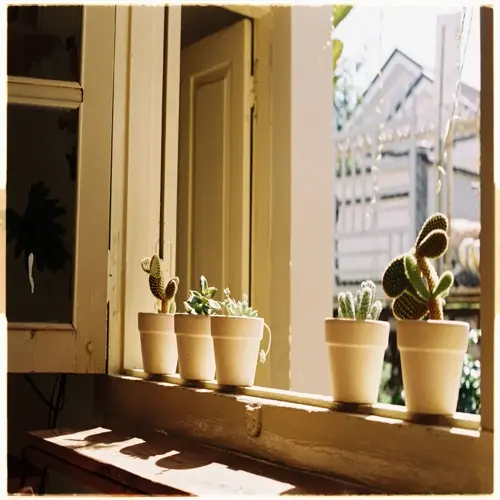
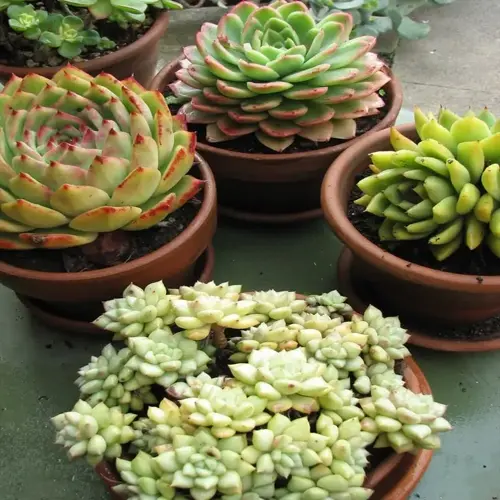
Not every plant wants this, though. Skip the heavy doses for cacti, succulents, lavender, and herbs that rot in damp soil. These like to dry out fully between waterings. A moisture-holding mineral works against them. Reach for perlite there instead. It adds air and drainage without storing water. Match the amendment to what your plant actually wants.
Here is the simple rule to follow. Use about equal parts vermiculite for starting seeds and rooting cuttings. Drop to roughly one-third in general potting mixes. Dial it way back for anything that likes drier ground. Get that ratio right and your seedlings, ferns, and thirsty plants stay evenly watered. You also do far less fuss.
Read the full article: Vermiculite Soil: A Complete Garden Guide